Opening
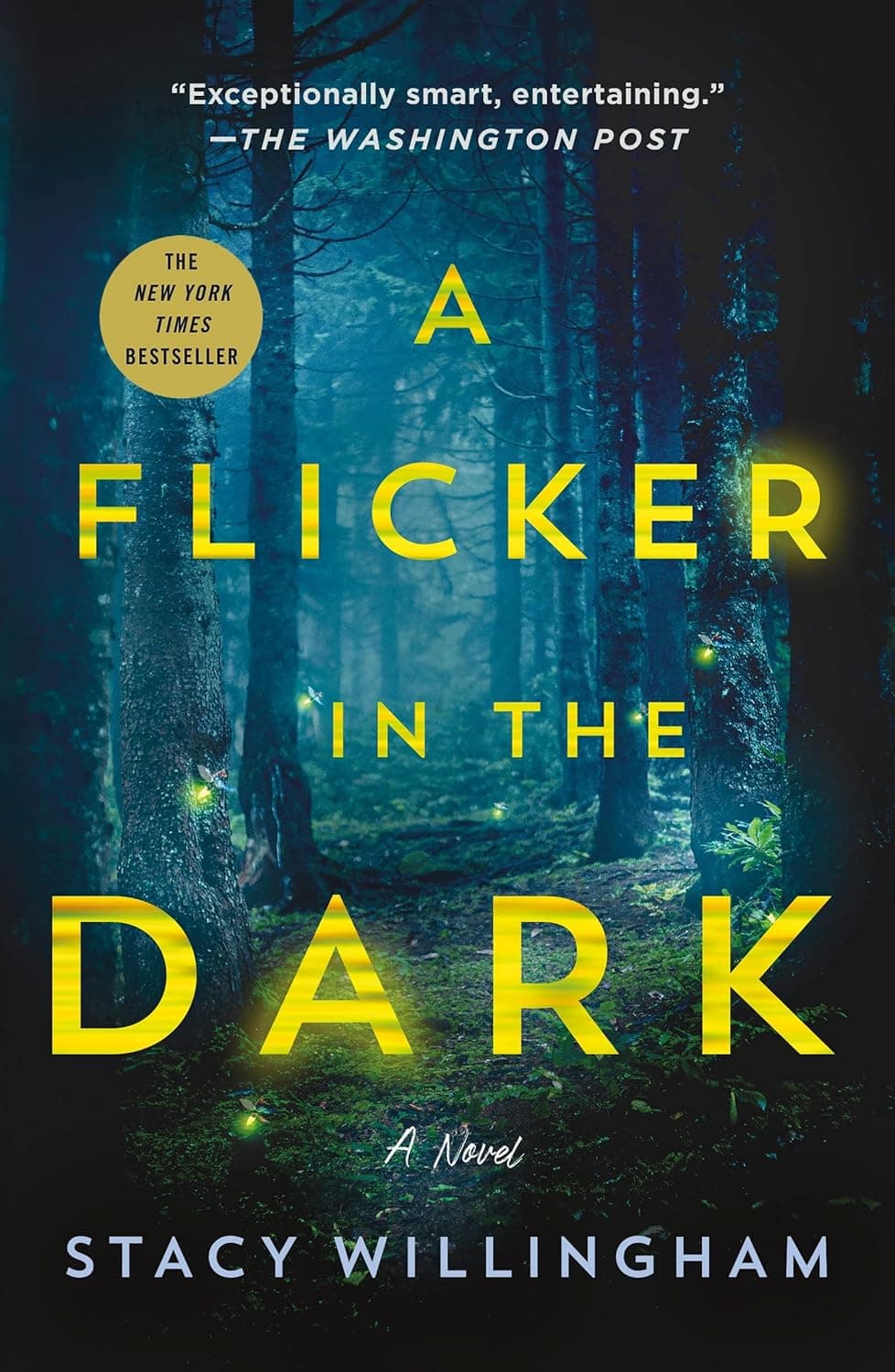
A weekend meant for celebration turns into a spiral of doubt as Chloe Davis wakes from an obliterating hangover, her perfect fiancé, Daniel Briggs, hovering with breakfast and reassurances. When a local teenager goes missing, the past roars back, forcing Chloe to confront the crimes that destroyed her family—and the terrifying possibility that history is repeating itself.
What Happens
Chapter 6
Chloe wakes to throbbing pain and a foggy memory of her own engagement party after mixing wine and Xanax. Daniel plays the role of the ideal partner—coffee, eggs, gentle jokes—before reminding her he’s leaving for a pharmaceutical sales conference in New Orleans. She pretends she remembered, masking the lapse and telegraphing the novel’s fixation on Memory, Paranoia, and Unreliable Narration.
Daniel asks about the tense exchange he witnessed between Chloe and her brother, Cooper Davis. Chloe brushes it off: Cooper is protective and worries Daniel might not be marrying her for the “right reasons.” The remark unsettles Daniel, hairline fractures in their seamless romance. As he packs to leave, Chloe imagines their July wedding on a sprawling farm—a setting that evokes childhood and her father, Richard Davis. The date aligns with the twentieth anniversary of the first disappearances, a grim echo that underscores The Lingering Trauma of the Past.
Chapter 7
Once Daniel’s gone, the silence and last night’s mess close in. Chloe fights the urge to raid the stock at her psychology practice—the pills she illicitly accessed by writing a prescription in Daniel’s name. She resists and reassesses why she became a therapist: to decode her own fear and help others survive theirs. After Richard’s arrest, her and Cooper’s anxieties diverged; she became hyper-vigilant, he retreated.
Wedding emails pile up until one from the planner slices deep: Who will walk her down the aisle? Shame and longing surge, the push-pull at the center of Family Secrets and Dysfunctional Loyalty. She flips on the TV and freezes—breaking news reports that a fifteen-year-old from Baton Rouge, Aubrey Gravino, has been missing for three days. The details mirror the crimes from Chloe’s childhood: a girl walking home alone, vanishing without a trace. As Aubrey’s parents plead on camera, Chloe is transported back to the summer that detonated her life.
Chapter 8
Aubrey’s case pulls Chloe into memory. She thinks of the first victim, Lena Rhodes, not as a poster but as a magnetic, provocative fifteen-year-old everyone watched. Press conferences blur together in her mind: stoic mothers focusing on the present, fathers buckling under the weight of failure—like Lena’s father, Bert Rhodes.
Chloe relives the night police lights washed over her house and her father sat eerily calm in his recliner. He told her and Cooper, “Be good,” as officers led him away in cuffs. On the news, he passed through a sea of signs branding him a “Monster,” the image searing into Chloe’s understanding of The Nature of Evil and Monstrosity.
The ultimate betrayal snaps into focus: the man who taught her to fear the dark is the very predator the town hunted. That revelation anchors the book’s obsession with Deception and Appearance vs. Reality—evil hidden within the ordinary.
Chapter 9
Claustrophobic in her house and her thoughts, Chloe drives aimlessly, practicing her own coping strategies: Aubrey’s disappearance is not about you. She reframes her pill use as a “lifeline,” the only way to keep panic corralled—even as she admits the prescriptions are illegal, heightening the sense that her perspective can’t be fully trusted.
Compelled by dread and curiosity, she goes to Cypress Cemetery, the last place Aubrey was seen. Volunteers sweep the grounds. Chloe slips into the search line, memories of fruitless hunts for her father’s victims flooding back—no bodies, only absence.
A woman yelps that she’s found something. Chloe gets there first and lifts a small pearl-and-diamond earring from the dirt. A cop scolds her for contaminating evidence as the woman unfolds Aubrey’s missing poster. The earring matches the one in the photo. The past feels present again.
Chapter 10
Flashback to May 1999, Breaux Bridge Crawfish Festival. Twelve-year-old Chloe tags along with fifteen-year-old Cooper and collides with Lena—confident, alluring, flaunting a glowing firefly belly-button ring. Lena hands over a Sprite bottle spiked with vodka; Chloe gulps and gets drunk for the first time, dazzled and disoriented.
Across the fairgrounds, Chloe spots her father staring at Lena, who has lifted her shirt to show the ring. His look chills her; Lena waves; he turns away. Later, Cooper warns Chloe not to be like Lena. Chloe can’t help it—Lena embodies dangerous freedom.
Four months later, after the arrest, Chloe rifles through Richard’s closet and finds it: Lena’s distinctive glow-in-the-dark firefly ring. Certainty slams into her. Her father is guilty.
Character Development
Chloe’s internal fractures surface as the present-day case revives the summer that defined her. The line between coping and self-sabotage blurs, and her professional training collides with personal terror.
- Chloe Davis: Self-medicates to manage anxiety, lies about memory gaps, and frames drugs as a “lifeline.” The cemetery scene reveals impulsivity and obsession. The flashback to finding Lena’s ring cements the origin of Chloe’s certainty—and her wound.
- Daniel Briggs: Attentive, charming, and often away for work. Cooper’s comment about “right reasons” shakes him, hinting at insecurities beneath the polished surface.
- Richard Davis: A chilling paradox—strict protector in public, predator in secret. His calm during arrest and fixation on Lena at the festival foreshadow his guilt.
- Lena Rhodes: More than a victim; she’s vivid and irresistible, a symbol of rebellious allure whose firefly ring becomes the story’s most damning artifact.
Themes & Symbols
The new disappearance detonates the dormant past. Trauma isn’t buried; it waits. Chloe’s July wedding on the murders’ anniversary, the farm that mirrors her childhood home, and the TV pressers echoing those from two decades earlier show how the past stalks the present. Her self-medication and memory gaps foreground the instability of perception; we inhabit a mind that questions itself as much as it questions others.
Deception defines every layer. A father who teaches fear of the dark also is the darkness. A fiancé appears flawless yet flinches at doubts. A girl like Lena projects brazen confidence while masking loneliness. Objects—Aubrey’s earring, Lena’s firefly ring—become conduits that stitch two timelines together, turning suspicion into narrative fuel.
- The Firefly Belly-Button Ring: First a beacon of Lena’s freedom, then the physical proof of Richard’s guilt, and the artifact that ends Chloe’s innocence.
- The Earring: A present-day echo of the firefly ring, linking Aubrey’s case to the old murders and suggesting a copycat or recurrence.
- Press Conferences: Public theater of grief that contrasts stoic mothers with collapsing fathers, exposing the pressures of blame and protection.
Key Quotes
“Be good.”
Richard’s parting words to his children sound paternal and benign, yet land as a calculated manipulation. The line becomes a chilling thesis for his duplicity, a final mask worn as he’s unmasked.
“Monster”
The word scrawled across signs at Richard’s perp walk crystallizes the town’s judgment and Chloe’s dawning realization. It externalizes the evil she’s only beginning to recognize within her home.
marrying her for the “right reasons”
Cooper’s suspicion, repeated by Chloe to Daniel, punctures the couple’s polished narrative. The phrase plants doubt about motives and primes the theme of appearances versus reality within Chloe’s closest relationship.
Why This Matters and Section Significance
These chapters move the story from memory to momentum. Aubrey Gravino’s disappearance welds past and present, forcing Chloe into action and sharpening the novel’s psychological stakes. The discovery of the earring creates a tangible bridge to the old crimes, while the firefly ring flashback delivers the emotional core: the precise moment Chloe’s world breaks and her certainty forms. Together, these threads set up a high-stakes investigation powered by grief, doubt, and the haunting question of whether monsters ever really disappear.