Opening
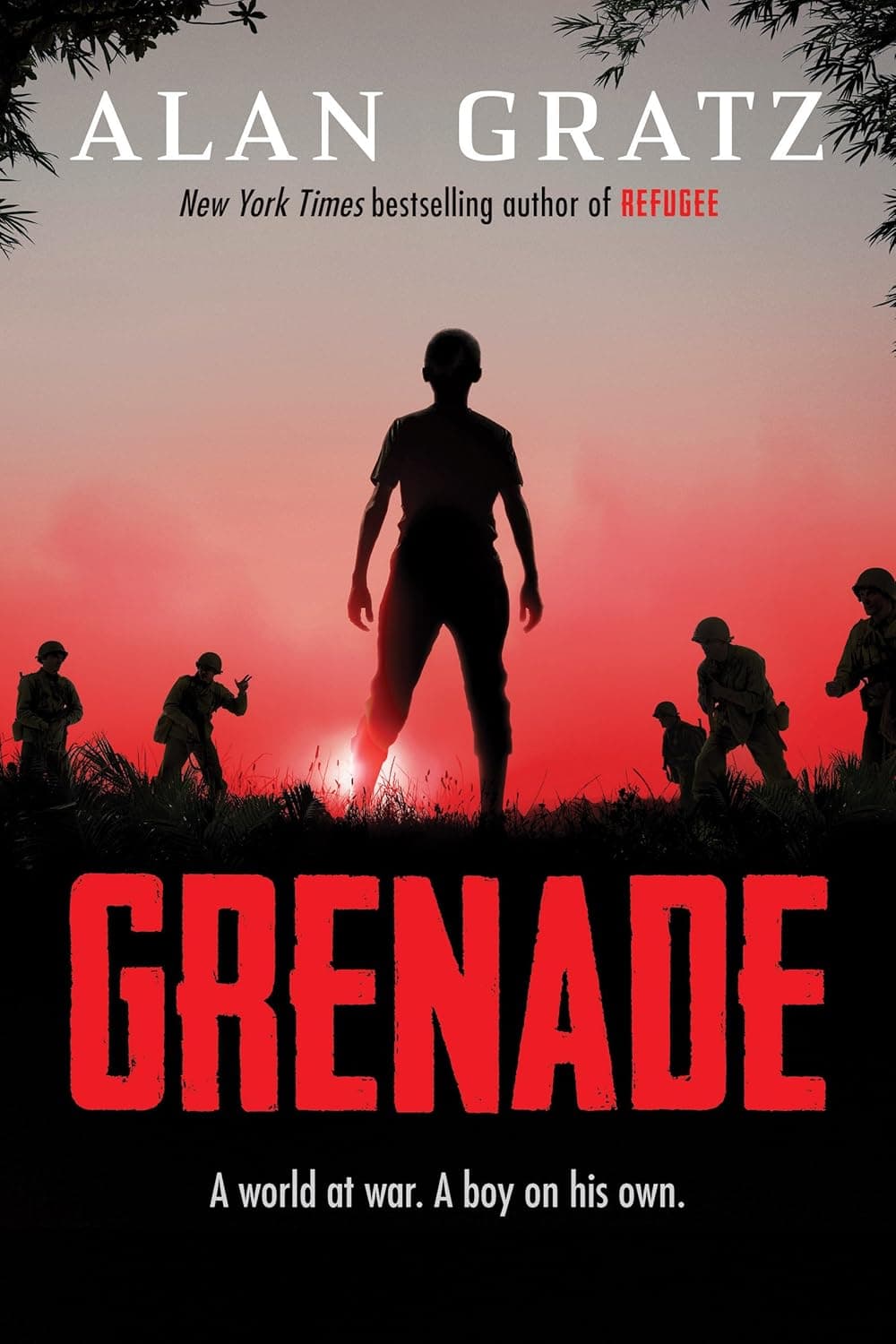
In Chapters 11–15, the story narrows to two haunted battlegrounds: the Okinawan family tombs where Hideki Kaneshiro clings to duty and discovers devastating truths, and the same tombs where Ray Majors fights to keep his humanity. As propaganda cracks and accidents maim leaders, both boys face choices that redefine courage, loyalty, and what it means to survive.
What Happens
Chapter 11: How to Surrender
Hideki, fleeing the massacre at his school, trips over the body of his principal, Mr. Kojima, still clutching a sack of the Emperor’s photographs. Believing this “sacred duty” can cleanse his shame, Hideki takes the sack—and the food inside it—an act that shows how deeply he’s absorbed The Nature of Courage and Fear. When an American plane releases thousands of leaflets, he’s stunned to find they’re in Japanese, giving clear instructions for safe surrender.
He reads them as a personal insult and a trick, proof—he thinks—of enemy cunning. The leaflets expose the split between what he’s been taught and what he sees, sharpening the pull of Propaganda and the Perception of the Enemy. As artillery booms, Hideki ducks into his family tomb—the haka—a sanctuary tied to tradition and memory. He recalls his sister, Kimiko Kaneshiro, telling him courage means acting despite fear. In the darkness he calls out—and hears a weak reply. His father, Otō, is alive inside, badly wounded.
Chapter 12: Barbecue
Ray crawls into a tomb his squad just grenaded and finds the worst: an Okinawan family slaughtered among ancestral urns. The horror locks in the reality of The Horrors and Dehumanization of War. He fears the numbness Big John Barboza warned him about, so he draws a line—he asks Sergeant Meredith to switch to smoke grenades for tombs to spare civilians.
Big John counters: the last tomb housed a machine-gun nest. Meredith weighs both sides and backs Ray, choosing the harder, more humane path. When a private calls Ray by his cursed last name, “Majors,” Meredith slams the man against the wall and orders the nickname taboo enforced. Ray senses the squad’s resentment, but he holds to his choice. Then disaster strikes from nowhere: a grenade on Meredith’s belt arms itself.
Chapter 13: Sute-ishi
In the haka, Hideki finds Otō shredded by shrapnel. Otō claims a doctor is coming and, to pass time, asks Hideki to clean the neglected tomb. Hideki sweeps, offers rice, and keeps faith with custom—if you don’t tend the tomb, misfortune follows. Only then does Otō tell the truth: Hideki’s mother and little brother died when an evacuation ship was torpedoed by an American submarine. The Japanese army hid it to protect morale.
Otō keeps going, dismantling the propaganda he once served. Japan can’t win Okinawa; the islanders are being used as a sute-ishi—a sacrificial pawn—to stall the American push toward the mainland. The battleship Yamato is gone. No reinforcements are coming. Hideki grasps another truth: no doctor is coming either. A shadow fills the doorway—a Japanese soldier appears.
Chapter 14: The Golden Ticket
Meredith reacts instantly. He yanks the pouch of grenades off his belt and hurls it away from his men. The blast saves the squad but slams him into stone, leaving him gravely injured. Big John hoists him and runs for the American lines. As the squad waits, word arrives that President Franklin D. Roosevelt is dead—historic news that still feels distant compared to losing their sergeant.
A replacement, Private Zimmer, breaks the tension with a cruel joke: he tosses a deactivated grenade into the group. Big John beats him bloody for it. Later, Big John returns with news—Meredith survives and is being shipped to a hospital in Hawaii, the soldiers’ “Golden Ticket” out of the fighting. In his absence, Big John is promoted to squad leader. His warning is blunt: they head to the front at dawn, and the worst is coming.
Chapter 15: Dōjin
The soldier entering the Kaneshiro tomb—Private Shinohara—is shell-shocked and starving. He devours the rice meant for Hideki’s ancestors and declares the haka a Japanese Army base, shoving urns aside to fortify it. When Hideki protests, Shinohara draws his sword and screams that Hideki is a “dojin,” blaming Okinawans for the invasion. The insult lays bare Identity, Heritage, and Colonialism: the empire treats Okinawans as expendable subjects.
Driven from their sanctuary, Hideki helps Otō to a banyan tree. There, Otō confesses he was wounded while running away, not in heroic combat, and that their ancestor Shigetomo was truly brave, not a coward as legend claimed. He makes Hideki promise to abandon the war and the Emperor’s photos and to find Kimiko. After Otō dies, Hideki’s mission changes forever—from serving an empire to saving his sister.
Key Events
- Hideki reunites with Otō in the family haka and learns his mother and brother are dead.
- Ray’s squad kills civilians in a tomb, prompting him to push for smoke grenades over fragmentation.
- Otō reveals Okinawa is being sacrificed as a sute-ishi; no reinforcements are coming.
- Sergeant Meredith is critically wounded by his own grenades and evacuated to Hawaii.
- Big John is promoted to squad leader as the unit moves to the front line.
- Private Shinohara seizes the Kaneshiro tomb and expels Hideki and Otō.
- Otō dies after extracting Hideki’s promise to find Kimiko.
Character Development
Both boys confront a new definition of bravery: not glory in battle, but the courage to protect the living.
- Hideki Kaneshiro: Begins clinging to imperial duty by guarding the Emperor’s photos; Otō’s revelations and death strip away propaganda and replace it with a family-first mission to find Kimiko.
- Ray Majors: Refuses desensitization; persuades leadership to spare civilians even at greater risk to the squad, accepting isolation to uphold his moral line.
- Otō (Hideki’s Father): Rejects wartime myths in his final hours; admits fear, exposes government lies, and centers his children’s survival over national loyalty.
- Big John Barboza: Combines toughness with care—rescuing Meredith, punishing cruelty, and accepting new responsibility as sergeant.
Themes & Symbols
War’s ugliest truths surface in tombs—the collision of home and battlefield. The Horrors and Dehumanization of War appear in civilian deaths, a leader felled by accident, and soldiers driven to madness. Otō’s confession punctures the narrative of glory; Okinawa is collateral, and lives are reduced to strategy.
Gratz threads Propaganda and the Perception of the Enemy through Hideki’s fury at surrender leaflets and through the army’s cover-ups, while The Nature of Courage and Fear shifts from battlefield valor to truth-telling and protection. Identity, Heritage, and Colonialism cuts deepest when Shinohara desecrates the haka and slurs Hideki, proving the empire sees Okinawans as subjects, not compatriots.
Symbols:
- The haka (family tomb): A sanctuary of ancestry and, simultaneously, a frontline—its desecration by both sides mirrors the destruction of Okinawan culture.
- The grenade: A symbol of indiscriminate, chaotic violence—killing civilians, maiming allies, and weaponized even as a joke.
Key Quotes
“...about doing what you have to do, even though you’re scared.” Kimiko’s definition of courage reframes Hideki’s path. It shifts bravery from patriotic spectacle to necessary action born of fear and love, preparing him to choose family over ideology.
“Call him ‘Ray’ or ‘Barbecue,’ but never ‘Majors.’” Meredith’s order turns superstition into squad law, revealing how soldiers grasp for control in a world of random death. It also binds the unit’s identity while isolating Ray for his stance.
“Golden Ticket” The soldiers’ slang for evacuation exposes the fantasy of escape inside a meat grinder. It underscores the randomness of survival and how injury becomes a perverse blessing.
“Sute-ishi”—a “sacrificial pawn” This Go metaphor recasts Okinawa’s entire campaign as calculated sacrifice. It dismantles heroic narratives and centers the expendability forced onto civilians and conscripts.
“Dojin” Shinohara’s slur crystallizes the colonial hierarchy within Japan’s war machine. The insult, hurled inside a desecrated tomb, fuses cultural violation with dehumanization.
Why This Matters and Section Significance
These chapters reset the stakes. Hideki’s allegiance to empire collapses under Otō’s truths and his father’s death, redirecting him toward a personal rescue mission that will drive the rest of his arc. Ray’s insistence on humane tactics marks him as the squad’s conscience just as leadership shifts to Big John and the fighting intensifies.
By pairing scenes in the haka from both perspectives, the book forces the reader to see home as battlefield and civilians as targets. The irony—Meredith maimed by his own gear, Hideki expelled by his own side—strips war of glory and reveals it as chaos, cruelty, and hard choices about who we choose to protect.