Opening
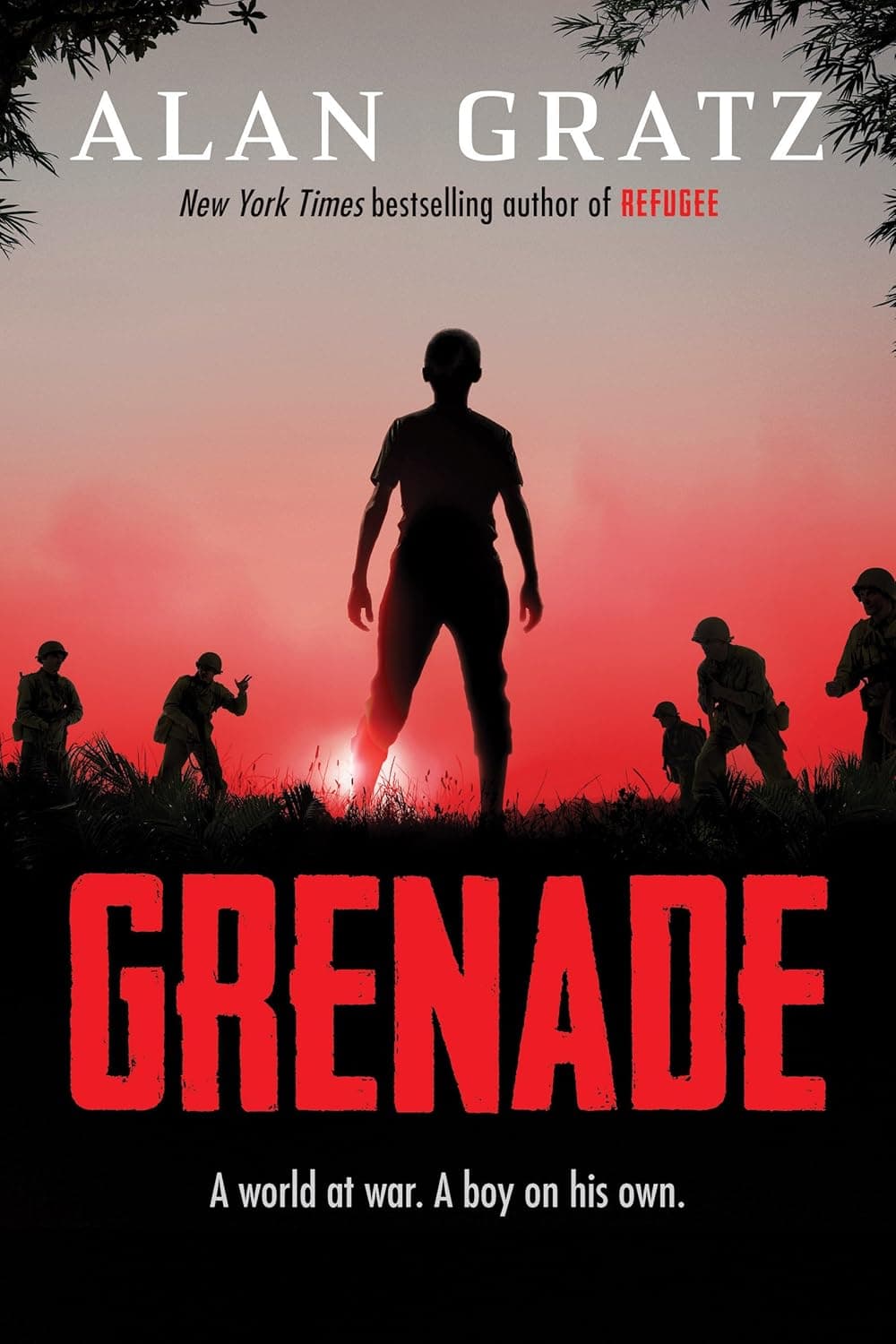
In the chaos of the Okinawan campaign, Hideki Kaneshiro stumbles from hunted child to self-willed survivor. A fetid cave, a broken Japanese private, a spirit that won’t leave him, and an American field hospital force him to question everything—his enemies, his identity, and the stories he’s been taught to believe.
What Happens
Chapter 26: The Cave
Hideki, rain-soaked and delirious, drinks from a muddy rivulet and clutches his last grenade when a shadow approaches. The figure turns out to be Yoshio, the older Okinawan bully from school—now skeletal, tender, and relieved to find Hideki alive. War has aged him years; he explains he’s hauling water to his mother and sister nearby, and he ushers Hideki into their cave.
Inside, the stench of sickness and fear chokes the air. Refugees crowd the dark, and among them squats a Japanese soldier, Private Maeda—wild-eyed, starving, and certain Americans crawl everywhere. He bars Hideki from leaving, muttering that civilians who speak or act “wrong” are spies. As Hideki studies Yoshio’s unexpected gentleness and Maeda’s unraveling, the chapter exposes the The Horrors and Dehumanization of War: war humanizes the bully and destroys the soldier. Exhausted but clear-eyed, Hideki decides he must escape and volunteers for the next water run, gambling that Maeda will send an Okinawan boy to his death without a second thought.
Chapter 27: The American’s Mabui
Fever drags Hideki into a nightmare: a red-haired kijimunaa hunts him back to the pine where he killed the American, Ray Majors. He wakes screaming. Maeda snaps, hand on his weapon, and only a frail Okinawan woman calms the air, speaking to Hideki in the island dialect. Hideki notices her indigo hajichi tattoos—customs banned by Japan—signs of endurance and Identity, Heritage, and Colonialism.
Confessing that he killed an American and feels haunted, Hideki expects talk of vengeful ghosts. Instead, the woman names it: he carries the soldier’s mabui, a soul shaken loose by violent death and clinging to him. He must find a yuta—his sister, Kimiko Kaneshiro, is training as one—to send the spirit on. Desperate, he tries the ritual himself, lighting one of Ray’s cigarettes as incense and begging forgiveness, admitting his fear turned him into something he doesn’t recognize.
Chapter 28: Spies and Traitors
Smoke tips Maeda off. He storms over, finds the American cigarette pack, and brands Hideki a spy. The old woman defends him in Okinawan, which only convicts them further in Maeda’s mind. When he sees her hajichi, he declares them both traitors and drags them toward the entrance to execute them while the refugees, Yoshio included, watch helplessly.
Cornered, Hideki yanks the pin on his last grenade and raises it high. He isn’t bluffing—if Maeda forces his hand, everyone dies. The sight shocks the private into releasing them. In an instant, Hideki flips the weapon’s meaning: once a tool of suicidal sacrifice, now a shield for life and a jolt of defiant courage, crystallizing The Nature of Courage and Fear.
Chapter 29: The Escape
Grenade still held ready, Hideki tries to reason with Maeda, naming the Blood and Iron Student Corps. The private, trapped in his own terror, shrieks that anyone speaking Okinawan is a spy. Hideki’s voice turns quiet and cutting: “I’ve killed a man... Have you?” The question strips Maeda’s bluster and shows the difference between fear and experience.
Hideki urges the refugees to flee; they won’t. So he orders Maeda to protect them, snatches the soldier’s rifle, and bolts into the rain. Outside, he hurls the weapon into a ravine, refusing the identity it represents. He crawls under the wreckage of a tank and, starving, risks the tins from Ray’s pack. The crackers and beef stew are clean and delicious—no poison, no traps—splintering Propaganda and the Perception of the Enemy. Relief floods him as he saves the rest and drifts into fevered sleep; the kijimunaa returns.
Chapter 30: The Enemy Camp
Hideki wakes in an American medical tent, dazed, convinced for a moment that Ray’s ghost leans over him. The image becomes a Japanese-speaking American doctor, who explains Hideki’s concussion and shrapnel wound—injuries that can cause visions and voices. The explanation doesn’t banish the mabui; it complicates it, opening a space where the spiritual and the psychological coexist.
The doctor binds his head and gives him pills. Scared they’ll learn he killed an American, Hideki lies about his wounds and watches as nurses tend to Okinawan civilians with kindness, not cruelty. The scene contradicts everything he’s been told, but the urgency to find Kimiko outweighs safety. He pockets a bottle of pills and slips back into the night.
Character Development
Hideki steps across a threshold from frightened follower to self-directed survivor. The cave, the ritual, the standoff, and the American tent force him to choose who he is without orders.
- He reframes the grenade from suicide to defense, asserting his will to live and protect others.
- He rejects the soldier’s identity by stealing Maeda’s rifle only to discard it.
- He challenges propaganda through taste and experience: American food nourishes; American medics heal.
- He accepts that his haunting can be both mabui and trauma, deepening his resolve to find Kimiko.
Yoshio softens and shoulders family responsibility, proof that suffering can awaken empathy even as it instills fear. Private Maeda embodies a mind broken by combat—paranoid, colonizing, and dangerous to the very civilians he claims to defend.
Themes & Symbols
War’s corrosive power sits at the center. The cave collapses social roles: a bully becomes a caretaker while a trained soldier becomes a threat. This reversal clarifies The Horrors and Dehumanization of War—not glory but moral rot and psychic collapse. In that darkness, The Nature of Courage and Fear shifts from slogans about dying for the Emperor to the quiet will to live, protect, and tell the truth even while shaking.
The old woman’s language and hajichi shine a light on Identity, Heritage, and Colonialism. Maeda’s rage at Okinawan speech and tattoos reveals colonial prejudice: he polices culture as treason. Meanwhile, firsthand encounters overturn Propaganda and the Perception of the Enemy. Food that isn’t poisoned and doctors who heal open a path beyond indoctrination.
- Symbols:
- Mabui: The attached soul marks the weight of killing—guilt and grief that demand ritual and reckoning.
- Hajichi tattoos: Banned marks that still speak, they assert cultural survival under occupation.
- The grenade: A retooled meaning—from imperial sacrifice to personal agency and protection.
- The discarded rifle: A physical rejection of militarized identity.
Key Quotes
“Let us go, or I’ll blow us all up!”
Hideki turns an imperial weapon into a shield, redefining courage as the refusal to be sacrificed. The threat protects the powerless and exposes Maeda’s bluster as fear.
“I’ve killed a man... Have you?”
This quiet question punctures Maeda’s paranoia. It separates real experience from performative loyalty and forces the private to face his own terror.
“Americans are everywhere!”
Maeda’s mantra reveals the echo chamber of fear that governs him. It justifies violence against civilians and shows how paranoia replaces strategy when an army collapses.
“Anyone who speaks Okinawan is a spy!”
By equating language with treason, Maeda enacts colonial violence in miniature—erasing identity to enforce control—and pushes Hideki toward protecting culture as well as lives.
Why This Matters and Section Significance
These chapters pivot the novel from indoctrination to independence. Hideki breaks from the Japanese military not with speeches but with choices: saving a civilian, refusing a rifle, trusting his senses over propaganda, and seeking healing on Okinawan terms as well as medical ones. The mabui deepens his arc, marrying spiritual responsibility to psychological recovery. All of it sharpens his mission—find Kimiko, reclaim his identity—and sets the stage for a survival defined not by orders or empires, but by the fragile, stubborn human will to live and to do right.