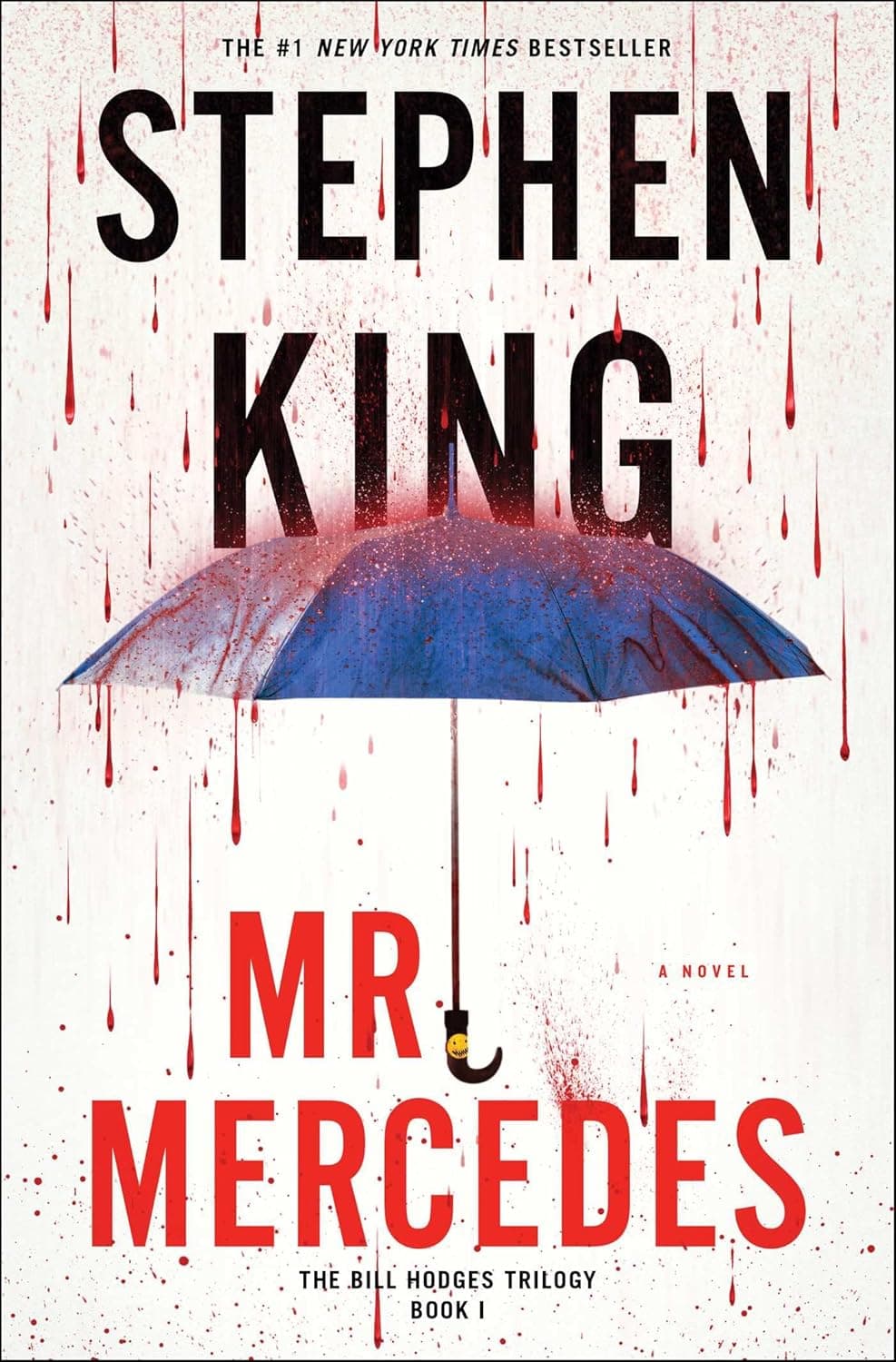
Opening
A single crack in Brady Hartsfield’s icy control collides with a surge of life for retired detective K. William Hodges, who crosses a line with Janelle "Janey" Patterson from client to lover. Intimacy wakes Hodges up; exposure rattles Brady. The cat-and-mouse turns personal, and both men double down.
What Happens
Chapter 51: Brady’s Misstep
On his ice cream route, Brady gets mouthy attitude from two pre-teens and reflexively flicks one hard on the neck. The boy cries. The act is small but dangerous: it makes Brady memorable, vulnerable to complaint, and—worst of all—proves he’s slipping.
He blames Hodges for knocking him off balance. Control and invisibility are Brady’s armor; this lapse shows the first visible fracture as the pressure from an unseen adversary starts to bend him.
Chapter 52: A New Connection
After visiting Janey’s mother, Hodges nails a tight parallel park outside her building and decides to tell the full truth. He admits he didn’t come for a job; he came out of Guilt and Responsibility over the death of Olivia Trelawney. Janey says she suspected and used his guilt—and that she isn’t sorry.
That honesty breaks through the Loneliness and Isolation that has defined them both. The admission sparks a kiss, then a mutual, eager response that shifts their alliance from professional to unmistakably personal.
Chapter 53: An Unexpected Intimacy
Upstairs, they move straight to the bedroom. The sex is unguarded and affirming. For Hodges, the depressive fog of The Psychological Toll of Retirement clears; the man numbed by afternoon TV and passive thoughts of suicide feels distant, like someone else.
Janey leads with candor and intent. She hasn’t been with a man she liked in years, and she chooses pleasure without hedging. Their shared grief becomes fuel for a living, present-tense bond.
Chapter 54: The Hunter Is Spotted
Agitated, Brady drives the route of his City Center massacre to soothe himself, but the ritual backfires. Passing Olivia Trelawney’s old condo, he sees Hodges’s distinctive blue Toyota Corolla, complete with a “SUPPORT YOUR LOCAL POLICE” bumper sticker. The message is unmistakable: Hodges isn’t just trolling online; he’s in Brady’s world—and with Janey.
Fury replaces ritual. Brady guns it home, knowing the game has turned intimate and territorial. He tells himself, “Something needs to be done.”
Chapter 55: Profiling Evil
That night, Hodges and Janey eat Chinese takeout and drink wine. Janey asks for a profile of Mr. Mercedes; Hodges outlines a young, intelligent loner likely trapped in a warped, codependent—possibly incestuous—relationship with his mother, a portrait of Dysfunctional Family Dynamics. Impulsive, angry, sexually confused—“broken. And evil,” he says, framing the war as Good vs. Evil.
Hodges realizes the killer is probably watching him, which puts Janey and his friend Jerome Robinson at risk. Leaning into Vigilantism and Justice Outside the Law, he hatches a taunt: use the fresh arrest of “Turnpike Joe,” a case solved by former partner Pete Huntley, to imply on “Under Debbie’s Blue Umbrella” that he’s closing in. As the news confirms the arrest onscreen, Janey sees the danger rising—the chase is about to turn direct.
Key Events
- Brady loses control and strikes a boy, risking exposure.
- Hodges and Janey move from professional allies to lovers.
- Brady spots Hodges’s Corolla at Olivia’s former condo and realizes the hunt is personal.
- Hodges profiles Mr. Mercedes as a young, broken loner bound to his mother.
- Hodges plans to bait the killer online using “Turnpike Joe” to suggest imminent capture.
Character Development
Hodges and Janey choose vulnerability over isolation, transforming their dynamic and sharpening Hodges’s commitment. Brady, rattled, shifts from calculated predator to reactive threat.
- K. William Hodges: Reanimates with purpose and desire; accepts risk; takes the offensive with psychological warfare.
- Janelle “Janey” Patterson: Acts with clear-eyed agency; leverages truth and intimacy; becomes Hodges’s partner emotionally and strategically.
- Brady Hartsfield: Facade fissures; anger personalizes the conflict; impulsivity edges him toward reckless violence.
Themes & Symbols
As Hodges and Janey reject [Loneliness and Isolation], their connection becomes both strength and liability, creating new targets for a predator who feeds on solitude and secrecy. Hodges’s profile frames the conflict as [Good vs. Evil], but his embrace of [Vigilantism and Justice Outside the Law] complicates the moral lines, underscoring how far he’s willing to go when institutions fail.
Symbols concentrate the clash of worlds:
- Cars: Brady’s ritual drive tries to reclaim mastery; Hodges’s blue Corolla—ordinary, lawful—parks like a flag in Brady’s territory, puncturing his myth of dominance.
- “SUPPORT YOUR LOCAL POLICE” bumper sticker: A banal emblem of order that becomes a taunt; to Brady, it reads as Hodges’s signature on his doorstep.
Key Quotes
“Something needs to be done.” This vow marks Brady’s turn from ritualized control to urgent retaliation. The line reduces his grandiose self-image to a cornered animal’s resolve, signaling imminent escalation.
“Broken. And evil.” Hodges’s distillation strips away the killer’s mystique. By naming Brady’s emptiness and malice, he claims moral ground and sets terms for a confrontation that’s as psychological as it is physical.
She “isn’t sorry” for using his guilt. Janey’s unapologetic admission reframes Guilt and Responsibility as a catalyst for truth rather than manipulation. Her agency cements an equal partnership and opens the door to genuine intimacy.
Why This Matters and Section Significance
- Personal stakes ignite: Hodges’s bond with Janey turns the hunt into a protection mission; she becomes a likely target.
- The antagonist loses his mask—to himself: Brady recognizes he’s no longer in control, redirecting his rage toward Hodges specifically.
- Danger escalates: Hodges’s baiting strategy invites a counterstrike; Brady’s fraying restraint makes violence more likely. The mental chess match is poised to break into open conflict.