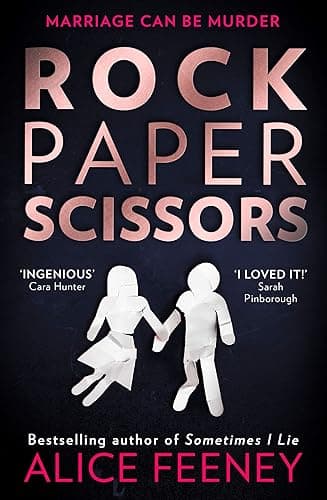
These chapters plunge into the depths of Adam and Amelia's troubled marriage, revealing the traumas and secrets that haunt them. A vivid nightmare, a hidden letter, and a mysterious intruder converge to create an atmosphere of suspense and dread, setting the stage for a confrontation with the past.
Chapter 19: Adam
The chapter opens with Adam Wright trapped in a nightmare. He and Amelia Wright are driving through a desolate landscape, the silence amplifying his sense of being trapped in their marriage. The tension is palpable, especially as he recalls her near-fatal action at the bell tower. Suddenly, a woman in a red kimono appears in the road. Amelia accelerates, hitting the woman, and Adam watches in horror as her body flies over the car. The dream is a manifestation of his deepest anxieties, blending present marital strife with a traumatic, surreal memory.
Chapter 20: Amelia
Amelia wakes Adam from his nightmare, which she identifies as a recurring one about "the woman in the red kimono." She attributes it to the night his mother died in a hit-and-run when he was thirteen, the event that triggered his prosopagnosia-related trauma. This introduces the theme of The Inescapable Past. Amelia, ever the caretaker, records the dream in her notebook, hoping to "fix him." She reflects on the reality of Adam's Mother, revealing that the red kimono was what she wore for her many male visitors, highlighting the theme of Truth, Fiction, and Storytelling. Unable to quiet her own thoughts about the "cracks in our relationship," Amelia takes a sleeping pill, only to be startled awake by a noise downstairs.
Chapter 21: Robin
The perspective shifts to Robin, who is watching the chapel from her cottage, feeling the visitors shouldn't be there. She walks through the snow, reflecting on her self-imposed isolation. Reaching the couple's car, she confirms her recognition of Adam. Robin's internal monologue reveals a deep connection to Adam's past, knowing about his mother's death and his nightmares. She believes "the time has come for him to be told the truth," seeing life as a game of chess where some remain pawns. She takes a key and quietly enters the chapel, transforming from a curious neighbor into a character with a deliberate, ominous purpose, exemplifying Secrets and Deception.
Chapter 22: Linen
This chapter is an anniversary letter from Amelia to Adam, dated February 29, 2012, their fourth anniversary, with "linen" as the theme. The letter is a painful account of a day that encapsulates the theme of Marriage and Betrayal. Amelia recounts her heartbreak when Adam missed their fertility clinic appointment to meet with a producer about his screenplay, Rock Paper Scissors. Alone, Amelia receives the news that she is pregnant. When Adam returns, they share a brief, joyous moment as she shows him the ultrasound scan. He gives her a linen cushion stitched with the words, She believed she could, so she did. Their happiness is shattered when Amelia miscarries. The letter ends with Amelia throwing away the cushion and hiding the letter and scan, a secret reminder of their loss and her resentment.
Chapters 23 & 24: Amelia
Back in the present, Amelia hears another noise downstairs. The power is out, and she hears footsteps on the stairs. Terrified, she locks herself in the bathroom, grabbing her razor. The silence is broken by a fist banging on the door and Adam's voice asking if she is okay. Relieved, Amelia opens the door. Adam explains he went downstairs for water, found the pipes frozen and the power out, and assumed the generator failed. He admits he also heard a noise, but he checked the doors and found the chapel secure. Back in bed, their conversation turns serious. Amelia asks if he regrets not having children. Adam responds bleakly:
"Sometimes I’m glad we don’t have kids, because I’m scared that we might have fucked them up... I think maybe our line came to an end for a reason."
They agree to leave in the morning. As Amelia takes another sleeping pill, she notices the grandfather clock has stopped at 8:03—the exact time her watch stopped on the day of her miscarriage. Adam pulls her close, and for a moment, she feels safe.
Key Events
- Adam's Nightmare: A vivid dream reveals a deep-seated trauma related to a woman in a red kimono.
- The Backstory of Adam's Mother: Adam's recurring nightmare stems from witnessing his mother's death in a hit-and-run.
- Robin's Intrusion: Robin secretly enters the chapel, revealing a connection to Adam's past.
- The Anniversary Letter: A letter reveals the couple's painful history with infertility and a devastating miscarriage.
- The Power Outage: The power and water go out, increasing the couple's isolation.
- The Stopped Clock: The grandfather clock stops at the exact time of Amelia's miscarriage, linking past trauma to the present.
Character Development
- Adam Wright: His core trauma is revealed, haunted by guilt over his mother's death and expressing fatalism about having children.
- Amelia Wright: Her character gains depth, revealing a hidden well of resentment and grief underlying their marriage.
- Robin: She transforms from an observer into an active presence with a hidden agenda, likely related to Revenge and Justice.
- Adam's Mother: Though deceased, she is revealed to be more complex and flawed than Adam remembers, challenging Identity and Misperception.
Themes & Symbols
- The Inescapable Past: Adam's nightmares and the anniversary letter show how past traumas continue to haunt the present.
- Secrets and Deception: Amelia's hidden letters and Robin's secret entry into the chapel exemplify the deception within the story.
- Marriage and Betrayal: The anniversary letter explores the betrayal and unspoken resentments within Adam and Amelia's relationship.
- The Woman in the Red Kimono: This figure symbolizes Adam's unresolved grief and guilt, representing the suppressed aspects of his mother.
- The Stopped Clock: The clock stopping at 8:03 connects the present to the moment of Amelia's miscarriage, suggesting time has been frozen by this event.
Significance
These chapters provide the essential backstory that fuels the plot, revealing the specific traumas that underlie Adam and Amelia's marital strife. Robin's evolution shifts the genre from a domestic drama to a psychological thriller, confirming that the external threat is real and connected to the couple's past.
Analysis
Alice Feeney uses literary techniques to build suspense and reveal character.
I have grown fond of writing letters I will never let you read. I find it cathartic. They make me feel better, even though I know it would destroy you if you found them.
The use of the epistolary format in Chapter 22 allows for a raw, unfiltered confession from Amelia, creating powerful dramatic irony. The shifting points of view create layers of suspense, as the reader knows more than the characters. The setting of the isolated, powerless chapel becomes a metaphor for their crumbling marriage, symbolizing the breakdown of their relationship.