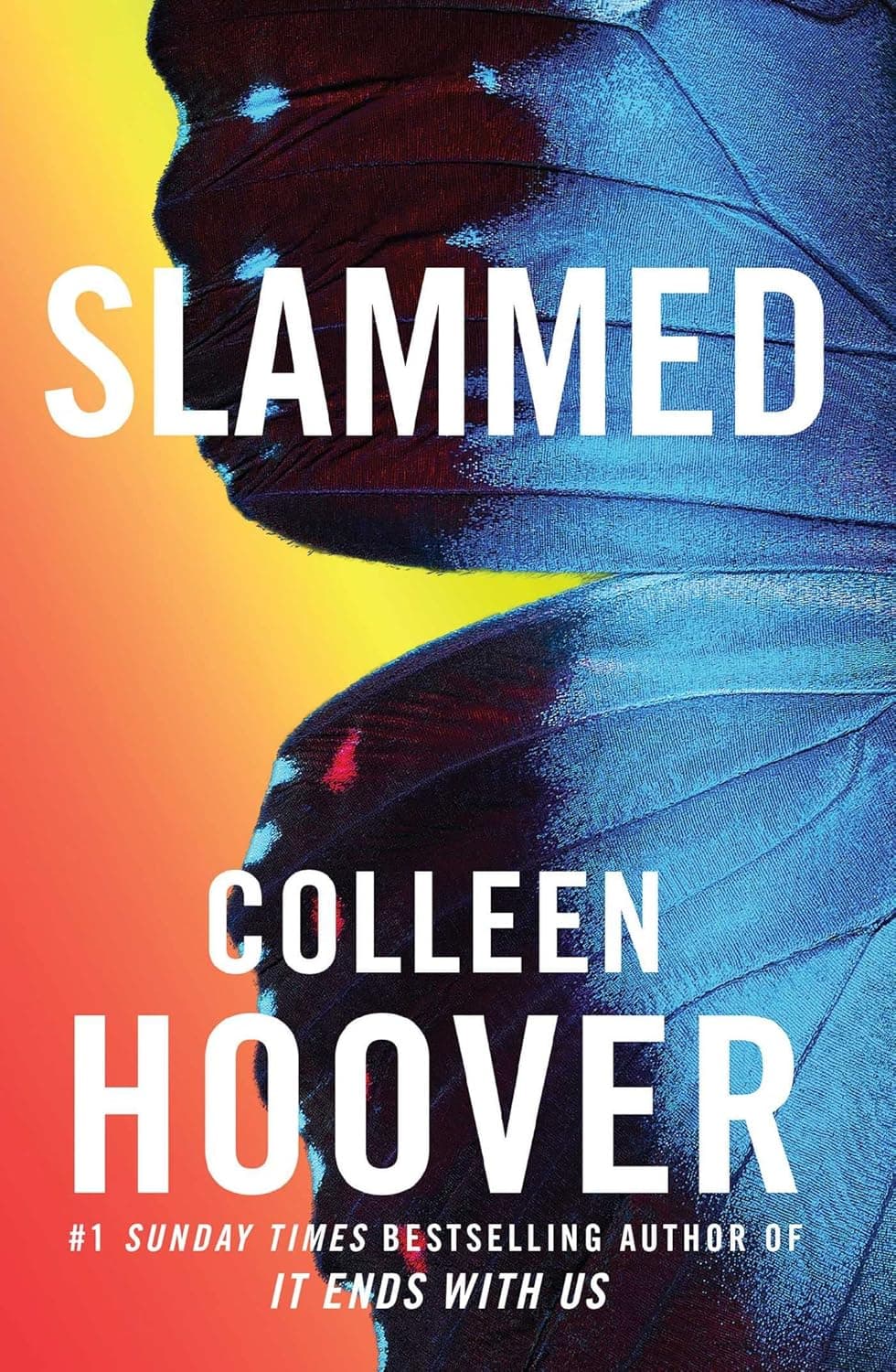
Opening
Grief uproots eighteen-year-old Layken Cohen from Texas to Michigan, where a single weekend ignites hope, love, and then a devastating reveal. A charged connection with next-door neighbor Will Cooper, the raw pulse of slam poetry, and the fragile bonds of family push Lake toward Grief, Loss, and Acceptance—only for a forbidden line to shatter everything she thinks she can have.
What Happens
Chapter 1: My Destination
The Cohens—Layken, her mother Julia Cohen, and nine-year-old Kel Cohen—leave Texas six months after Layken’s father dies. During a final walk-through of their empty house, Lake finds a purple hair clip that stirs a tender memory: her dad’s “magic” way of fixing the unfixable. It’s a talisman she clings to as they drive north.
Their new home sits in a small Michigan cul-de-sac where everything feels colder and smaller. Kel darts outside and instantly bonds with a neighbor boy, Caulder Cooper. Lake chases them, joking as a zombie, and meets Caulder’s older brother, Will. He’s warm, funny, and disarmingly attentive. He offers to help unload the U-Haul—an offer she wishes she needed. Lake’s cynicism rubs against the spark between them, hinting at a life beyond survival.
Chapter 2: Gimmeakiss
September brings snow. Lake slips on the icy driveway and slams her shoulder into a garden gnome. Will finds her, checks the injury, and brings her into his kitchen. Over coffee in a “World’s Greatest Dad” mug, their flirtation sharpens into trust. When she needs groceries, Will insists on driving because her GPS “lies.”
In the car, a shared love for The Avett Brothers—the band Lake adored with her dad—opens a floodgate. She tells Will about her father’s death; he listens and reroutes to a faraway store just to keep the drive going. The trip becomes a slow-blooming first date: laughter in the aisles, a charged quiet in the driveway, a kiss to her forehead that feels shockingly intimate. He calls her “Lake,” a family nickname she hasn’t heard since Texas, and asks her out for tomorrow night. Julia meets Will at the door and, with a small smile, quietly approves.
Chapter 3: I Would Be Sad
Before the date, Julia pulls Lake close. Looking fragile but fierce, she lays out three questions Lake should be able to answer “yes” to before choosing a man—a blueprint for love that asks for respect, safety, and joy. Lake carries the advice with her when Will picks her up. They eat grilled cheese in the car, play “Would You Rather,” and fall into an easy hand-holding silence that feels like relief.
Will drives her to Club N9NE, where he introduces Lake to slam—a vital dose of The Power of Poetry and Self-Expression. The performances are raw and unguarded. Lake begs Will to go onstage. He does, and his poem “Death” cracks open his life: a car accident killed his parents, and at nineteen he became Caulder’s guardian. The confession reveals not just tragedy but Responsibility and Premature Maturity. After the show, emotion surges into their first real kiss. Lake leaves exhilarated—like love might be possible again.
Chapter 4: Ill With Want
On her first day at the new high school, Lake feels less alone when she meets Eddie—a candid, funny girl who sweeps Lake into her orbit, seeding the novel’s Family and Found Family. Then the floor drops out. Lost between classes, Lake quite literally runs into Will in the hallway. Their delighted shock curdles into horror when she learns he is her new English teacher.
The room tightens around them. Will snaps at a student and stumbles through the period, refusing to meet Lake’s eyes. After school, he finds her crying in her car. The conversation hurts: Will can’t risk his job—his lifeline to caring for Caulder. He asks her to withdraw from his class. Lake, shattered, lashes out and drives home to cry into her pillow, the purple hair clip clenched in her fist. The revelation cements the core conflict of Forbidden Love and Obstacles.
Chapter 5: Paranoia in B flat Major
Determined to escape, Lake tries to switch to Russian Literature and even forges Will’s signature—until he walks in. He apologizes for demanding she leave the class. They have to figure out coexistence, he says; they’re neighbors, and their brothers are best friends. Lake agrees to stay. In class, Will performs “Circumlocution,” a poem about being trapped in an “unlocked cell,” then teaches without once meeting Lake’s eyes.
At lunch, Eddie folds Lake fully into her friend group, a small comfort. Then the secret explodes. Caulder innocently tells Julia that Will is a teacher, and Julia storms across the street. She hears them out, then lays down rules that protect both Lake and Will’s career: no contact beyond necessity, strict boundaries, focus on school, and discretion. The next day, a broken snowman—“murdered” during the boys’ war—gives Lake and Will a brief, careful exchange. He tells her she’s lucky to have a mother who fights for her. Guilt surges; Lake apologizes to Julia, and the two patch their rift.
Character Development
The first five chapters hurl the characters from numb survival into complicated attachment, forcing adult choices onto young shoulders.
-
Layken:
- Opens from guarded grief to vulnerable connection with Will
- Reclaims joy through music, poetry, and friendship, then slams into heartbreak
- Begins practicing restraint—staying in Will’s class, respecting Julia’s rules—despite wanting the opposite
-
Will:
- Shifts from charming neighbor to teacher-guardian with heavy obligations
- Uses poetry to confess wounds he can’t speak aloud
- Chooses duty over desire, enforcing boundaries to protect Caulder and his job
-
Julia:
- Balances tenderness and steel—offering “three questions” wisdom, then setting firm rules
- Becomes the moral compass and protector of both her daughter and Will’s future
-
Eddie:
- Instantly “adopts” Lake, modeling loyalty and belonging
- Anchors Lake at school when romance implodes
Themes & Symbols
Love blooms inside loss. The story frames romance as a survival instinct within Grief, Loss, and Acceptance: Lake clings to a hair clip and a band to keep her father close, while Will’s poems keep his parents alive in language. Their bond feels inevitable because it offers a way to feel—then the reveal turns feeling into restraint. Forbidden Love and Obstacles isn’t just scandal; it’s a crucible that demands self-denial to protect futures.
Slam becomes the safest place for truth, foregrounding The Power of Poetry and Self-Expression. Onstage, Will articulates what prose won’t: grief, fear, and the quiet heroism of showing up. That performance dovetails with Responsibility and Premature Maturity: a nineteen-year-old becomes a parent; a teenager curbs desire for the sake of reputation and stability. Meanwhile, Family and Found Family stretches beyond blood—Eddie’s immediate loyalty and the boys’ fast friendship counterbalance the forbidden romance with community.
Symbols:
- The Purple Hair Clip: Lake’s childhood belief in her dad’s “magic,” later hurled in anger when magic fails to fix real life
- The Avett Brothers: A bridge between past and present; shared songs make safety and intimacy possible
- Slam Poetry and the Club Stage: A confessional altar where characters bare truths they can’t speak at home or school
- The “World’s Greatest Dad” Mug: A bittersweet mirror—Will as a stand-in father to Caulder, Lake as a daughter grieving the dad she lost
Key Quotes
Death. The only thing inevitable in life.
...
I may have legally been considered an adult at the age of nineteen, but I still felt very much
all
of just nineteen.
Unprepared
and overwhelmed
to suddenly have the entire life of a seven-year-old
In my realm.
Will’s poem reframes him from flirtation to full personhood. The cadence enacts the overwhelm; the content reveals why he draws a hard line later. Poetry here isn’t decoration—it’s confession.
“World’s Greatest Dad.”
The mug in Will’s kitchen collapses distance between them. For Lake, it aches; for Will, it’s aspirational. The object quietly foreshadows their parallel losses and the roles both are forced to fill.
“Lake.”
When Will uses her family nickname, he crosses into intimacy. The word signals trust and belonging—then stings once their roles shift, turning a term of endearment into a reminder of what they can’t have.
“An unlocked cell.”
In “Circumlocution,” Will articulates a paradox: he’s technically free to walk away from duty or desire, but morally trapped by both. The metaphor captures the core bind of their relationship and his life.
Why This Matters and Section Significance
These chapters build the novel’s emotional engine: a whirlwind weekend that makes Lake and Will’s connection feel fated, immediately followed by a boundary that makes pursuing it impossible. Will’s job and Caulder’s security sit on one side; Lake’s first breath of happiness since Texas sits on the other. Slam poetry becomes the book’s truth-serum, promising that what can’t be said in classrooms and kitchens will surface onstage. The setup ensures high stakes for every hallway glance, every poem, every rule kept—or broken.