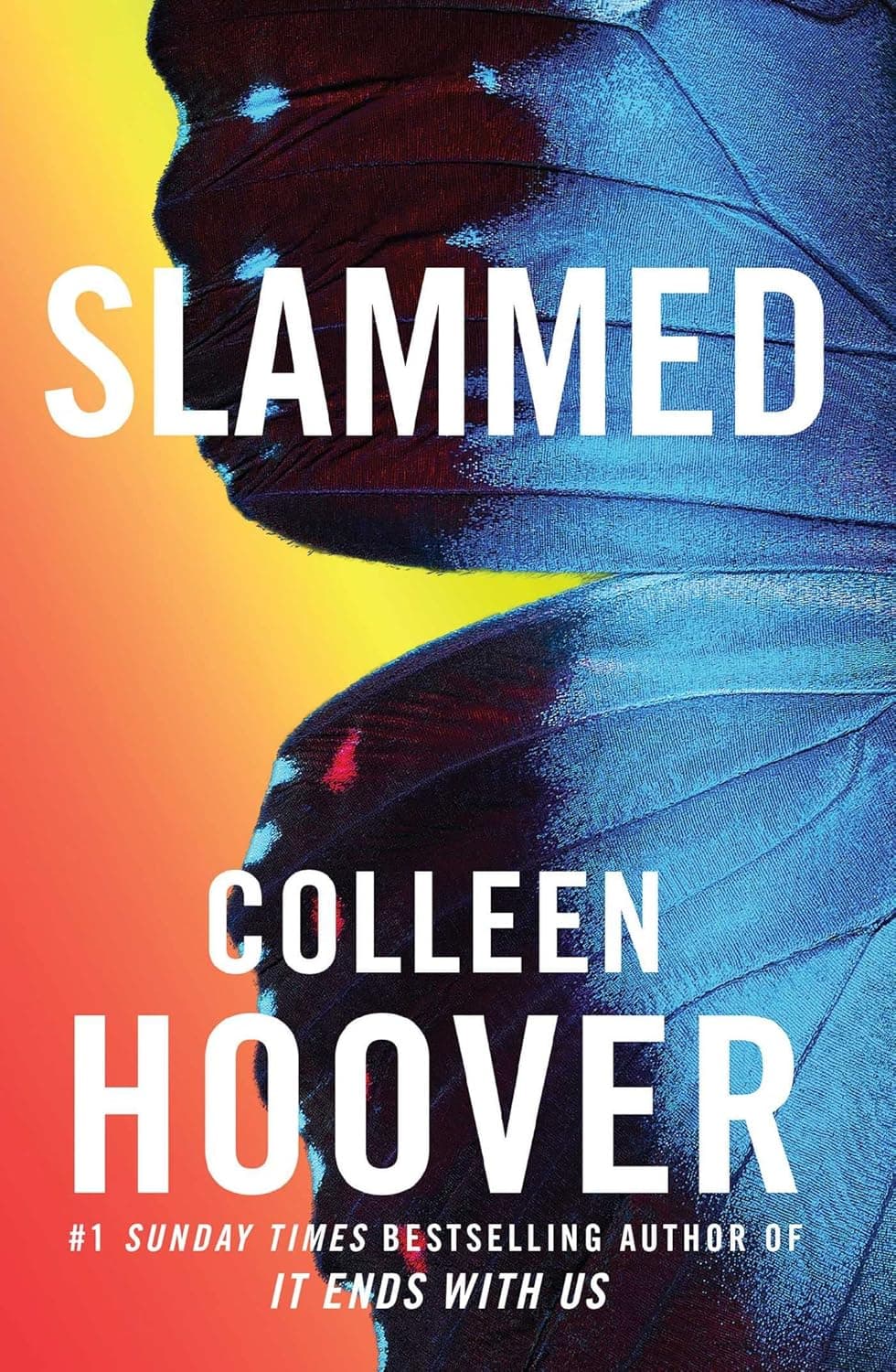
What This Theme Explores
Slammed treats poetry not as ornament but as a working language for survival: a way to tell the truth when ordinary speech collapses. Through slam, Will Cooper and Layken Cohen translate grief, desire, guilt, and hope into something speakable and shareable. The theme asks how artistic risk can turn isolation into connection—and whether putting one’s story on a stage can transform pain into purpose. It also probes the ethics of self-expression: what responsibilities come with speaking honestly when others are listening, learning, and being changed.
How It Develops
At first, poetry is Will’s element and Lake’s initiation. Her first night at Club N9NE reframes “just words” as a force that can quiet a room, expose a life, and build intimacy at lightning speed; Will’s performance of “Death” compresses years of loss and responsibility into minutes, letting Lake see who he is before she even knows the facts of his past. Poetry thus establishes the characters’ first genuine understanding and makes vulnerability feel not only possible but necessary.
As their relationship collides with boundaries, poetry evolves from a shared thrill into a volatile tool. In Will’s classroom, Lake moves from spectator to participant, using the assignment that becomes “mean” to hurl pain back at him. Expression becomes both a pressure valve and a battlefield: the same medium that forged their bond now gives Lake a public, precise way to articulate betrayal, anger, and longing.
Will then reframes poetry not as competition but confession. Teaching Allan Wolf’s credo—“The points are not the point; the point is poetry”—he models how craft can hold chaos and insists that honesty matters more than applause. That shift prepares Lake to face truths beyond romance, especially her mother’s diagnosis; expression becomes a discipline for meeting reality rather than escaping it.
In the late chapters, public performance turns into public courage. Will’s “The Lake” exposes the depth and steadiness of his love, making the stage a site of moral clarity rather than spectacle. By the final slam, their poems speak to and through each other: Lake’s “Schooled” braids grief, friendship, and love into a worldview, and Will’s “Better than third” reorders his priorities in front of witnesses. In the Epilogue, Julia Cohen’s letter—spare and aphoristic—extends this ethic into daily life, turning self-expression into a family legacy and a lifelong practice.
Key Examples
-
The First Slam at Club N9NE: Lake walks in a skeptic and leaves “addicted,” having watched “Blue Sweater” command an entire room with nothing but voice and memory. The experience teaches her that performance can be intimate rather than performative, collapsing distance between speaker and listener. It primes Lake to recognize poetry as a conduit for truth, not a pastime. (Chapter 1-5 Summary)
-
Will’s “Death”: Will compresses bereavement, panic, and duty into an unguarded monologue that reveals his life after becoming guardian to Caulder Cooper. The poem lets Lake see the shape of his character—not just his circumstances—and invites empathy before explanation. It also threads this theme to Responsibility and Premature Maturity, showing how art can shoulder adult burdens that language otherwise dodges.
-
“The points are not the point”: In class, Will de-centers scoring to elevate sincerity, telling students that poetry’s value lies in candor and connection. This principle emboldens Lake (and others) to risk saying what hurts or heals, even if it’s unpopular. The classroom becomes a rehearsal space for ethical speech, not merely a performance arena. (Chapter 11-15 Summary)
-
Lake’s “mean”: Stung by boundaries and heartbreak, Lake weaponizes form—stacking synonyms like steps—to climb out of silence. The piece is an emotional first for her: she authorizes herself to speak ugly feelings beautifully, and in public. Poetry here functions as catharsis that neither excuses pain nor lets it rule her. (Chapter 16-20 Summary)
-
The Final Slam: Lake’s “Schooled” synthesizes her losses and lessons, while Will’s “Better than third” reorders his life with Lake “in first.” Their call-and-response converts private turmoil into a communal resolution, proving that confession can also be commitment. The exchange dissolves secrecy, resolves Forbidden Love and Obstacles, and reimagines the stage as a place where promises can be made and kept. (Chapter 21 Summary)
Character Connections
Will Cooper: For Will, poetry is both refuge and responsibility. It is how he metabolizes trauma and how he teaches others to face theirs, insisting on craft in service of truth rather than ego. His journey shows expression maturing from a private coping mechanism into an ethical practice that shapes how he loves, mentors, and chooses.
Layken Cohen: Lake’s arc traces the formation of a voice. She begins as a stunned listener, becomes a furious speaker, and ultimately turns into a maker who can shape her experience into meaning. By claiming the microphone, she moves from being defined by grief and circumstance to defining them.
Eddie: Eddie’s “Pink Balloon” cracks open her foster-care past and reclaims a narrative others wrote about her. The poem doesn’t erase harm; it gives her ownership over its telling, modeling how vulnerability, when chosen, becomes strength. Her performance broadens the theme beyond romance, proving poetry’s communal, liberating reach.
Julia Cohen: Julia’s last letter adopts the concision and clarity of verse to counsel risk, honesty, and growth. Though she never takes the stage, her voice structures the book’s moral rhythm, reminding Lake that expression is less about applause than about living bravely in the everyday. Julia translates slam’s courage into ordinary, sustaining wisdom.
Symbolic Elements
Club N9NE: The club is a sanctuary where the social order temporarily suspends and truth gets center stage. It’s the crucible in which Lake and Will’s connection is forged and later refined, marking it as both origin and altar for their honesty.
The Stage: Crossing onto the stage symbolizes consent to be seen—fully and without guarantees. It’s a physical threshold between secrecy and testimony, where courage isn’t the absence of fear but action in its presence.
The Avett Brothers’ Lyrics: The chapter epigraphs operate like a chorus, aligning private scenes with a wider poetic current. These lines act as “found poetry,” stitching individual confessions to a shared emotional vocabulary and underscoring the story’s faith in music as meaning.
Contemporary Relevance
In an era saturated with curated personas, Slammed champions forms of speech that are risky, specific, and uncynical. The rise of spoken word—on stages, streams, and social feeds—mirrors the novel’s belief that naming one’s experience can reduce shame and increase solidarity. The book also anticipates today’s mental-health conversations: it treats art as a practice for metabolizing trauma, not a luxury. Its vision of classrooms and cafés as brave spaces argues that communities thrive when people are invited to speak—and are taught how to listen.
Essential Quote
“The points are not the point; the point is poetry.”
This line distills the book’s thesis: expression matters for what it discloses and connects, not for how it scores. By privileging authenticity over winning, the story reorients conflicts, romances, and grief-work toward candor, making poetry a means of becoming rather than merely performing.