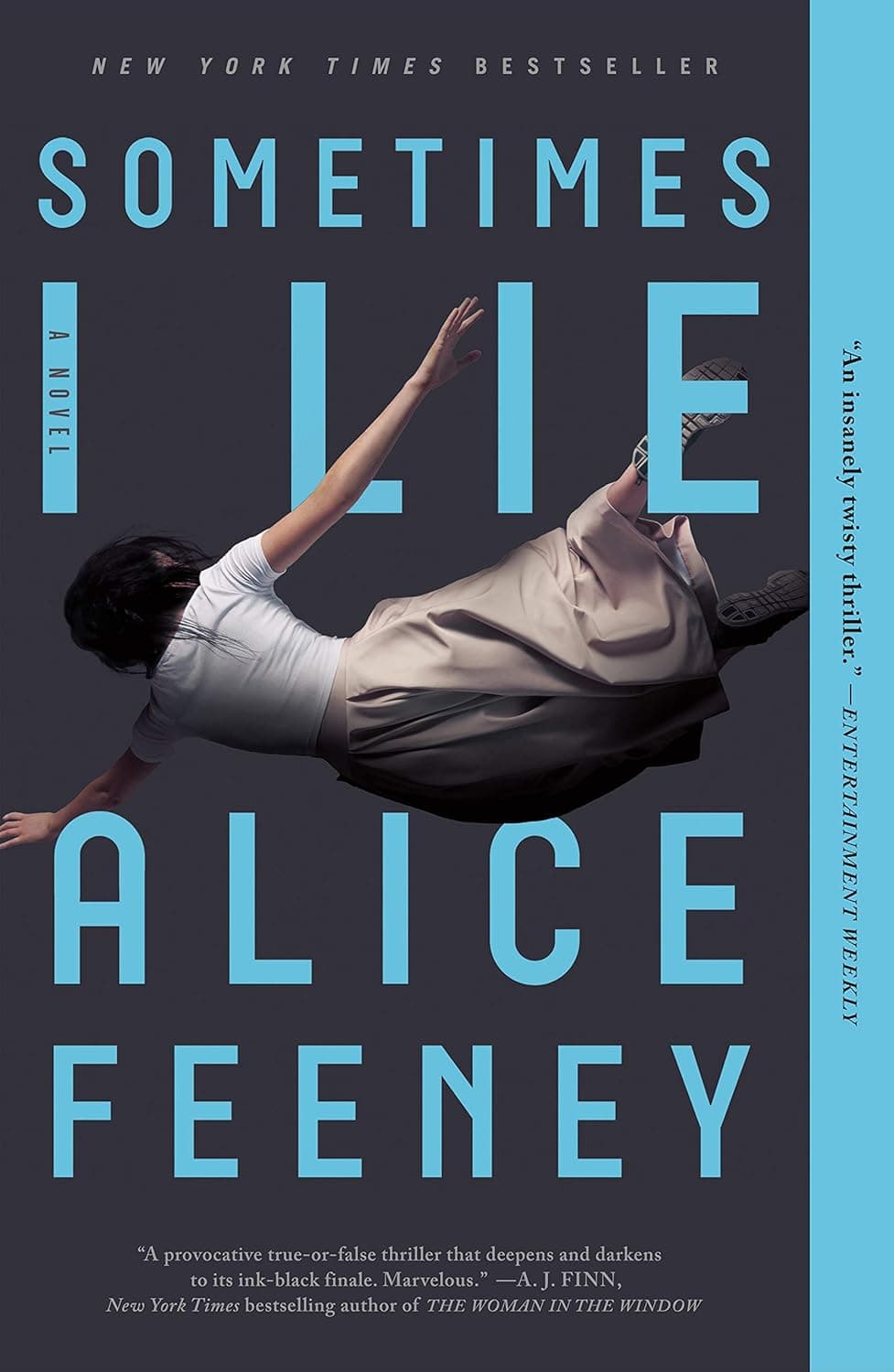
Confinement and Powerlessness
What This Theme Explores
Confinement and powerlessness in Alice Feeney’s novel are not just about locked doors and hospital beds; the story probes how the mind itself can become a cell. The book asks whether control over one’s life is possible when memory, identity, and love are all unreliable. Through Amber Reynolds, it explores how trauma fosters self-surveillance—rituals, lies, and secrecy that mimic the control of an external jailer while deepening the internal cage. The novel insists that the most enduring imprisonments are born of relationships and past injuries that we carry forward, even when the body is free.
How It Develops
The theme enters in stark physical terms: Amber is awake inside a coma, able to hear everything but unable to respond. Her immobility strips away the ordinary illusions of agency; people speak over her, touch her, move her body, and decide her fate without her consent. Before the crash, the “Before” timeline shows the same pattern at work—freedom that is formal but not felt. At the studio, the competitive atmosphere and the manipulative authority of Madeline Frost turn a coveted job into a trap. At home, Amber’s marriage to Paul Reynolds isn’t violent, but emotional neglect builds its own bars.
Midway through, confinement becomes psychological and predatory. The hospital room is no sanctuary; Edward Clarke weaponizes institutional power and medical knowledge to dominate Amber’s body and environment. Meanwhile, the diary chapters pull the bars closer: childhood loneliness hardens into secrecy after the fire, and the guilt that follows binds Amber to her sister in a pact of silence that is as coercive as any lock.
By the end, the narrative reveals the most intimate prison: Amber’s lifelong entanglement with Claire. The crash was not accident but enforcement—Claire’s violent refusal to let Amber build a life without her. Even waking does not free Amber; she remains bound by what she knows, what she owes, and what she must hide. The theme closes on a chilling loop, suggesting that without confronting the past and the relationship that enshrined it, Amber’s cycles of powerlessness will repeat.
Key Examples
The novel threads physical, social, and psychological confinement into a single experience of diminishing agency. Each scene below intensifies the theme by showing how external control and internal complicity reinforce one another.
-
The coma as the ultimate prison: The book opens with a body that functions but won’t obey, immediately collapsing the difference between being alive and being free.
I can’t open my eyes. I can’t move. I can’t speak. The word bubbles to the surface, popping on impact, and I know it to be true.
Coma.
— Chapter 1-5 Summary
The stripped-down language mirrors Amber’s narrowing agency; each short sentence enacts the clipped, helpless rhythm of forced stillness. Naming “coma” doesn’t grant control—it only labels the cell. -
Psychological confinement at work: The studio should be a dream, but ambition is recast as captivity under Madeline’s scrutiny.
It’s been six months since I joined the Coffee Morning team and things are not going according to plan. A lot of people would think I have a dream job, but nightmares are dreams too.
— Chapter 1-5 Summary
The twist on “dream job” exposes how status can mask coercion; what looks aspirational from the outside can feel claustrophobic inside, especially under a manipulator who sets the terms. -
Childhood entrapment: The diary reveals that Amber learned early to self-soothe against chaos she could not stop.
I sometimes hum it to myself to drown out the sound of Dad shouting and Mum crying. That's pretty much my life.
— Chapter 1-5 Summary
Humming is both coping and confinement: a soundproofing device that quiets pain while ensuring the underlying disorder stays unchallenged—training for later, more dangerous silences. -
Edward’s predatory control: Edward turns the hospital into a private dominion, announcing his power over space, tools, and time.
"I’ve got the keys to the whole hospital. I can lock any door and open any medical cupboard. And I know stuff. I haven’t forgotten my training. I know how to keep you here and nobody suspects a thing."
— Chapter 56-60 Summary
The repetition of “I” and the inventory of capabilities perform domination; he speaks like a warden, proving that institutions can be repurposed as cages by those who know their workings best. -
Claire’s final act of confinement: The crash reveals love as possession—control disguised as care.
"I love you," she says before turning back to the road with both hands on the steering wheel.
— Full Book Summary
The gesture of steady hands suggests safety even as she weaponizes the car; the line collapses affection into enforcement, showing how intimacy can become the most effective lock.
Character Connections
Amber Reynolds embodies layered captivity. Her coma is the most visible restraint, but her unreliable memories, compulsive rituals, and habit of lying function as internal guardrails that seem protective while narrowing her choices. Each timeline shows her bargaining for control—at work, in marriage, in sisterhood—only to exchange one set of bars for another.
Claire is the architect of intimate imprisonment. Framed by fear of abandonment, she engineers dependency from childhood onward, tightening bonds through secrets and crises. Her love is absolute, but its logic is carceral: if freedom risks separation, then control is the only love that feels safe to her.
Edward Clarke personifies institutional power turned predatory. He co-opts the hospital’s routines and tools to isolate Amber, proving how expertise and access can enable abuse when empathy is absent. With him, the theme shifts from passive powerlessness to active domination.
Paul Reynolds contributes to the quiet confinement of a loveless marriage. His emotional distance isolates Amber more efficiently than overt cruelty would; the absence of intimacy becomes a void in which she questions her worth and doubts her perceptions, making her easier to manipulate at work and at home.
Madeline Frost channels professional captivity. As Amber’s superior and rival, she sets invisible boundaries—assignments, praise withheld, subtle threats—that transform ambition into a leash. Under her gaze, Amber polices herself, mistaking vigilance for autonomy.
Symbolic Elements
The coma symbolizes being seen but not heard, a body present without agency. It literalizes how Amber’s voice has been sidelined since childhood, and how recognition without response is its own kind of erasure.
The hospital room functions as a sterile cell. Monitors, locked doors, and procedures done to—not with—Amber stage the theme’s core question: when others decide what happens to your body, what remains of your self?
Nana’s house and the fire embody the paradox of destructive “liberation.” The blaze seems to break a cycle, yet it forges a heavier chain—guilt and secrecy that Claire wields to keep Amber close, proving that escape by erasure only deepens captivity.
The robin doorstop—a bird that cannot fly—captures the sorrow of potential made heavy. A creature built for the sky is weighted to the floor, echoing Amber’s intelligence and ambition pinned by trauma and control.
Contemporary Relevance
The novel maps the subtle mechanics of coercive control: how gaslighting, silence, and “for your own good” care can imprison without leaving a bruise. It resonates with modern conversations about psychological abuse, codependency, and the ways institutions can fail those in their care. Amber’s locked-in awareness is a potent metaphor for people who know they’re in danger yet cannot make themselves believed. In spotlighting the prisons of memory and family loyalty, the book underscores that healing requires more than survival—it demands reclaiming voice and revising the stories that have kept us still.
Essential Quote
"I’ve got the keys to the whole hospital. I can lock any door and open any medical cupboard... I know how to keep you here and nobody suspects a thing."
Edward’s litany of keys, locks, and knowledge declares that confinement is a system, not an accident. His boast collapses safety and expertise into instruments of control, crystallizing the book’s warning: when power is unaccountable, even places designed to heal can become cages.