What This Theme Explores
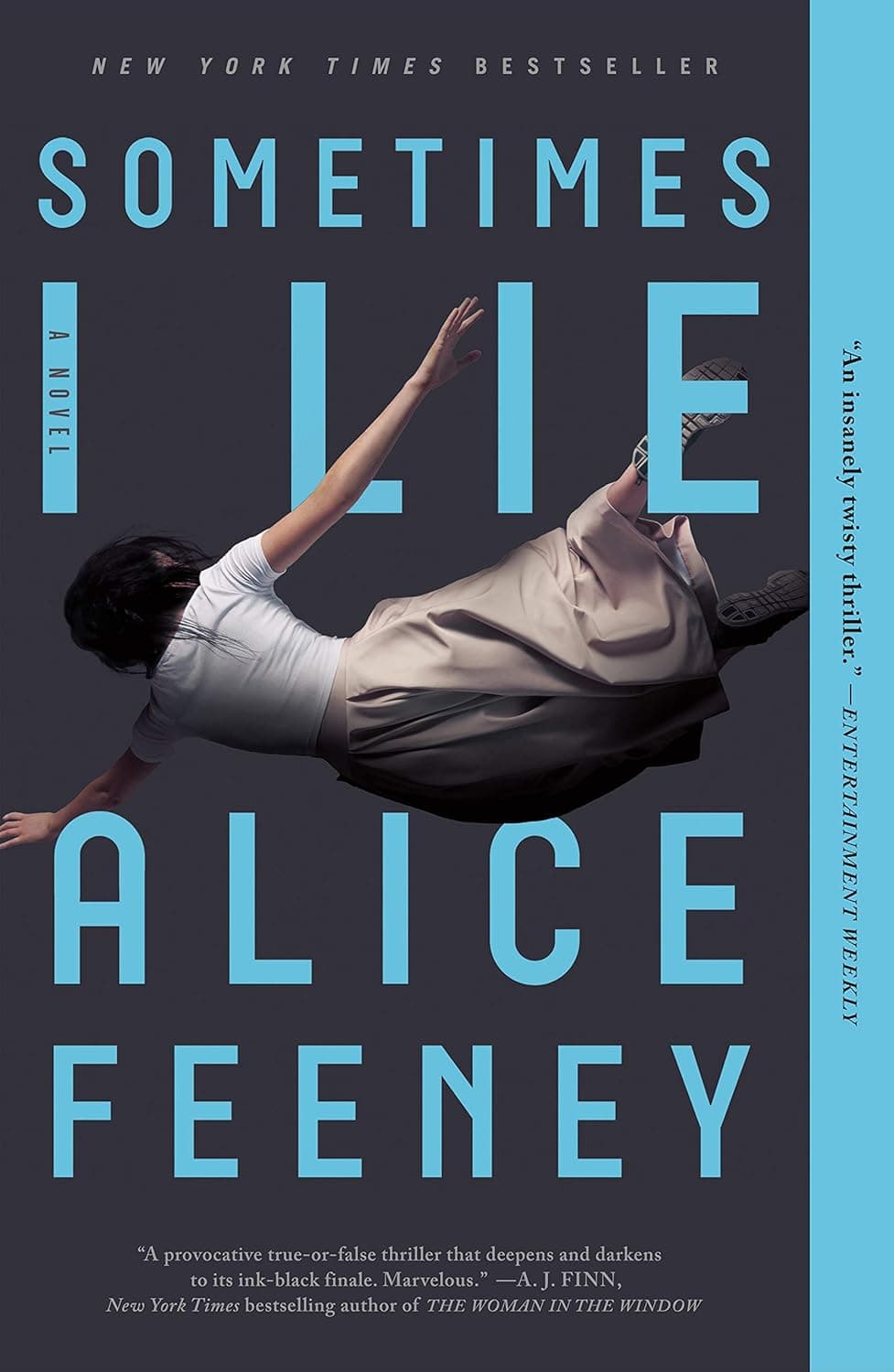
Justice and revenge in Alice Feeney’s novel operate outside courts and codes, shaped instead by personal pain and private bargains. For Amber Reynolds and her sister Claire, “justice” becomes a story they tell themselves to make retaliation feel righteous, even when it corrodes their humanity. The book asks whether vengeance can ever restore balance or whether it simply multiplies harm by turning victims into perpetrators. As the sisters rewrite morality to suit their wounds, the line between accountability and cruelty dissolves.
How It Develops
The novel seeds its moral inversion early: Amber reframes retaliation against her boss as a necessary defense, a tidy way to stay employed while punishing someone she views as predatory. Simultaneously, childhood diaries chart Claire’s origin as self-appointed avenger, a big sister who translates love into punishment. What begins as private justification—protecting a job, fending off bullies—sets the blueprint for a justice system of one.
In the middle stretch, the vendettas snarl. Amber’s scheme to humiliate Madeline Frost escalates from rumor to public spectacle, while the return of Edward Clarke drags up an older wound—his life derailed by a manipulation he misattributes, and for which he now seeks payback. Retaliations answer retaliations, so that each act is both provocation and reply; no one is entirely innocent, and no blow lands clean.
By the end, the book detonates the idea of proportion. A live broadcast ruins Madeline’s career in a single, engineered moment. Claire’s vigilantism becomes outright savagery when she tortures and kills Edward, calling it protection. Finally, Amber turns the language of justice into cover for the ultimate betrayal—engineering a fire that kills Claire and her husband, framing another woman, and calling it balance restored. Vengeance, once a tool, becomes the only law that remains.
Key Examples
-
Project Madeline: Amber’s first “just” act is a revenge operation plotted like a campaign, complete with rumors and staged encounters. With her confidante Jo, she recasts character assassination as survival, blurring defense with attack. The groundwork is laid in the early bar meeting and subsequent moves outlined in the Chapter 1-5 Summary.
-
The Live Television Broadcast: Amber engineers a moment where Madeline’s hot-mic remarks are aired nationally, collapsing a career in seconds. The precision of the setup lets Amber believe she has merely exposed truth rather than inflicted harm, a classic revenge rationalization. The scale of the punishment, as seen in the Chapter 61-65 Summary, outstrips the offense, signaling the novel’s skewed calculus.
-
Edward’s Fate: After Edward assaults Amber, Claire kidnaps him and weaponizes his own sunbed to torture and kill him. The act reads as “protection,” but its spectacle of pain shatters any illusion of proportionate justice. The aftermath, described by the detective in the Chapter 66-67 Summary, underscores how vigilantism curdles into cruelty.
-
The Final Act of Revenge: Convinced Claire caused the crash that took her baby, Amber orchestrates a fire that kills Claire and her husband, then frames Madeline to seal the narrative. She casts this as justice—for her lost child, her stolen choices—while claiming custody of Claire’s children. The move reveals revenge’s endgame: not fairness, but control of the story and its spoils.
Character Connections
Claire: The novel’s most fervent believer in personal justice, Claire treats love as license to punish. From childhood assaults on bullies to arson and murder, she assigns herself the role of executioner, convinced that hurt must be repaid in kind. Her righteousness is both shield and blade—meant to protect, it inevitably harms.
Amber Reynolds: Amber frames her schemes as corrective measures, but her precision and detachment expose a strategist of vengeance. She justifies public ruin and private betrayal as necessary redress, editing herself into the role of wronged party. Her final act against Claire clarifies the truth: justice, once filtered through grievance and ambition, becomes indistinguishable from self-serving cruelty.
Edward Clarke: A cautionary node in the chain, Edward acts on a mistaken grievance and descends into stalking and assault. His violence invites Claire’s retaliation, and the exchange escalates beyond any moral measure. He is both perpetrator and victim, proving how revenge careens past intent into catastrophe.
Madeline Frost: The first target of Amber’s campaign, Madeline is ruthless but hardly a murderer; still, she is shamed, fired, and ultimately framed. Her downfall shows how revenge severs punishment from proportionality, turning even a genuine antagonist into a scapegoat in someone else’s design.
Symbolic Elements
Fire: Both cleansing and annihilating, fire becomes the sisters’ chosen instrument of “justice.” It promises renewal—burning away pain—while in practice it only brands the next wound, marking the cycle of retaliation that consumes them.
The Diaries: These childhood records are a ledger of grievances and a manual for payback, teaching the sisters to make meaning by balancing scales with harm. Burning them later is less repentance than revision—an attempt to erase the paper trail of a story rewritten as righteousness.
The Robin Doorstop: A homely keepsake turned weapon, the doorstop collapses the boundary between domestic safety and latent violence. It embodies the novel’s thesis: justice, in the wrong hands, is a blunt instrument that mistakes force for fairness.
Contemporary Relevance
The novel mirrors a world where reputations are wrecked in hours and “accountability” campaigns bleed into vigilantism. Information becomes ammunition, platforms become courtrooms, and moral certainty licenses cruelty—echoes of online shaming, doxxing, and trial by feed. By dramatizing how grievance can masquerade as justice, the book warns that bypassing institutions to “balance the scales” often replaces one harm with another, leaving no space for truth, proportion, or repair.
Essential Quote
“I couldn’t agree more. She swivels on her heel and marches back inside the building. I follow her, unable to take my eyes off the battery pack still attached to the back of her giant black pashmina.”
This moment crystallizes revenge as choreography: the battery pack is both prop and weapon, transforming a broadcast into an execution. Amber’s gaze—fixed not on a person but on the means of exposure—reveals her creed: justice is whatever your plan can make public, and punishment is whatever the audience cannot unsee.