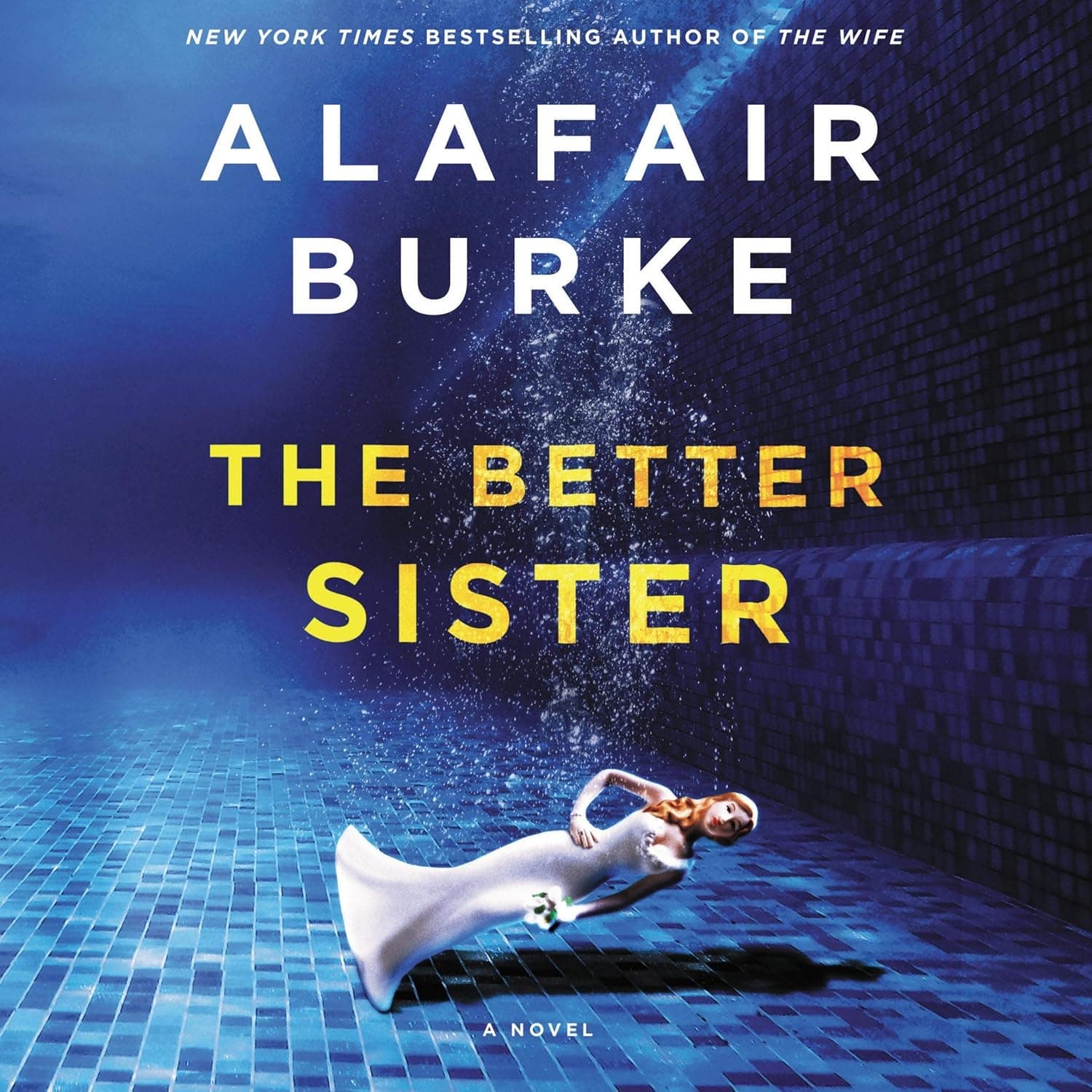
Opening
Power editor Chloe Taylor basks in the glow of a Press for the People Award as her curated persona collides with private fissures at home, crystallizing the theme of Public Image vs. Private Reality. Her husband, Adam Macintosh, charms in public but grows evasive in private, and the family’s glossy narrative soon splinters into secrets, suspicion, and a death that turns Chloe from honoree to potential suspect.
What Happens
Chapter 1
Chloe, editor-in-chief of the glossy feminist magazine Eve, fields a profile interview about her “Them Too” series, which pairs everyday harassment survivors with celebrity advocates. She projects humility, insisting the women are the real story, while silently managing her own exhaustion—an immediate split between the image she cultivates and the life she carries. The first whisper of Family Secrets and Lies slips in as Chloe cleans up the “how we met” story, reducing the truth to a neat Cleveland-to–New York reunion.
Adam arrives late yet effortlessly dazzles the young reporter, radiating pride in Chloe. At home, their shine dulls. An obligatory-feeling sexual encounter ends with Adam’s barb—“it’s what you’ve always dreamed of, isn’t it?”—which lands like resentment in Chloe’s chest. He announces he might miss her ceremony for a last-minute Gentry client meeting by JFK; the casual delivery stings and seeds deeper doubt. Their sixteen-year-old son, Ethan Macintosh, returns home, completing the portrait of a perfect family Chloe keeps airbrushing.
Chapter 2
On gala day, Chloe works from home, reviewing a photo shoot of a rising congresswoman and bristling at the “over-the-top glamour shots” that seem to betray the politician’s brand. The moment underlines Truth, Deception, and Perception: Chloe is sure she’s spotting spin—until the writer explains the shoot is the congresswoman’s own satirical, ironic concept. Chloe realizes she missed the joke.
Waiting on replies, Chloe doomscrolls Twitter and an anonymous board called Poppit, where fans mingle with misogynistic trolls. A user, “KurtLoMein,” calls her a “hypocrite” who “cares more about her picture-perfect image than actual reality,” a jab that bites harder once Chloe realizes her misread. As her makeup artist, Valerie, preps her for the gala, Ethan comes home; his awkward, intense discomfort around the punk-styled Valerie rattles Chloe. She thinks, chillingly, that weeks later she will wonder if this was another sign that something is deeply wrong with her son.
Chapter 3
Chloe and Ethan arrive at the Press for the People gala without Adam, whose absence knots Chloe’s stomach. She mingles with the elite and introduces herself to Bill Braddock, the venerable head partner at Adam’s firm, Rives & Braddock. When she mentions Adam’s late-night meeting with a Gentry client near JFK, Bill looks blank; other attorneys, including partner Jake Summer, trade uneasy glances, raising serious questions about Adam’s work—and whereabouts.
Then Chloe’s mentor Catherine Lancaster appears to present the award, delivering a warm tribute to Chloe’s instincts and heart. Chloe’s acceptance speech centers the women of “Them Too,” drawing a standing ovation. A piercing whistle cuts through the applause—Adam, finally at their table, smiling. Relief floods Chloe as the family appears to snap back into place, at least for a moment.
Chapter 4
A flashback peels away the sanitized “how we met” story: Adam’s first wife is Chloe’s sister, Nicky Macintosh. After their divorce, Adam moves to New York with young Ethan, fleeing Nicky’s erratic, intoxicated spirals. Chloe, already in the city, helps Adam land a federal prosecutor job and becomes a steady presence for Ethan—“Aunt Glow-y”—while she wrestles with ambivalence about Motherhood and Parental Rights.
For over a year, Chloe and Adam are only friends. Then Chloe’s boyfriend, Matt, dumps her just before her twenty-ninth birthday, accusing her of being too intense and career-obsessed. Adam shows up that night with the exact serving platter she wanted, a gesture of care that reframes everything—Matt’s betrayal against Adam’s steadfastness, an inflection point in Betrayal and Loyalty. From there, becoming a couple feels inevitable.
Chapter 5
The morning after the gala, Chloe wakes in Adam’s arms. The warmth evaporates as his compliments about her glowing New York Times piece sound edged and double-voiced. Their private cold war surfaces: Chloe once encouraged Adam to leave the meaningful grind of prosecution for partnership at Rives & Braddock—meant, she thought, to bolster him; felt, he thinks, like pressure to “sell out” to polish her profile. He hates the corporate track and blames her, linking their marriage to the compromises of Justice and the Legal System.
Chloe suggests an East Hampton weekend; Adam says he must return to the Gentry clients by JFK and jokes they need to be near an airport to flee to a “nonextraditing country.” He makes a move; she demurs, late for Pilates, and leaves after a quick kiss. The section detonates with the final lines:
That was the last time I saw my husband alive. At least, that’s what I told the police, but I could tell they didn’t believe me.
Character Development
The section builds a glittering public version of this family, then methodically reveals hairline cracks—resentment, secrecy, and competing loyalties—that promise to widen under pressure.
- Chloe Taylor: Celebrated editor and careful curator of her image; compulsively checks online commentary; misses cultural cues; clings to routine. Her final admission positions her as an unreliable narrator and potential suspect.
- Adam Macintosh: Publicly adoring, privately resentful. His murky Gentry story and colleagues’ confusion hint at secrets; by the end, he shifts from spouse to victim and catalyst.
- Ethan Macintosh: A teen toggling between detachment and startling support. His pride at the gala complicates Chloe’s worry after his uneasy reaction to Valerie, foreshadowing deeper issues.
Themes & Symbols
The friction between public persona and private life drives every scene. Chloe’s award for uplifting truth-tellers sits beside her edited origin story with Adam, their “performance” at the gala, and the lie she tells the police. “Them Too” functions as a mirror: the series amplifies unseen truths even as Chloe’s own evasions multiply. The glamorous congresswoman shoot Chloe misreads becomes a parable about how easily perception is staged, misread, and weaponized.
Family secrecy operates as both plot engine and moral question. The concealed sister-spouse history, Adam’s ambiguous client meeting, and Chloe’s closing confession braid deception into love, ambition, and duty. The law—first as Adam’s lost vocation, then as the corporate compromise he resents—frames the story’s ethical terrain, where justice, image, and loyalty collide.
Key Quotes
“it’s what you’ve always dreamed of, isn’t it?”
Adam’s congratulation doubles as a dig, speaking jealousy in the guise of support. The line punctures the intimacy of the scene and exposes a core grievance: Chloe’s success is both a point of pride and a wound.
“hypocrite” who “cares more about her picture-perfect image than actual reality.”
The anonymous Poppit insult crystallizes the book’s central accusation against Chloe. It lands harder after she misreads the congresswoman’s satire, suggesting that the gatekeeper of truth may be out of tune with it in her own life.
needing to be near an airport to flee to a “nonextraditing country.”
Adam’s joke cloaks menace in humor, teasing a legal shadow around the Gentry clients and casting doubt on his story. The flippancy signals a man comfortable skating the edge—or telegraphing that someone is.
That was the last time I saw my husband alive. At least, that’s what I told the police, but I could tell they didn’t believe me.
The line flips the novel’s genre switch—from professional drama to murder mystery—and instantly renders Chloe suspect and storyteller in one. It reinterprets every prior scene as potential evidence.
Why This Matters and Section Significance
These chapters erect a careful scaffold—career triumph, “perfect” family, rehabilitated love story—only to kick it out with a death and a lie. They establish the central mystery and the psychological battleground: ambition versus intimacy, truth-telling versus self-protection, justice versus complicity. By seeding doubts about Adam’s work, exposing the sisters’ entanglement, and framing Chloe as both advocate and deceiver, the section sets up an investigation that must parse not only a crime, but the stories families tell to survive.