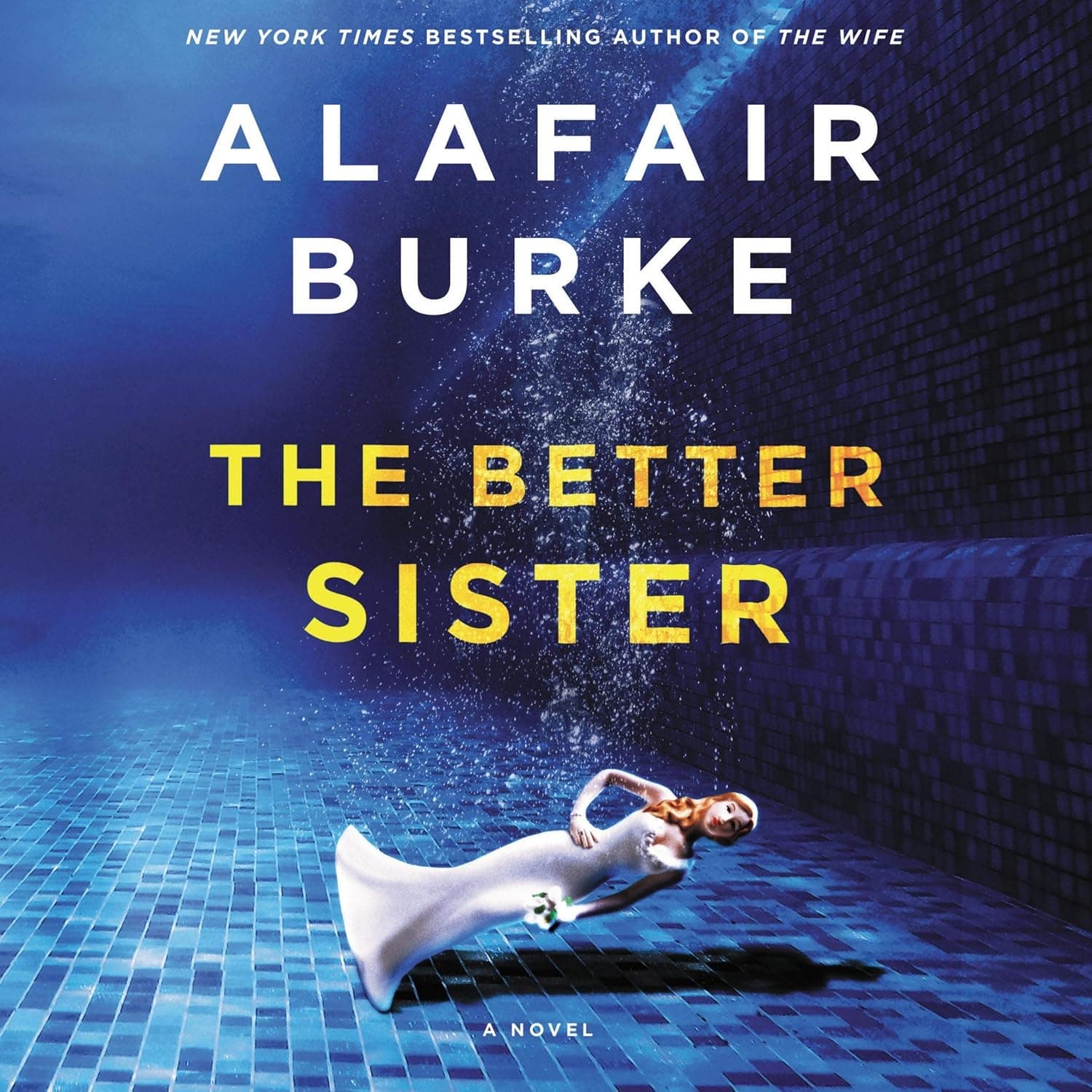
What This Theme Explores
Truth, Deception, and Perception sits at the novel’s core, probing how people curate what others see—and what they choose to believe about themselves. The story rejects a single, stable truth; it shows how “truth” fractures under the pressures of self-protection, ambition, fear, and love. From the polished public persona of Chloe Taylor to the performative certainty of the courtroom, the book asks whether facts matter less than the stories we tell about them. It also interrogates the cost of those stories: how far characters will go to manufacture a truth they can live with, even if it’s a lie.
How It Develops
The novel opens with personal curation rather than overt deceit. In the Prologue, Chloe edits her own history with Adam Macintosh, smoothing over the betrayal of her sister Nicky. What begins as self-protective omission signals a worldview: Chloe treats life as something to be edited for effect, not recorded for accuracy. The theme initially lives in that intimate space—what you omit from a story is as powerful as what you include.
Once Adam is murdered, personal editing metastasizes into criminal misdirection. Investigators lean on perception shortcuts: Chloe as “ice queen,” Ethan as the entitled teen. Lies accrete—Ethan’s false alibi, Chloe’s half-truths about the security alarm, Adam’s own secrecy about his meetings—until the case is less a puzzle to be solved than a tangle of competing narratives, each demanding to be believed.
The trial elevates this dynamic to spectacle. The courtroom functions as a theater where persuasion outruns objectivity. Led by Olivia Randall, the defense doesn’t seek the capital-T Truth so much as a plausible counter-story; introducing Jake Summer as a potential killer manufactures “reasonable doubt” out of insinuation. Legal truth emerges as a construct—whatever a jury can be convinced to accept.
In the climax, the novel strips away even that veneer: the defense’s “truth” is itself a fabrication. The real revelation—that Nicky killed Adam and Chloe tampered with evidence to frame Bill Braddock—yokes sisterhood to shared deception. The ending refuses moral tidy-up. The sisters survive by agreeing to a lie convincing enough to function as truth, forcing readers to confront how durable—and dangerous—fabricated realities can be.
Key Examples
-
Chloe’s Edited History: In the Prologue, Chloe tells a streamlined story of “reconnecting” with Adam, recasting betrayal as fate and necessity. The omission sanitizes her choices and signals her fluency in managing optics, priming readers to doubt even her most intimate confessions.
-
Ethan’s Online Persona: Posting as “KurtLoMein” on Poppit, Ethan hides behind anonymity to voice what he cannot say aloud: “Cares more about her picture-perfect image than actual reality.” The pseudonym simultaneously cloaks and reveals him; the lie of his identity enables a sharper truth about his home life and Chloe’s public-facing brand.
-
Adam’s Deception: Adam claims to be meeting the Gentry Group near JFK, masking his cooperation with the FBI. His lie muddies motive and timeline, sending both Chloe and the police down a plausible but false path—a reminder that even “noble” deceit (whistleblowing preparations) can warp perception.
-
The Staged Crime Scene: A broken window and ransacked rooms invite a ready-made burglary narrative—until the glass shards betray the staging. Ethan later admits he faked the break-in not to hide his guilt but to protect someone he feared was guilty, showing how love and fear produce their own counterfeit truths.
-
The Trial as Performance: Olivia’s strategy hinges less on proving what happened than on telling a story that makes jurors doubt the prosecution’s. By floating Jake Summer as a viable suspect, she constructs a legal “truth” divorced from reality, underscoring how the justice system privileges credibly told narratives.
Character Connections
Chloe Taylor: As a magazine editor, Chloe lives by the power of the polished narrative, and she applies that craft to her marriage and public identity. Her silence about Adam’s abuse and her final decision to frame Bill Braddock reveal a moral calculus that prioritizes the story that keeps her family intact. Chloe personifies the seduction—and peril—of believing that if you can control perception, you can control reality.
Nicky Macintosh: Nicky’s life with Adam is an ongoing performance, an attempt to match a role she thinks he wants. Her meticulous alibi—the phone left in Cleveland, the choreography of distance—shows a sophisticated understanding of how evidence creates perception. When she kills Adam, her deception is less a panicked cover-up than a grimly competent rewrite.
Adam Macintosh: Adam’s outward image as supportive husband masks corrosive resentment and manipulation. His secret meetings with the FBI and his emotional gaslighting of Nicky and Ethan blur the line between principled secrecy and controlling deceit. In Adam, the book exposes how a respectable facade can conceal both moral conflict and abuse.
Ethan Macintosh: Ethan’s lies—about his alibi, about the staged scene—are protective rather than predatory, but they still deform the truth. His Poppit persona gives him a space to articulate reality while still participating in deception. Ethan embodies the novel’s paradox: sometimes we need a lie to admit what’s true.
Olivia Randall: As a defense attorney, Olivia is a professional curator of doubt. Her mantra that it’s not the defense’s job to explain the state’s evidence reframes justice as narrative competition rather than fact-finding. Olivia channels the theme’s most unsettling implication: in court, the best-told story often beats the truest one.
Symbolic Elements
Social Media: Twitter and Poppit function as arenas where performance eclipses reality. Chloe’s glossy professional brand clashes with anonymous vitriol and Ethan’s confessional posts, revealing how platforms both distort and expose truth.
Burner Phones: These disposable devices literalize compartmentalization. Used for affairs and secret conversations, they create sealed-off realities—truths that exist only for those on the line.
The Security Alarm: Presented as “objective” data, the alarm log becomes a Rorschach test for competing narratives. What looks like certainty is reinterpreted into a timeline that fits whichever story is most persuasive.
The “Perfect” Houses: The immaculate Manhattan apartment and East Hampton home broadcast stability and success while containing chaos and violence. Their curated surfaces mirror the characters’ curated lives—beautiful shells over volatile interiors.
Contemporary Relevance
The novel speaks directly to an era of curated feeds, “alternative facts,” and trial-by-social-media. It dramatizes how easily reputations are built and destroyed by partial information and how institutions—from media to the courts—reward persuasive framing over patient inquiry. By tracing how good people, frightened people, and powerful people alike manipulate narratives, the book captures a central anxiety of the digital age: that our shared reality can be overwhelmed by convincing fictions.
Essential Quote
“It’s not for us to explain their evidence... You have no idea how much pressure they put on his friend to get him to say what they wanted.”
This line distills the novel’s legal cynicism: justice is not a quest for truth but a contest of narratives shaped by power and pressure. Olivia articulates the system’s operative logic—don’t resolve ambiguity; exploit it—which legitimizes deception as strategy. Her stance reframes moral responsibility, suggesting that in court, ethical clarity yields to the imperative to win.