What This Theme Explores
Motherhood and Parental Rights in The Better Sister probes the gap between the mother a law recognizes and the mother a child experiences. The novel juxtaposes Nicky Macintosh, a biological parent whose instability once cost her custody, with Chloe Taylor, the woman who has raised Ethan Macintosh for years. It asks whether motherhood is an immutable birthright or a role earned through constancy, care, and sacrifice. As the legal system collides with family reality, the book presses readers to consider who should decide a child’s fate when paperwork and lived love point in different directions.
How It Develops
At the outset, the family sustains a precarious balance. Chloe has built the rhythms of daily life—homework, curfews, shared dinners—in a household defined by her steady presence, while Nicky’s absence lingers as a wound and a warning. The arrangement, orchestrated by Adam Macintosh, legally elevates Chloe’s standing, yet everyone understands that biology, however dormant, carries its own gravitational pull.
Adam’s murder detonates that fragile equilibrium. As police and courts mobilize, institutional reflexes default to biology: officials insist on contacting Ethan’s “mother,” sidelining Chloe to the role of step-parent. What had been an unspoken tension becomes an adversarial question, as Nicky reenters not only Ethan’s life but the decision-making space—forcing the sisters to confront the rift between legal rights and emotional truth.
When Ethan is implicated and ultimately arrested, rivalry gives way to solidarity. The crisis reframes both women’s claims: instead of competing for the title of “real” mother, Chloe and Nicky combine their authority, advocacy, and love in service of the same child. By the end, the novel replaces an either/or framework with a shared, blended model of motherhood—less a crown to be worn than a responsibility to be shouldered together.
Key Examples
-
The police insist on contacting the “real” mother. In the immediate aftermath of Adam’s death, officers inform Chloe they must notify Ethan’s mother, treating Chloe’s years of caregiving as irrelevant. In the Chapter 1-5 Summary, the shock on Chloe’s face captures how institutions privilege bloodlines over day-to-day parenting, exposing the gulf between legal designation and lived family.
“The police needed to call Ethan’s mother. My husband, Adam, was dead, and now his son—my son, or so it had seemed for nearly a decade—would need his mother.”
This moment makes the theme explicit: Chloe’s emotional authority collapses in the shadow of a legal word—mother.
-
Nicky asserts legal authority to protect Ethan. When detectives circle Ethan after his alibi falters, Nicky steps forward with paperwork and conviction, reclaiming guardianship in the Chapter 16-20 Summary. Her intervention isn’t mere rivalry; it’s maternal urgency expressed through lawful power.
“Chloe isn’t his mother. I am. I have the legal documents if you need them.”
The scene reframes Nicky as more than a biological footnote—she channels the law as a tool of care, complicating any simple hierarchy between the two women.
-
The court diminishes Chloe’s role. During trial proceedings, Chloe is repeatedly labeled “only his stepmother,” a semantic downgrading that strips her of credibility and influence. As noted in the Chapter 26-30 Summary, even Olivia Randall concedes the limits of both women’s legal protections, underscoring how statutes lag behind the realities of blended families. The courtroom becomes a stage where words redefine relationships, regardless of history and affection.
-
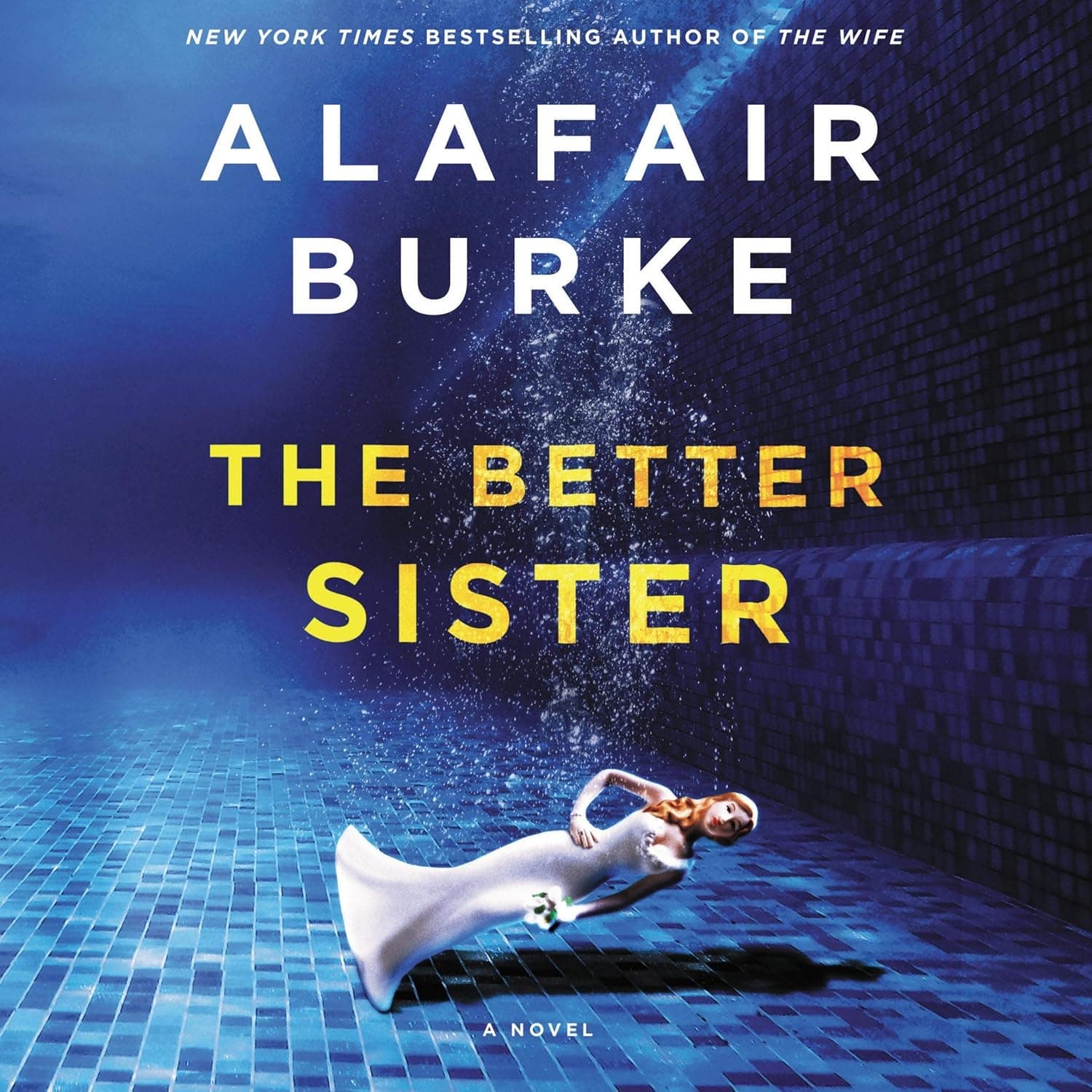
The origin of the custody arrangement shadows the present. The swimming pool incident, detailed in the Chapter 21-25 Summary, catalyzed the transfer of rights from Nicky to Adam and set the conditions for Chloe’s maternal role. This backstory ties present-day conflicts to a single moment of perceived maternal failure, showing how one legal act can codify pain while also making room for a different kind of love to grow.
Character Connections
Chloe Taylor embodies motherhood as practice—measured in routines, boundaries, and relentless presence. Her vulnerability lies in the mismatch between what she does and what the law says she is. The novel traces her discovery that love alone won’t shield her from systems that privilege biology, pushing her to find authority not just in affection but in partnership and strategy.
Nicky Macintosh personifies the stubborn power of biological connection—and its possibility for redemption. Initially defined by absence, she returns with a fierceness that blends guilt, love, and a demand to be counted. Importantly, her arc moves beyond asserting rank to shouldering responsibility, proving that “biological mother” can be not only a title but a renewed commitment.
Ethan Macintosh is the compass by which the theme orients itself. He calls Chloe “Mom,” affirming the reality of their bond, yet seeks out Nicky to reconcile identity, history, and belonging. His legal jeopardy forces both women to recognize that motherhood’s truest test is not ownership but advocacy.
Adam Macintosh designs the family’s legal scaffolding, transferring custody and later naming Chloe as guardian. His choices make possible Chloe’s day-to-day motherhood while tethering the family to documents that can both protect and erase. In death, Adam’s arrangements reveal their limits: no will can fully resolve a child’s need for every form of love he has known.
Symbolic Elements
The custody agreement functions as the story’s hard-edged symbol of parenthood—the promise and the peril of reducing family to a clause. It protects one mother by displacing another, encoding both stability and loss in legal prose.
Ethan’s use of “Mom” for Chloe symbolizes earned intimacy, a language of love that refuses to obey institutional hierarchies. Each utterance testifies to years of caretaking, challenging a system that would rename the bond as “step.”
The apartment Chloe and Adam built with Ethan embodies the family’s emotional architecture. When Nicky enters that space after Adam’s death, the home becomes a contested site where two versions of motherhood inhabit the same rooms, forcing coexistence and, eventually, collaboration.
Contemporary Relevance
Burke’s portrait of contested motherhood echoes a legal landscape still catching up to modern families: blended households, step-parents who raise children from toddlerhood, adoptive and same-sex parents, kinship care. Courts often privilege biology because it is legible and provable, even when a child’s attachments tell a more complicated truth. The novel invites a rethinking of parental rights to center a child’s stability and relationships, arguing for laws flexible enough to recognize the mothers a child actually has.
Essential Quote
“Chloe isn’t his mother. I am. I have the legal documents if you need them.”
This line crystallizes the novel’s core tension: the law’s power to anoint a mother against the grain of lived experience. Yet it also reveals Nicky’s evolution—she uses legality not to erase Chloe but to protect Ethan—pointing toward the book’s resolution, where motherhood becomes a joint labor rather than a title to win.