What This Theme Explores
Domestic Abuse and Its Legacy in The Better Sister interrogates how violence inside a family rarely ends with a single act. It asks how abuse can be invisible to outsiders yet omnipresent for those inside it, and how psychological control—gaslighting, intimidation, and shame—binds victims as effectively as physical harm. The theme probes generational echoes: how children raised in abusive homes recreate, resist, or rationalize similar patterns as adults. It also challenges cultural habits of disbelief and the seductive comfort of a public narrative that contradicts private truth.
How It Develops
The novel seeds the theme quietly in backstory before letting it surface as the mystery’s true engine. Chloe Taylor grows up watching her father brutalize her mother, a template she vows to reject yet unconsciously repeats. Adam Macintosh crafts a self-image in opposition to his violent father—becoming a prosecutor and a “protector”—while his courtship of Nicky Macintosh and later marriage to Chloe allow him to mask coercion as care. When Adam begins exerting control over Chloe and Ethan Macintosh, the cracks appear not as isolated “bad moments” but as a pattern: anger calibrated to isolate, manipulate, and frighten.
As the investigation advances, the past reframes the present. Nicky’s “instability” looks less like personal weakness and more like the effect of sustained abuse—misread by Chloe and their parents because it didn’t fit their preferred story about Adam. Ethan’s secret video punctures Adam’s public persona and forces the adults to reckon with what the child already knows. The trial cements the shift: Ethan’s testimony makes Chloe’s private pain indisputable, reorienting the plot from a whodunit to a reckoning with how families absorb and deflect harm. In the end, Nicky’s confession—killing Adam to stop the cycle she recognizes repeating with Chloe and Ethan—renders the legacy of abuse tragically literal, compelling Chloe to confront her complicity and her mother’s before her.
Key Examples
-
The Taylor Family’s History: Chloe’s memories of her father’s violence and sexual boundary violations establish the blueprint she carries into adulthood. She notes her mother’s refusal to leave, a decision Chloe later mirrors with Adam—an uncomfortable repetition that shows how endurance can masquerade as strength while enabling further harm.
I remember Dad kicking the crap out of Mom while she was huddled in a ball on the floor. I remember him coming home wasted, crawling into my bed, and putting his hand in my panties, thinking I was Mom.
-
Adam’s Control Over Nicky: At the swimming pool, Adam accuses Nicky of nearly drowning Ethan, weaponizing a chaotic moment to seize custody and credibility. By capitalizing on Nicky’s past struggles, he manufactures a narrative in which he is savior and she is danger—classic gaslighting that converts ambiguity into his authority.
-
Ethan’s Secret Video: Ethan captures Adam’s verbal tirade, preserving the abuse Adam reserves for private spaces. The footage contradicts Adam’s protector image and shows how emotional violence erodes a child’s sense of self, turning Ethan into both victim and archivist of the truth.
ADAM: You’re a loser, a druggie zombie. Don’t you even see that you’re losing your mind, just like your mother? Is that what you want? To be a dysfunctional invalid?
-
Ethan’s Testimony: On the stand, Ethan describes hearing Adam physically hurt Chloe, forcing the family’s secret into public view. His silence beforehand stems from protecting his mother, revealing the emotional blackmail children internalize in abusive homes.
ETHAN: I could hear thuds and stuff. And then a few times, it was clear he was hurting her... Because she’d literally be screaming, ‘Adam, you’re hurting me.’
-
Nicky’s Confession: Nicky admits she killed Adam to stop him from breaking Ethan—and Chloe—the way he broke her. The confession reframes the murder as a catastrophic attempt at protection, where survival instinct collides with moral boundaries in a house already warped by violence.
NICKY: It was because Adam was starting to hurt you, and I could see how it was destroying Ethan. He was breaking that sweet little boy... I wasn’t going to let him do to him what he’d done to me. I wasn’t going to let him break our son.
Character Connections
Adam Macintosh: Adam both repeats and rationalizes the pattern he claims to overcome. He leverages his origin story—son of an abuser—to legitimize his authority and public virtue while privately demanding obedience, isolating partners, and weaponizing their vulnerabilities. The dissonance between his reputation and his conduct underscores how abusers thrive in systems that reward charm and status.
Chloe Taylor: Publicly, Chloe is a voice for victims, a champion of accountability whose work intersects with Public Image vs. Private Reality. Privately, she minimizes and conceals Adam’s behavior, reenacting her mother’s compromise and proving how intelligence and power do not inoculate against control. Her arc traces the painful recognition that advocacy without self-confrontation can inadvertently enable abuse.
Nicky Macintosh: Branded unstable, Nicky becomes the easiest person to disbelieve, which is precisely why Adam’s narrative about her sticks. Her final act, however morally fraught, arises from clear-eyed recognition of the cycle and a desperate refusal to let it consume the next generation—an indictment of a world that left her with no safe remedy.
Ethan Macintosh: Ethan shoulders an impossible role: victim, witness, protector of his mother, and the person who finally produces undeniable evidence. His choices—recording the video, testifying—show the cost of forcing children to carry adult secrets, and how truth-telling can be both liberating and scarring.
Symbolic Elements
The Two Houses: The immaculate Manhattan apartment and serene East Hampton beach house broadcast success and stability while concealing fracture. The murder at the beach house ruptures that façade, turning a supposed sanctuary into the scene where the family’s hidden violence becomes visible.
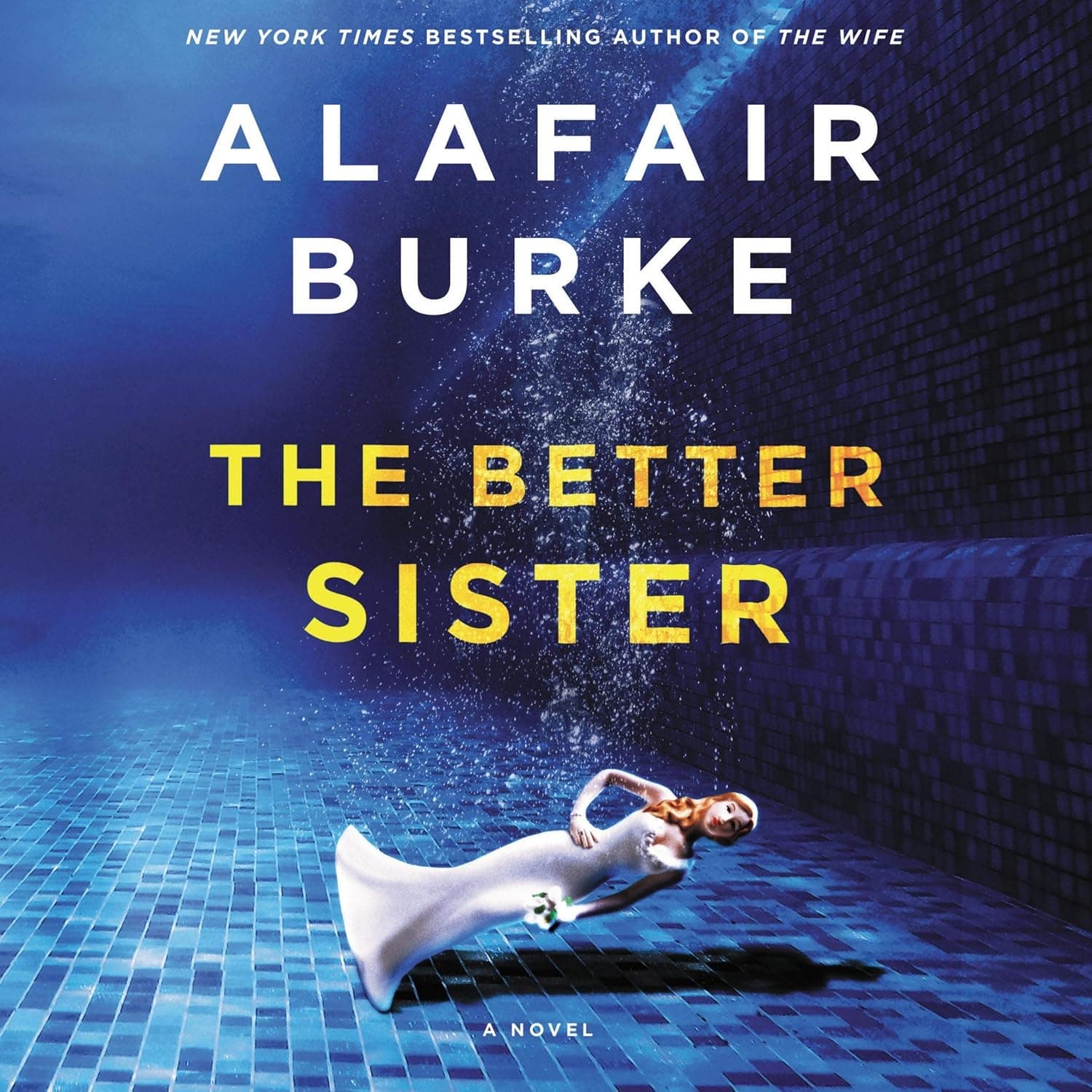
The Swimming Pool: A place associated with leisure becomes the stage for manufactured narrative. By recasting a chaotic incident as Nicky’s maternal failure, Adam transforms water—fluid, ambiguous—into a fixed “proof” of unfitness, the perfect metaphor for gaslighting.
Adam’s Gun: Purchased for “protection,” the gun instead signals escalating paranoia and control, especially when Ethan brings it to school. A symbol of supposed safety becomes an instrument of domestic terror, exposing how fear can be cultivated to maintain power.
Contemporary Relevance
Burke’s focus on gaslighting, coercive control, and public disbelief resonates in the post-#MeToo era, where credibility and image still mediate whose pain counts. Chloe’s “Them Too” work amplifies the irony: a polished advocate privately living what she condemns, reflecting how success and social capital neither prevent abuse nor guarantee belief. The novel cautions against mistaking visibility for safety and warns how narratives about “perfect victims” silence those, like Nicky, who don’t fit the mold. Its insistence on confronting uncomfortable truths—inside families and institutions—suggests that breaking cycles requires both personal courage and collective change.
Essential Quote
I wasn’t going to let him break our son.
Nicky’s declaration distills the theme’s core: abuse as a generational force that either propagates or is interrupted, at a cost. The line frames her crime as a desperate act of protection, implicating the failures of family and society that left her believing violence was the only way to stop violence.