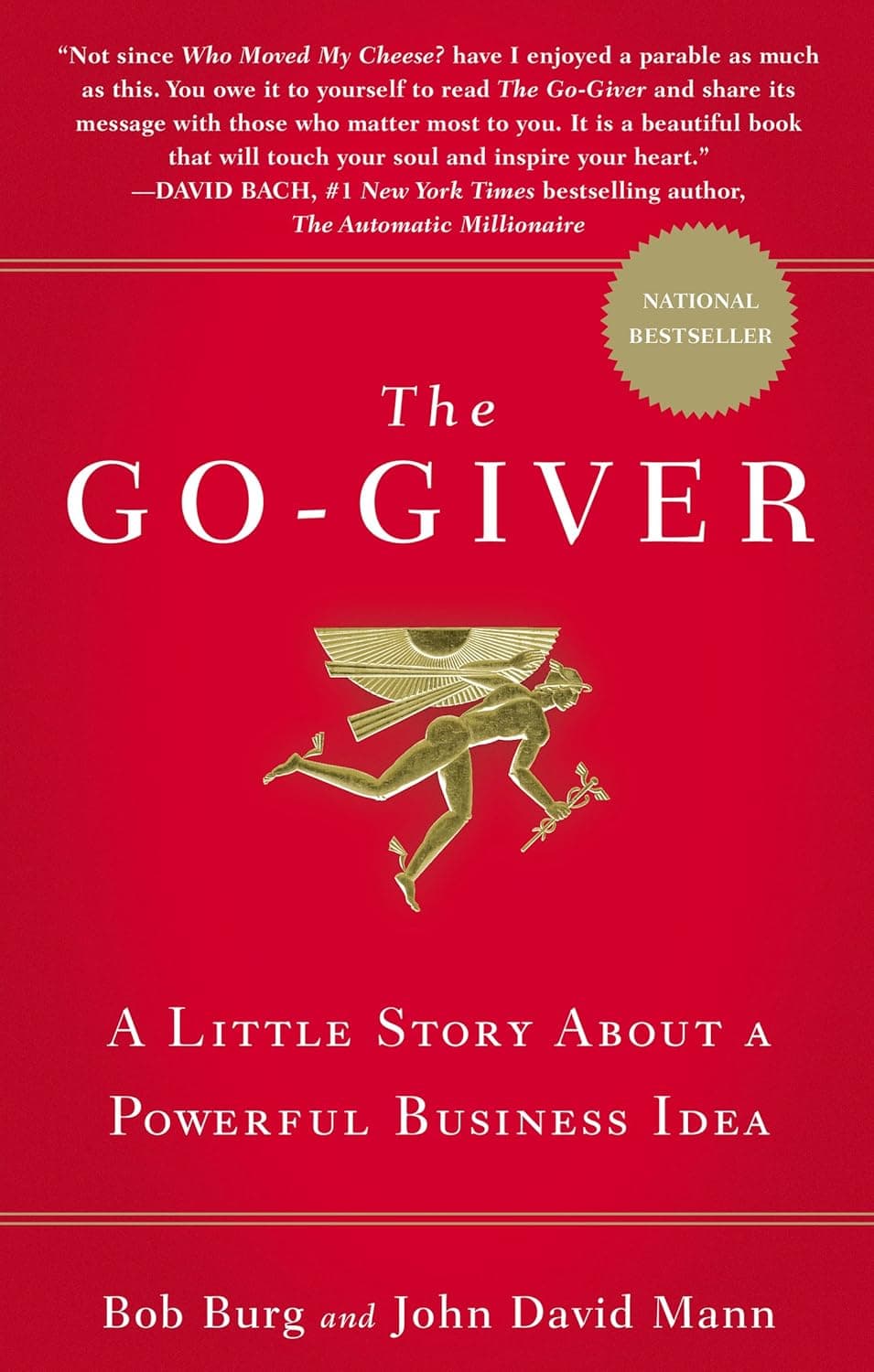
Elizabeth Bushnell (Mrs. B. / Aunt Elle)
Quick Facts
- Role: Wealthy philanthropist, mentor, and benefactor (“Mrs. B.”; “Aunt Elle”)
- First appearance: Chapter 11 (serving at the breakfast program)
- Key relationships: Gillian Waters, Jackson Hill, The Coach (George Henshaw)
- Signature ideal: Lives out the The Go-Giver Philosophy of Value Creation with quiet, decisive generosity
Who They Are
Bold, beloved, and disarmingly humble, Elizabeth Bushnell is the book’s clearest proof that real power is measured by what you give away. Her public reputation as a titan of philanthropy is matched by her private habit of service; she’s the person who can sign a lifesaving loan—and also the person ladling oatmeal at dawn. She doesn’t lecture about value creation; she enacts it, turning wealth into dignity, opportunity, and belonging for others.
Her presence is defined less by appearance than by atmosphere. When Gillian first meets her, Elizabeth is “an elderly woman in a hairnet” and thin rubber gloves—an image that strips away status and centers service. Later, the small, precise gesture of pushing her glasses up and offering “an almost smile” becomes its own kind of benediction: mentorship delivered as warmth, not display. The minimal physical detail keeps attention on her deeds and the moral gravity of her choices.
Personality & Traits
Elizabeth functions as a moral north star—graceful, unhurried, and utterly consistent. Her virtue is active, not abstract: she meets concrete needs while guarding people’s self-respect. What keeps her from feeling saintly or distant is a playful wit and a ready empathy that make her mentorship feel like family.
- Generous and humble: She runs a daily breakfast program and serves food herself, refusing distance from the people she helps. When Jackson’s company is on the line, she signs without hedging, reframing the rescue as a chance to do “something special for animals.”
- Wise and insightful: She moves beyond charity-as-supply, insisting that dignity matters as much as calories. Her teaching—“gratitude is the secret to all magnificent success”—grounds ambition in thankfulness, not hunger for status.
- Empathetic and kind: She treats children like “royalty,” noting that “malnourishment…comes in many forms,” recognizing emotional and social hunger alongside physical need.
- Nurturing and mentoring: A longtime coach to others (including the Coach), she spots promise quickly and invites Gillian into her inner circle, offering validation that catalyzes Gillian’s future.
- Sharp and playful: Her banter with the Coach—cheerfully parrying the “crazy old bat” tease—reveals the security and lightness that come from a well-set moral center.
Character Journey
Elizabeth is a deliberately static character: she doesn’t change; she changes people. Introduced fully formed as a woman of grace and means, she spends her limited page-time modeling how influence works when it’s grounded in service rather than leverage. In Chapter 11, she dignifies children with breakfast and belonging; in Chapter 13, she dignifies Gillian and Jackson with trust. Her constancy supplies the story’s moral ballast and a living contrast to Genuine Influence vs. Manipulation: she draws people forward by offering genuine value, never by exerting pressure. The arc belongs to those she lifts; her triumph is their transformation.
Key Relationships
-
Gillian Waters: Elizabeth recognizes a younger version of herself in Gillian and answers potential with access—financial backing, yes, but more crucially, personal endorsement. Inviting Gillian to call her “Aunt Elle” converts mentorship into kinship, giving Gillian the confidence and community to act boldly.
-
The Coach (George Henshaw): Their long friendship is built on mutual respect and shared philosophy. Elizabeth once mentored him in business; now, their playful sparring and easy shorthand show how her principles have become his playbook, making her the living source behind his teachings.
-
Jackson Hill: Jackson’s mission—caring for “angels clothed in fur”—aligns perfectly with Elizabeth’s love for “sweet, sweet creatures.” Her rescue of his company isn’t transactional; it’s a vote of confidence in a vision that converts compassion into sustainable enterprise.
Defining Moments
Elizabeth’s defining scenes braid service, wisdom, and decisive action—the daily and the dramatic supporting the same ethic.
-
The Breakfast Program (Chapter 11): Elizabeth serves children while speaking about dignity and self-respect.
- Why it matters: It’s philosophy incarnate—aid that nourishes both body and identity, showing that value creation starts with how you treat people, not just what you give them.
-
The Rescue (Chapter 13): She provides the signature that saves Jackson’s company and activates the Gillian–Jackson partnership.
- Why it matters: The moment reframes philanthropy as partnership; her capital is also confidence, and that trust multiplies value across people and purpose.
-
“Call me Aunt Elle” (Chapter 13): After securing the loan, she offers Gillian intimacy and belonging, not just resources.
- Why it matters: Mentorship becomes family—a model of influence built on connection, where identity and opportunity are given together.
Essential Quotes
“Every one of these children needs food in their bellies,” said Mrs. B. “Providing that is the easy part. We also make sure we send them off with some self-respect and dignity under their belts. Malnourishment, sad to say, comes in many forms.”
- Chapter 11
This reframes charity as a holistic practice. Elizabeth insists that real help protects a person’s sense of self, widening the definition of “malnourishment” to include hunger for esteem and belonging. It’s a thesis statement for her work and the book’s ethic.
“I’ve always wanted to do something special for animals. They give us so much love and loyalty, and ask so little in return. Sweet, sweet creatures.”
- Chapter 11
Her rescue of Jackson’s venture stems from affection, not optics. By honoring animals’ quiet generosity, she models reciprocal gratitude—using her power to repay a debt of love that can’t be tallied in money.
“Gratitude,” she said. “Same root word as grace and gracious. From the Latin gratia, meaning favor, esteem, regard, a pleasing quality, goodwill, and before that from earlier roots meaning to announce, sing, praise, celebrate. In English, its first meaning was more like divine favor, love, or assistance—typically unmerited assistance, by the way, but freely given anyway. Grace. Wonderful, wonderful word.”
- Chapter 11
Elizabeth turns etymology into ethics. By tracing gratitude back to grace and unmerited favor, she grounds success in a posture of praise rather than possession—why her giving feels joyful, not dutiful. It’s the spiritual engine powering her practical generosity.
“And why don’t you call me Aunt Elle. All my close friends do.”
- Chapter 13
A title becomes a transfer of belonging. With this invitation, Elizabeth moves Gillian from mentee to family, signaling that influence is anchored in relationship. The new name confers trust—and with it, a future.