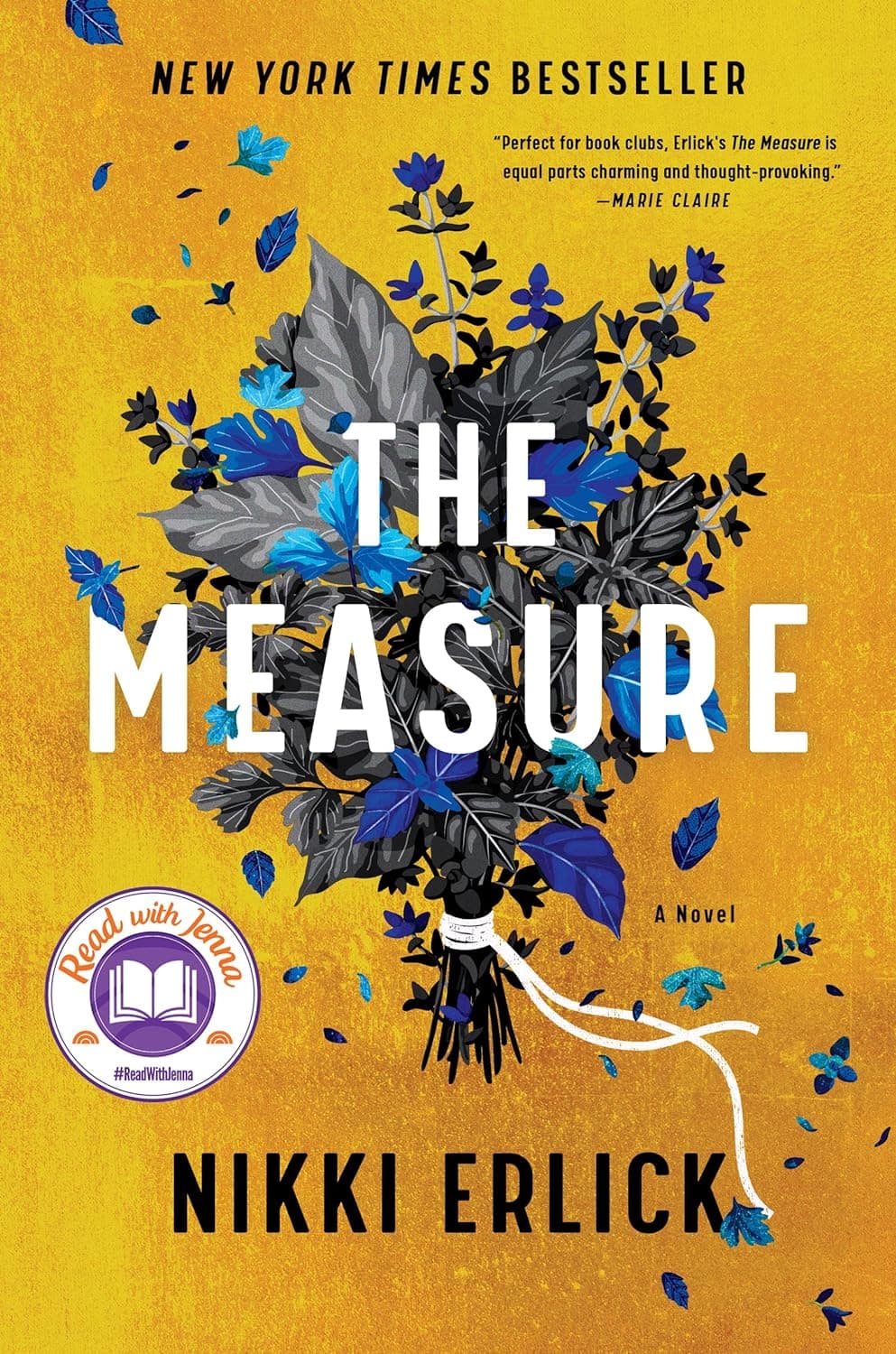
Opening
A set of letters, a friendship on the brink, and a journey abroad converge to test what a “good life” means in a world ruled by strings. As private grief spills into public fracture, small acts of honesty and wonder push back against fear. In these chapters, intimate choices collide with political power, and moments of beauty reframe fate itself.
What Happens
Chapter 51: Dear A
BEN writes to “A” from a place of exhaustion and grief. He recalls a college friend who set a yearly reminder—“Are you happy?”—and admits the question now feels like a taunt in a world where strings predetermine who gets to imagine a happy ending. He watches a cruel lottery unfold: some keep their narratives of longevity while short-stringers are quietly pushed toward lives that “deserve less.”
He notes the fallout: long-string friends drift away; the media labels short-stringers “wild” and “unhinged”; public policies widen the rift. He apologizes for the bleakness, sharing that a friend has just died. Writing is easier than speaking in his support group, easier than naming aloud the sense that society has decided his future is smaller. The letter deepens the fracture of Discrimination and Social Division as lived experience, not abstraction.
Chapter 52: Amie
AMIE sits in the teachers’ lounge, rereading Ben’s letter, and realizes she’s part of the problem. She has been careful, overly gentle, treating him as “breakable, delicate, different”—exactly the behavior he describes. She thinks of NINA and MAURA as rare people who cross the gap between long- and short-stringers rather than widening it.
On a walk through Washington Square Park, Amie and Nina pass graffiti—“What if YOU had a short string?”—a question Amie refuses to face because she puts her hope in not knowing. She confesses how hard it is to be a pen pal to a short-stringer and wonders how Nina and Maura bear their reality. Would she date a short-stringer? Maybe. Would she marry one? She hesitates. She wants children; she imagines choosing a future steeped in loss. Nina answers with clarity: it means Amie doesn’t yet know what she’s capable of. The sisters end the talk by dancing to a street jazz quartet—a fleeting, defiant joy—bringing the tension of Love, Loyalty, and Sacrifice into sharp focus.
Chapter 53: Javier
JAVIER meets JACK at a boxing studio, furious that Jack’s uncle, presidential candidate ANTHONY ROLLINS, paraded their fabricated short-string story during a national debate. Jack shrugs it off—“a dick move”—more annoyed by texts than by the harm. Javier presses: Rollins also spearheaded the STAR Initiative, the policy that pushed them to lie.
Jack admits he knew. He claims confronting his uncle is pointless and dangerous—he’d be cut off from a family all-in on the campaign. He suggests Rollins is just tapping into a broader mood. Javier pushes back: leaders pour “fuel on the fire,” and that climate already led to a doctor’s murder. Jack says his uncle’s “fuckups” aren’t his problem. Javier lands the blow that ends the conversation: they became his problem the moment Rollins put their story—and their relationship—onstage. The manager steps in; Jack storms out. Their first real fight lays bare the costs of Power, Politics, and Social Control.
Chapter 54: Dear B
Amie writes back to Ben, naming the cultural habit behind long-string avoidance: modern society hides death—out of homes and into hospitals, out of neighborhoods and into distant cemeteries—unlike the Victorians, who lived with mortality in plain sight. Short-stringers become the newest truth people refuse to look at.
Then she turns to hope. Everyone deserves happiness; a short string doesn’t erase the possibility. She reframes the inscription—The measure of your life lies within—arguing that “living long is not the same as living well,” and that the string cannot be the only measure. There are countless, truer metrics that reside inside a person: courage, love, joy, art, devotion. She urges Ben to claim his own standard, aligning herself with the book’s core question of The Meaning of a ‘Good’ Life.
Chapter 55: Maura
In Venice’s crowded lanes, Maura and Nina notice a new kind of traveler—pilgrims and bucket-listers racing time. They duck into the city’s quiet alleys, where Maura sees Venice itself as a metaphor: a place perpetually patched against water and fate, mirroring her own fight with Confronting Mortality.
A mask shop draws them in. The elderly owner explains that Venetians once wore masks daily, dissolving class and granting anonymity. To Maura, the mask feels like the long-string experience: a temporary invincibility, a freedom from being defined by fate. When she asks how Italy handled the strings, the woman says most people chose not to look. But the reason isn’t denial so much as clarity: Italy already knows to put art, food, passion—and family—first. The strings changed less because the priorities were already set.
Character Development
The section pivots characters toward honest reckoning—some stepping into courage, others retreating into comfort, all forced to define what loyalty and a “good life” demand.
- Amie: Moves from unconscious bias to self-awareness, then articulates a philosophy that decouples length from value; she admits her limits and keeps the door open to growth.
- Ben: Sinks into grief and isolation yet seeks community through a support group and letter-writing; his honesty becomes a catalyst for others’ change.
- Javier: Confronts complicity and power head-on, prioritizing justice over harmony; refuses to let private loyalty excuse public harm.
- Jack: Reveals passivity and self-protection; prioritizes family status and access over moral accountability and friendship.
- Maura: Craves escape from the weight of the string; the Venetian mask sharpens her longing to feel untouchable, even briefly, and affirms her hunger for meaning over fear.
Themes & Symbols
The chapters trace discrimination’s everyday mechanics: policy becomes narrative, narrative becomes stigma, and stigma erodes friendships and public safety. The political apparatus doesn’t merely reflect fear—it amplifies it, pushing people like Ben to the margins and daring allies like Javier and Amie to choose a side.
At the same time, the letters and the Venice interlude argue that the good life isn’t measured in inches of string but in texture—art, love, kinship, joy, courage. The masks embody the ache to slip free of labels—short or long, safe or doomed—while Venice, endlessly repaired, embodies human defiance against the tide. Together they propose an answer: meaning persists not by outlasting fate but by outloving it.
Key Quotes
“Are you happy?”
Ben resurrects a once-innocent question to expose how the strings distort even ordinary self-reflection. The refrain becomes a critique of a culture that equates happiness with longevity and stability.
“Maybe he’s just tapping into something bigger.”
Jack minimizes Rollins’s agency, reframing leadership as mere reflection. The dodge lets him avoid moral responsibility, which is exactly what enrages Javier.
“Your uncle’s fuckups shouldn’t be my problem.” / “Well, they became your problem when he stood on that stage and told the whole world about you. About us.”
This exchange crystallizes the personal stake of public rhetoric. Javier’s retort makes clear that political spectacle has invaded their private lives, breaking the illusion that Jack can opt out.
“Living long is not the same as living well.”
Amie’s thesis unhooks worth from duration. It reframes the box’s promise as an inward metric, opening space for dignity and joy regardless of the string.
“The measure of your life lies within.”
Reinterpreted, the inscription becomes an ethic: identity, love, and purpose—not prognostics—set the value of a life.
“We already put the art first, the food first, the passion first… And we already put the family first.”
The shopkeeper’s perspective offers a cultural counterpoint. If priorities are clear, the strings lose their power to reorder a life.
Why This Matters and Section Significance
This sequence raises the stakes on every front. Javier and Jack’s rupture translates political ideology into personal loss, showing how power structures rewrite loyalties and endanger truth. Amie and Ben’s letters counter that corrosion with radical candor, proposing a measure of life no policy can ration. Maura and Nina’s Venetian detour widens the lens, suggesting that culture can inoculate against fear by enshrining art, pleasure, and family.
Together, these chapters reposition the novel’s core conflict: not whether the strings dictate fate, but whether people will let fear dictate the meaning of their lives.