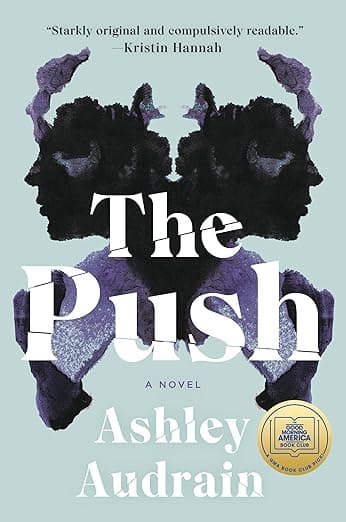
Opening
These chapters trace how Blythe Connor pivots from surviving motherhood to chasing a second chance. A neighbor’s remembered tenderness, a new house, and a new pregnancy promise renewal even as Blythe’s marriage to Fox Connor frays and her relationship with Violet Connor darkens. Hope rises—and so do the stakes.
What Happens
Chapter 31: A Little Girl
At ten, Blythe visits her elegant neighbor, Mrs. Ellington, who invites her into the Ellingtons’ soft, private bedroom. The warmth and order feel foreign to Blythe, a startling contrast to her own home and the cold neglect of her mother, Etta.
Mrs. Ellington confides that she was pregnant but lost the baby. Blythe doesn’t understand miscarriage, and Mrs. Ellington explains gently, her beauty edged with grief. She tells Blythe the baby was a girl and touches Blythe’s nose, whispering that she might have had a daughter just like her. In this sanctuary, Blythe witnesses maternal love, vulnerability, and honesty—qualities missing from her own childhood.
Chapter 32: A Quick Closing
Three months after the playground trauma, Blythe and Fox buy a new house. The move lifts the “fog” in Blythe’s mind; Violet sleeps again; the old apartment’s grip loosens. Blythe packs away Violet’s baby things in the second bedroom, murmuring they’ll need them again “sooner or later.” Fox hesitates, his face giving away what his words won’t.
That night, on a floor mattress in their bare room, Blythe whispers, “We’ll be happy here.” Fox answers, “I thought we always were,” a reply that erases Blythe’s years of struggle. The moment crystallizes their growing distance and the quiet cruelty of Marital Breakdown and Betrayal.
Chapter 33: Redemption
Blythe becomes determined to have another child—her “redemption.” She wants to prove she can mother differently, defying the dark legacy her own mother warned her about: “Blythe, the women in this family, we’re different.” Her desire pits hope against the weight of Nature vs. Nurture and Generational Trauma.
One night, she initiates sex with a tired Fox. Violet appears in the doorway. Fox panics, shoves Blythe off, and blames her. In the morning, Blythe overhears Violet telling Fox that she hates her and wishes she would die. Fox can only say, “Violet, she’s your mom.” The dismissal isolates Blythe and embodies The Dark Side of Motherhood and Perception, Reality, and Gaslighting. Still, Blythe begs to try for a baby, and Fox reluctantly agrees.
Chapter 34: The Mother and the Child
Pregnant, Blythe watches a mother at school drop-off say goodbye to her son with a love so intense it seems to ache. Blythe longs for that fluency, a language she and Violet don’t share. When she feels the new baby move, she promises to be better “with the one who came next.”
On her way home, she buys a replica Mary Cassatt painting of a mother and child, a serene embrace radiating “palpable love.” She hangs it in the nursery. Fox finds the choice unusual—Violet had baby animals on her walls. The painting becomes Blythe’s emblem of ideal motherhood, a vision she can look at and strive to inhabit. Its irony stings: Cassatt never had children.
Chapter 35: Mother and Son
Blythe learns she’s having a boy, Sam Connor. Instantly, she feels the bond she never felt with Violet—she and her unborn son are “happily each other’s worlds.” Fox grows more distant, absorbed by work, but Blythe needs less from him as her connection to Sam deepens.
The pregnancy softens things with Violet. Together, they fold baby clothes. Violet perfectly mimics the bouncing motion Blythe used to soothe her as an infant, proof that tenderness once existed between them. In the laundry room, Blythe, Violet, and the baby inside her “dance” together—a fragile, flickering image of the family Blythe hopes to build.
Character Development
Blythe reframes motherhood as a test she can pass the second time, even as her marriage thins and her first child’s hostility hardens. The section widens the gap between the mother Blythe longs to be and the life she actually leads.
- Blythe Connor: Channels fear of inheritance into purpose; the pregnancy ignites immediate, sustaining attachment and a renewed belief in herself.
- Fox Connor: Retreats into work and denial; his “I thought we always were” erases Blythe’s pain and signals emotional abdication.
- Violet Connor: States open hatred for her mother, yet recalls an intimate soothing gesture, complicating the narrative of lifelong estrangement.
- Mrs. Ellington: Functions as a tender countermother; her openness about loss imprints Blythe’s sense of what loving motherhood can look like.
Themes & Symbols
These chapters stage a battle between hope and history. Blythe counters the weight of generational damage by choosing pregnancy, a deliberate act meant to prove nurture can rewrite nature. Yet the household’s unresolved pain—Violet’s rage, Fox’s denial—shows that love alone can’t outrun what a family refuses to face.
Motherhood’s shadow stretches across every scene: miscarriage reverberates in Blythe’s memory; Violet’s cruelty wounds in the present; the Cassatt painting projects a dream of effortless intimacy. The new house promises a reset, but it only reframes old tensions. Symbols sharpen the conflict: the house as a false eraser of the past, and the painting as a beautiful mirage—an ideal Blythe wants to step into, even if it was imagined by someone outside motherhood.
Key Quotes
“She was a little girl. I would have had a daughter... Just like you.”
Mrs. Ellington’s confession becomes Blythe’s first experience of loving, articulate maternal grief. It plants a model of tenderness and truth-telling that Blythe craves to embody.
“We’ll be happy here.” / “I thought we always were.”
Blythe voices need and possibility; Fox negates her reality in a single line. The exchange exposes their misalignment and prefigures emotional abandonment.
“Blythe, the women in this family, we’re different.”
This inherited warning haunts and motivates Blythe. Her second pregnancy is a refusal to accept that difference as destiny.
“I hate her and I wish she would die.” … “Violet, she’s your mom.”
Violet’s words make Blythe’s fears explicit; Fox’s limp reply withholds protection. The moment freezes Blythe at the intersection of rejection and disbelief.
“Happily each other’s worlds.”
Blythe’s phrase for her bond with Sam reveals both genuine attachment and the risky consolidation of her identity around the new baby.
Why This Matters and Section Significance
This stretch marks a pivot from endurance to action: Blythe stakes her future on a second child who might redeem her sense of self and rewrite a painful lineage. The promise of Sam intensifies every relationship around him—softening Violet briefly, sidelining Fox, and sharpening Blythe’s hunger for the ideal captured by the Cassatt painting. The result is a fragile equilibrium built on denial and desire, setting up the profound joy and looming heartbreak that drive the story forward.