Opening
Rachel Price walks back into her family’s life and turns the house into a pressure cooker. As the public celebrates a miracle, Bel quietly collects proof that Rachel’s story doesn’t add up, pushing the family toward a showdown over Truth, Lies, and Deception while cameras circle and loyalties fracture.
What Happens
Chapter 11: An Unsettling Homecoming
Tension clings to the Price house as Annabel 'Bel' Price, Charlie Price, and the newly returned Rachel Price try—and fail—to act like a family. After Rachel goes upstairs to shower, Bel grills Charlie about inconsistencies and whether Rachel might be lying. Charlie refuses to entertain it, insisting she’s survived something horrific and deserves their belief, a fault line that centers Truth, Lies, and Deception early.
Over pizza and a violent fantasy show, Rachel shares unsettling details: her captor never touched her, sometimes just watched; she wrote stories about Bel and Charlie to stay sane. The attempt at normalcy curdles into dread. That night, Bel pretends to sleep as Rachel slips into her room and silently watches her before leaving. The intimacy of the moment feels predatory, turning Bel’s unease into fear and complicating The Complexity of Family Bonds.
Chapter 12: Family Reunions and Unwelcome Guests
Morning brings forced motherliness: Rachel makes Bel coffee and prods her about school and friends, which only heightens Bel’s discomfort. Charlie reveals that his father, Patrick 'Pat' Price, has dementia and that Rachel’s dad died years ago—time’s damage made visible. Then the extended family—Jeff Price, Sherry Price, and Carter Price—arrives. Rachel’s warmth flips on like a switch—hugging, cooing “sweetie”—a stark contrast to her stiffness with Bel and Charlie.
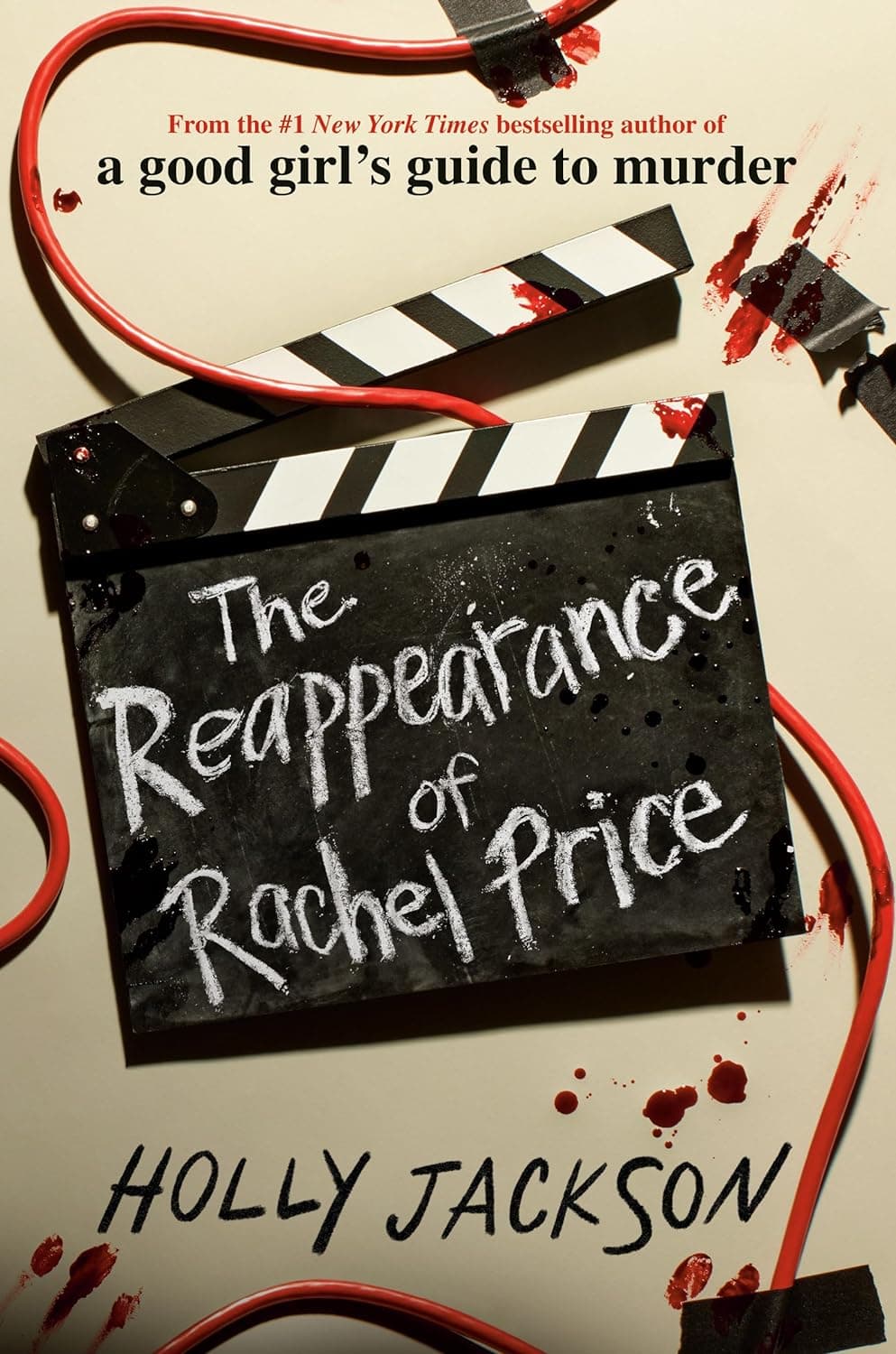
The doorbell brings Ramsey Lee and his crew, including Ash Maddox. They’ve heard the rumor and are already filming. Charlie shuts it down, ordering them to wait for the official press conference. Before they go, Rachel asks the documentary’s title. “The Disappearance of Rachel Price,” Ramsey says; they’ll have to change it now. The invasion makes clear that the family’s private trauma is a public spectacle.
Chapter 13: Mistakes and Motives
After a televised press conference where the Prices perform unity, Charlie flees to work, leaving Bel alone with Rachel. Rachel makes Bel’s favorite sandwich, asks for Charlie’s credit card to buy essentials, and suggests a mall trip—maternal gestures that feel off-script to Bel.
Then Rachel slips: “locked inside for fifteen years.” Bel corrects her—sixteen. Rachel calls it a slip of the tongue, but it’s strike two after the car-engine discrepancy from Chapter 1-5 Summary. To avoid being alone with Rachel and to force transparency, Bel proposes inviting the documentary crew to film Rachel’s return to the mall where she vanished. Rachel reluctantly agrees, boxed in by optics.
Chapter 14: Three Lies
At White Mountains Mall, Rachel balks at the cameras but plays along. In the fitting room, she and Bel share a fleetingly normal moment until Bel spots a large, old scar on Rachel’s ankle that has never been mentioned. Then the clincher: Rachel casually references a gold skull bracelet Bel used to own. Impossible. That bracelet was a gift from an ex-friend years after the disappearance; the only record is a single old Instagram photo. Rachel doesn’t have a phone and hasn’t had time to scroll.
The only way Rachel could have known about the bracelet was if she’d seen this photo after she reappeared. But that wasn’t possible either. Rachel didn’t have a phone yet... There was no way Rachel could have seen this photo online since Saturday. So how the fuck did Rachel know about the bracelet if she came out of the basement just two days ago? The answer was clear this time: she couldn’t.
With the bracelet, the “fifteen years,” and the engine detail, Bel tallies three lies. Overwhelmed, she shoplifts a lip balm—a tiny theft to reclaim control. Outside, Ash calls the scene “unbelievable,” a word that lands like confirmation: Rachel’s story isn’t to be believed.
Chapter 15: An Army of One
School becomes a gauntlet of reporters and rubberneckers. Bel tries to recruit Carter as an ally, laying out the inconsistencies. Carter refuses, framing Bel’s doubts as cynicism—normal people accept miracles; Bel doesn’t.
After school, Rachel pulls up in a newly purchased secondhand car, bright and eager to ferry them home. Bel lies about a group project and walks away, leaving Carter to ride with Rachel. The act draws a line in the sand: Bel will not be trapped, will not pretend. With her house no longer safe and her family unwilling to listen, she considers an unconventional ally and a new path forward.
Character Development
Bel shifts from gut suspicion to methodical investigator, assembling proof and refusing the family script of blind belief. Isolation hardens her resolve.
- Bel: Moves from unease to certainty after catching three lies; uses the film crew strategically; shoplifts as a pressure valve and assertion of agency.
- Rachel: Performs the roles of victim and mother, but inconsistencies, a mysterious scar, and knowledge she shouldn’t have crack the facade; her late-night watching of Bel feels menacing.
- Charlie: Chooses stability over scrutiny; escapes to work and clings to the hope of normalcy, leaving Bel unprotected.
- Carter: Functions as the community’s voice of faith; her dismissal of Bel’s evidence deepens Bel’s loneliness.
- Ash: Observant, professional, and quietly sympathetic; his “unbelievable” comment mirrors Bel’s conclusion and hints at potential alignment.
Themes & Symbols
These chapters pivot the narrative from reunion to investigation, centering Truth, Lies, and Deception. Bel’s catalog of contradictions—the engine detail, “fifteen years,” the bracelet—exposes how a convincing persona can hide fractures. Small slips become seismic because the stakes are intimate: if Rachel lies, then the family’s healing is a performance.
The Complexity of Family Bonds surfaces in the split between the core trio’s stiffness and the extended family’s easy affection. Love, obligation, and image clash; the person who returned may not be the person they lost. Bel’s Identity and Self-Discovery accelerates as she stops waiting for answers and starts creating them, defining herself against a narrative everyone else wants to believe.
The cameras function as symbol and tool. The documentary crew embodies voyeurism and the commodification of trauma, yet Bel flips that gaze into a shield—safety in visibility, leverage in publicity.
Key Quotes
“Locked inside for fifteen years.”
A tiny miscount becomes a wedge. In a story where time is the entire point, getting the number wrong undercuts Rachel’s credibility and validates Bel’s vigilance.
“We’ll have to change the name now.” — Ramsey Lee, on The Disappearance of Rachel Price
This quip reveals the media’s priorities: narrative first, people second. It also foreshadows the coming reframing—from disappearance to reappearance to deception.
The only way Rachel could have known about the bracelet was if she’d seen this photo after she reappeared... So how the fuck did Rachel know about the bracelet if she came out of the basement just two days ago? The answer was clear this time: she couldn’t.
Bel’s interior logic turns the bracelet into definitive proof. The reasoning is airtight and marks the moment she crosses from doubt to conviction.
Why This Matters and Section Significance
Chapters 11–15 mark the story’s true turning point. The central question shifts from what happened to Rachel to whether Rachel is who she says she is. Bel becomes the protagonist-detective, Rachel the likely antagonist, and the support system around Bel falls away—first Charlie, then Carter—raising the stakes and isolating her pursuit of truth. With public attention intensifying and private safety eroding, the stage is set for a psychological battle where seeing—and being seen—might be the only protection.