What This Theme Explores
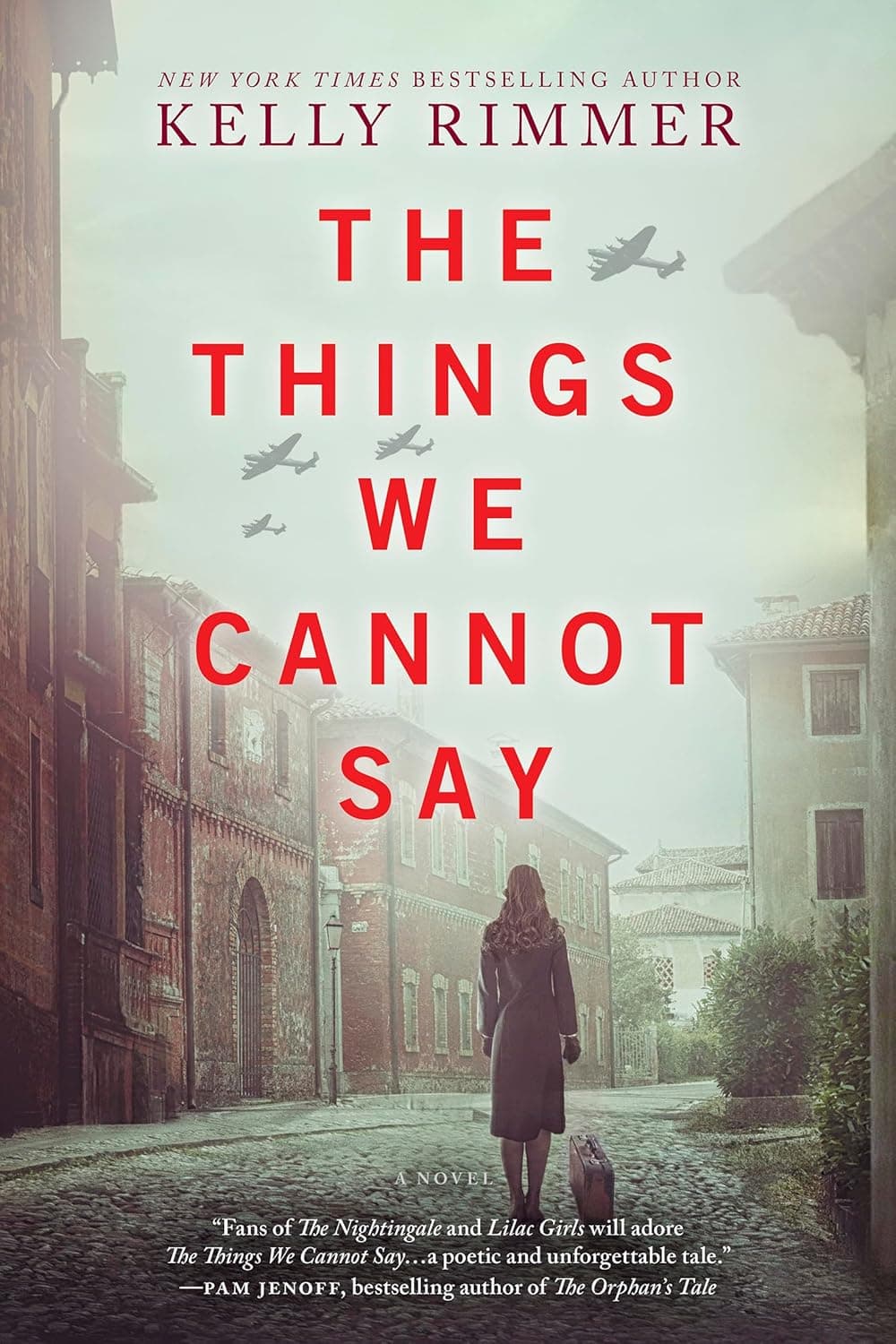
Family Legacy and Intergenerational Connection in The Things We Cannot Say asks how the untold past scripts the present—and whether love, silence, and sacrifice echo more loudly than words. Through the parallel stories of Alina Dziak and her granddaughter Alice Michaels, the novel probes what children inherit beyond blood: grief that has no language, courage that outlives catastrophe, and the costs of protecting those we love from the truth. It challenges the idea that secrets die with their keepers, showing instead how they reappear as distance, misunderstandings, and longing in the next generation. Ultimately, it suggests that reclaiming family history is not nostalgia but an act of healing—one that stitches generations together.
How It Develops
The novel begins by turning legacy into a mystery: a stroke robs Babcia of speech, and in the crisis of the Prologue through the Chapter 6-10 Summary, her fragmented messages about “Tomasz” and a hidden “box” compel Alice to step into the past. Their tender bond stands in stark contrast to Alice’s brittle dynamic with her mother, Julita Slaski-Davis, signaling that something vital failed to pass from mother to daughter—and that Alice may be the one to mend the broken link.
In the middle movement, spanning the Chapter 11-15 Summary through the Chapter 26-30 Summary, Alice goes to Poland and turns abstraction into evidence. Walking the roads Alina walked, she finds addresses and names that reframe family lore as lived struggle, and meets a lost branch of kin through Emilia Slaski. Alina ceases to be only a beloved grandmother and becomes, for Alice, a young woman of nerve and endurance whose choices still pulse in the present.
By the end—culminating in the Chapter 31-35 Summary and the Epilogue—the narrative fuses past and present in an emotional video call between Alina and Emilia. The truth of Tomasz Slaski’s sacrifice and the revelation that Saul Weiss is Alice’s biological grandfather do not simply resolve a puzzle; they recalibrate relationships in the present, softening long-held defensiveness and opening Julita to reconciliation. The family’s return to Poland—three generations carrying ashes and memory—formalizes the legacy, transforming inherited silence into shared story.
Key Examples
-
Babcia’s urgent, post-stroke plea to be understood launches the plot and literalizes the novel’s title: the most important truths are the ones she cannot speak. With the help of Eddie Michaels’s AAC device, her halting words become a bridge between generations, inviting Alice to complete the conversation history left unfinished. The technology becomes a conduit for legacy, proving that connection will find a way even when language fails.
-
In Alina’s youth, her mother’s wedding ring—introduced in the Chapter 1-5 Summary—passes hope from mother to daughter. The ring is not wealth but a promise of continuity: love has survived before and can again. Its endurance through war and separation makes it a portable lineage, a private vow that the future is worth protecting.
-
After Aleksy Slaski’s execution, Alina claims responsibility for Emilia, insisting, “She is my family too!” This choice expands kinship beyond bloodline to include chosen bonds forged by grief and duty. Decades later, that decision unwinds the knot of the family’s history, guiding Alice toward the truth Emilia safeguards.
-
The FaceTime reunion between Alina and Emilia closes the gap opened by occupation and exile. Hearing each other’s voices allows both women to narrate what silence once guarded, converting private pain into collective memory. The scene models how telling the story—out loud—releases the next generation from guessing at ghosts.
-
The family’s return to Poland in the Epilogue turns remembrance into ritual. By honoring Alina and Tomasz together, the family teaches the youngest generation that legacy is a living practice, not a static archive. The trip’s shared gestures—standing on the hill, visiting the grave—become new memories that carry the old ones forward.
Character Connections
Alina Dziak (Babcia) embodies the paradox of legacy: she is both the wellspring of her family’s story and the keeper of silence that obscures it. Her love for Tomasz, her survival with Saul, and her self-protective reticence create the conditions for both fracture and reunion. Through Alina, the novel shows how withholding can be an act of love—and how, eventually, love requires the truth.
Alice Michaels is the bridge and the interpreter. Motivated by devotion to Babcia and by the strain with Julita she cannot quite name, she becomes the family’s historian, converting scraps (names, rings, photographs) into narrative meaning. Her journey outward to Poland is a journey inward toward identity and a reorientation of her roles as daughter, mother, and granddaughter.
Julita Slaski-Davis personifies the cost of inherited silence. Raised in the shadow of traumas never explained, she learns to armor herself, mistaking distance for safety. When the truth surfaces, her defensiveness softens—not because the past changes, but because its context finally gives her permission to feel and to belong.
Emilia Slaski preserves Tomasz’s memory in Poland, offering the missing half of a story that emigration fractured. She is memory’s custodian, a witness whose testimony restores names and faces to the dead and gives the living the language to grieve rightly. Through Emilia and her descendants, the family tree widens, proving legacy expands when shared.
Symbolic Elements
The Box of Mementos: A portable archive, the box transforms memory into evidence—photos, letters, and keepsakes that convert intuition into certainty. Its hiddenness reflects the family’s silence; its contents, once opened, become an ethical summons to remember.
The Shared Green Eyes: This genetic echo functions as a visual refrain, linking Tomasz, Alina, Alice, and Eddie. The motif insists that even when stories are lost, lineage declares itself, reminding characters—and readers—that connection precedes explanation.
The Farmhouse and Hill: Place anchors identity. For Alina, the land holds first love and first loss; for Alice, standing there collapses time, allowing empathy to replace abstraction. The landscape becomes a testament that history is not only told—it is stood upon.
The Tiny Leather Baby Shoe: Small enough to be overlooked, the shoe carries the heaviest grief: the death of Tikva Weiss and Saul’s unspoken sacrifice. It distills the novel’s title into an object—what cannot be said must still be held, honored, and, eventually, voiced.
Contemporary Relevance
In an era of DNA kits, digitized archives, and diaspora rediscoveries, the novel speaks to our collective impulse to ask, “Who made me, and at what cost?” It mirrors the realities of intergenerational trauma, especially among families shaped by war, persecution, and migration, showing how unprocessed pain can masquerade as temperament or “just the way things are.” The story argues for an ethic of listening—to elders, to artifacts, to place—as a counter to amnesia, teaching that accountability to the past is a form of care for the future. By turning silence into story, families can interrupt cycles of harm and inherit resilience on purpose.
Essential Quote
“‘We don’t have much to offer you for your marriage, but this ring was my mother’s, and it has seen Father and I through twenty-nine years of marriage... I give it to you to bring you fortune for your future—but I want you to hold on to it even now so that while you wait, you will remember the life that’s ahead of you.’”
This blessing turns an object into a lineage, linking three generations through endurance rather than wealth. It encapsulates the theme’s promise: that what is handed down—hope, commitment, the will to keep going—can outlast catastrophe and guide descendants toward wholeness.