Opening
A fragile new beginning takes shape as a part-time job and a month-long garage apartment give the family a foothold. At the same time, Jackson moves from rigid fact-checker to a kid who makes room for wonder—accepting that imagination can tell a different kind of truth. Across a quiet night of bubbles, hugs, and a name from the past, he chooses to enjoy the magic that helps him cope.
What Happens
Chapter 51: A New Plan
While Jackson and his sister Robin wait in the car outside a run-down music store, their parents—Jackson's Dad and Jackson's Mom—negotiate inside. To pass the time, the kids play a bubble-gum game. Robin blurts out that the “magic” purple jelly beans she gave him are just leftovers from a friend’s party and says there’s no such thing as magic. Jackson surprises himself by replying, “Could be magic happens sometimes,” signaling his shift toward the theme of Truth and Imagination.
Their parents return smiling. Jackson’s dad has landed a part-time job at the music store, and the gig includes a temporary garage apartment the family can use for one month. In a candid conversation, the parents stress there are “no guarantees” and that this is only a stopgap—but they’re determined to keep the family together and the kids in their school, modeling Honesty and Communication. The apartment is small and worn, yet Jackson feels relief: it’s a place with “a roof and a door and a family who needed it,” a modest, hard-won emblem of Family and Resilience.
Chapter 52: Magic While I Could
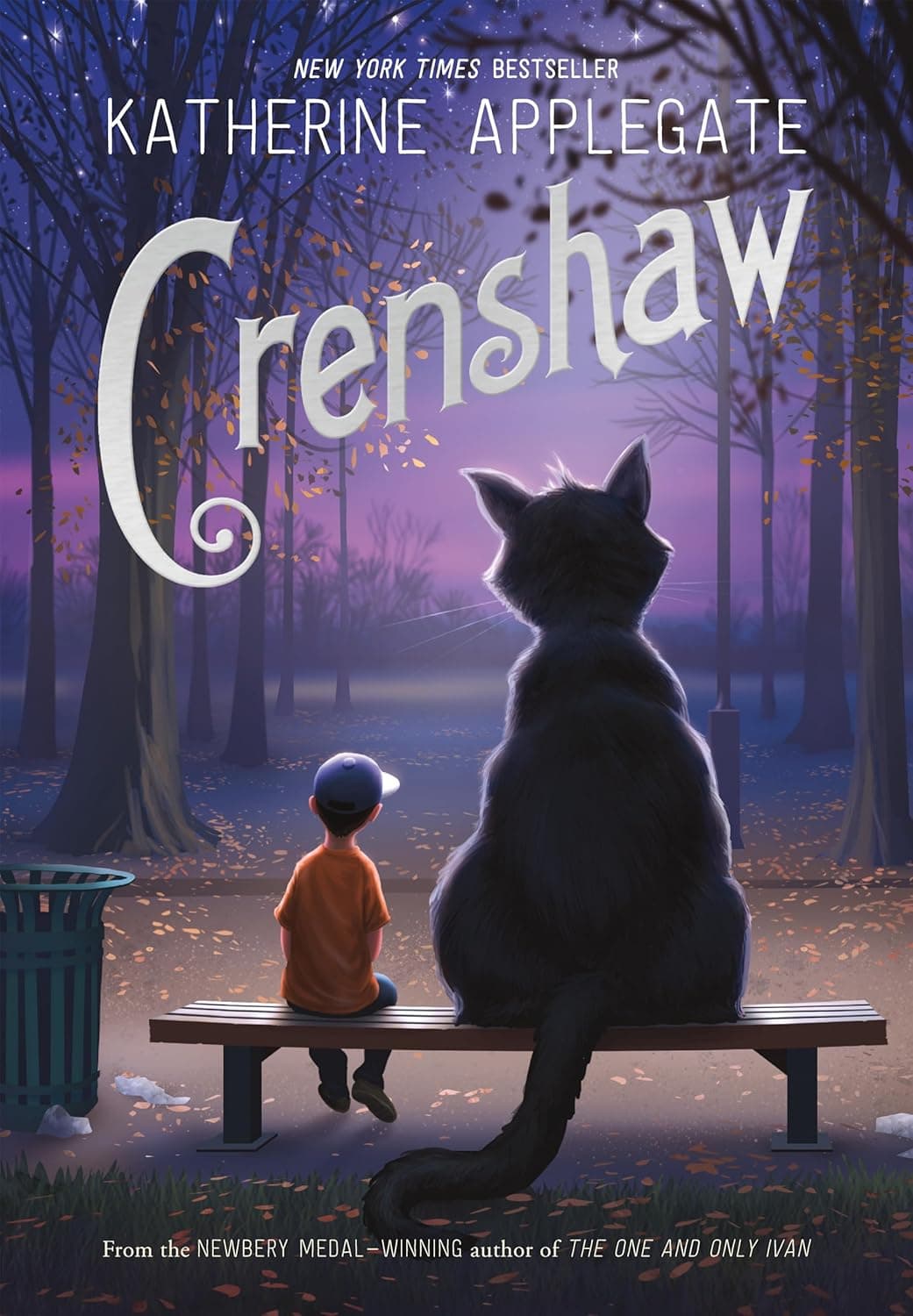
Jackson thinks about an article claiming imaginary friends show up during stress and are eventually outgrown. That clinical take bumps against what Crenshaw tells him: imaginary friends are always “on call,” ready when needed—reframing imagination as a durable tool for Coping with Stress and Trauma. That night, in the new apartment, Jackson wakes to find Crenshaw in the bathroom, luxuriating in a bubble bath and crafting a foam beard.
Jackson’s dad catches him at the doorway. Jackson hugs him hard and says, “I love you… And that’s a fact,” intertwining emotional truth with his need for certainty. Remembering Crenshaw’s story, he asks if his dad ever knew someone named Finian. The “faraway look” that follows is its own answer, hinting that his father also relied on an imaginary friend. Jackson closes the bathroom door after stealing one last glimpse of Crenshaw standing on his head, tail frosted with bubbles. Instead of wishing him away, he squeezes his eyes shut and counts to ten, hoping Crenshaw will stay—and when he looks, he’s still there. Jackson decides that while there’s always a logical explanation, he’s going to enjoy the magic while he can.
Character Development
These chapters pivot from survival logistics to inner acceptance, showing how love, candor, and imagination steady the family.
- Jackson: Moves from fact-only thinking to a balanced view that honors both data and feeling. He comforts Robin about “magic,” openly tells his dad he loves him, and welcomes Crenshaw’s presence.
- Jackson’s Dad: Secures a job and temporary housing, pairing action with clear-eyed honesty. His implied connection to Finian links his childhood coping to Jackson’s.
- Robin: Plays the skeptic, confessing the jelly beans aren’t magic. Her admission prompts Jackson’s protective, newly flexible stance.
- Jackson’s Mom: Steady and truthful, she underscores the family’s resolve and keeps attention on staying together and in school.
Themes & Symbols
Jackson’s family edges toward stability without pretending their situation is solved, reflecting Poverty and Homelessness. The music-store job and one-month apartment are fragile wins that honor the grind of survival over quick fixes.
The arc resolves the tension between Truth and Imagination: facts map the hard terrain, while imagination offers warmth and courage to walk it. Through candid family talks—Honesty and Communication—and collective grit—Family and Resilience—the book argues that imagination isn’t denial; it’s a companion that helps carry weight. That companionship becomes a practical form of Coping with Stress and Trauma, passed from parent to child.
Symbols:
- Bubbles: Light, playful, and fleeting—Crenshaw’s bubble beard mirrors imagination’s ephemeral glow that appears exactly when needed.
- The Garage Apartment: A modest safe harbor. Its impermanence highlights the family’s determination and hope, not a fairy-tale fix.
Key Quotes
“Could be magic happens sometimes.”
Jackson’s line flips his usual skepticism. He doesn’t abandon facts; he widens what counts as real, making room for experiences that can’t be measured but still matter.
“I love you… And that’s a fact.”
By framing love as a “fact,” Jackson fuses logic with feeling. The sentence completes his arc: truth can be empirical and emotional at once.
“I closed the bathroom door, and as I did, I caught another glimpse of Crenshaw. He was standing on his head. His tail was covered with bubbles. I squeezed my eyes shut and counted to ten. Slowly.”
Throughout the book, counting aims to control or dispel. Here, he counts to preserve, not banish—the quiet act signals acceptance. The upside-down, bubbly image cements Crenshaw as joyful necessity, not a problem to solve.
“I was going to enjoy the magic while I could.”
This closing resolution embraces wonder without abandoning reason. Jackson claims agency over how he copes, choosing comfort and play as valid tools for survival.
Why This Matters and Section Significance
These chapters deliver a realistic win and an internal resolution. Externally, the job and apartment offer breathing room without erasing hardship; internally, Jackson reconciles logic with imagination, gaining a steadier self. The implied link to Finian widens the story’s scope—imagination becomes a generational lifeline, not a childish phase. By ending with fragile stability and chosen wonder, the book honors both the truth of scarcity and the sustaining power of hope.