Opening
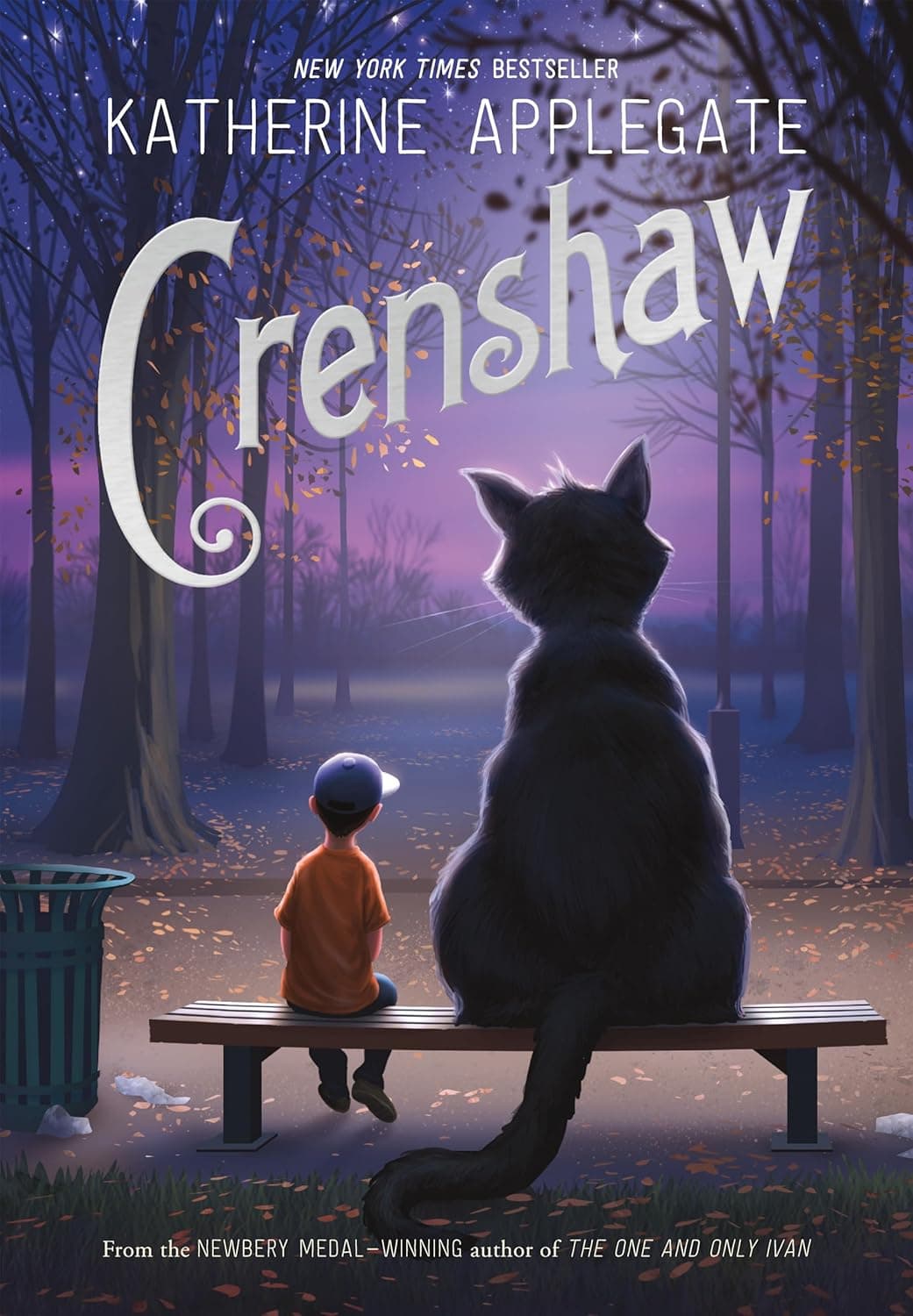
In Chapters 6–10, Jackson tries to pin down what feels real when life keeps coming apart. The return of Crenshaw hovers over everything—less as a mystery than as a measure of how stressed Jackson is. Between naming, memory gaps, and a growing list of “signs,” Jackson watches his family slide toward crisis and searches for honesty his parents won’t give, while Robin still chooses magic.
What Happens
Chapter 6: An Anything-Is-Possible Kind of Name
Jackson decides “Crenshaw” just fits. It isn’t tied to family, places, or shows he’s seen; it sounds new, untouched. He contrasts that freshness with his family’s naming habits. His parents are named after relatives, he and Robin are named after guitar brands, and the dog is Aretha—hand-me-downs or tributes, not inventions.
He admits he likes that Crenshaw isn’t inherited like his middle name, Orson, which belonged to a great-uncle who died. For him, “Crenshaw” feels like a beginning: a name that means “no baggage, just potential.” He calls it “a blank piece of paper before you draw on it,” and that clean slate becomes exactly what he craves.
Chapter 7: A Lego Project with Missing Pieces
Jackson tries to remember his earliest meeting with Crenshaw and discovers his memory won’t cooperate. It’s like building a Lego model when half the bricks are gone: the frame exists, but whole sections are missing. He can picture things—getting lost in a grocery store, being at a highway rest stop—yet the resolutions arrive only from his parents’ stories later, not from his own mind.
What sticks isn’t the shock of a giant cat talking; it’s the comfort. At a rest stop, Crenshaw likes the same purple jelly beans Jackson loves, and that small, specific pleasure matters more than the impossibility of the moment. The chapter leans into Truth and Imagination: when life gets strange or scary, Jackson’s mind chooses warmth and companionship over logic.
Chapter 8: Keepsakes
The situation becomes undeniable when Jackson's Mom hands each child a grocery bag and calls it a “keepsakes” bag. Almost everything else must go in a yard sale to make rent. Suddenly, the theme of Poverty and Homelessness turns concrete: belongings become decisions, and childhood gets measured by what fits into a bag.
At bedtime, Jackson feels like an outsider, watching his bright, cheerful family squeezed onto Robin’s mattress on the floor. While reading Lyle, the Crocodile, he keeps dropping crocodile facts. No one wants facts. When he asks about the mysterious purple jelly beans, his parents try on rational explanations that don’t fit, Robin says they’re magic, and the family riffs on all the things that feel magical—music, love, doughnuts. Jackson hears whimsy where he wants truth and grows uneasy, even a little angry.
Chapter 9: Hard Questions
Jackson finally names what bothers him: his parents’ relentless optimism. He sees the danger and wants it acknowledged, but his parents joke, sing, and steer away from the hard stuff. The chapter centers Honesty and Communication—what gets said, what doesn’t, and how silence can feel like a lie.
He remembers two turning points. When Jackson's Dad is diagnosed with multiple sclerosis, Dad meets bad news with humor and downplays the fear. Later, after a huge vet bill, Jackson asks directly if they have enough money. His parents respond with lottery fantasies instead of answers. Jackson learns not to ask “hard questions” because he won’t get “hard answers,” and he starts watching and worrying alone.
Chapter 10: The Signs
In bed, Jackson inventories his “keepsakes” bag—books, a trophy, a clay cat he sculpted in second grade that looks uncannily like Crenshaw. Then he assembles what he calls the “signs,” the evidence that things are falling apart, whether or not anyone says it aloud.
- Piles of unpaid bills
- Whispered arguments behind closed doors
- Selling heirlooms, like his grandmother’s teapot
- The electricity shut off
- Food running out
- His parents digging for coins in the couch
- The landlord showing up
He knows they’ll have to leave their place in Swanlake Village soon. He thinks about the swan mailboxes and his friend Marisol, and he ends on a blunt truth: you can’t judge a book by its cover. The neighborhood looks idyllic; inside his apartment, fear rules.
Character Development
Jackson’s voice sharpens as he tries to reconcile facts with feelings. The more his parents joke, the more he leans into lists, logic, and patterns to steady himself.
- Jackson: doubles down on his “scientist” identity—observant, literal, increasingly anxious—and admits he wants something that’s purely his own.
- Jackson’s Parents: reveal a coping style built on humor and deflection; their protectiveness keeps them upbeat but leaves Jackson feeling shut out.
- Robin: embraces imagination and accepts magic without strain, offering levity that highlights Jackson’s isolation.
- Crenshaw: exists as comfort from an earlier crisis; his symbolic weight grows even before he fully reappears.
Themes & Symbols
These chapters braid Poverty and Homelessness with Honesty and Communication and Truth and Imagination. Jackson wants facts; his parents offer protection through cheerfulness; Robin rides the magic. The tension isn’t just about money—it’s about how a family narrates hardship to itself, and who pays the emotional price for silence.
The keepsakes bag turns loss into logistics, forcing the children to count their lives in what they can carry. Swanlake Village—with its pretty name and tidy swans—works as a facade; appearances soften what’s hard but can also hide it. Even names matter: “Crenshaw” feels like unclaimed space, while hand-me-down names and heirlooms underline how much of Jackson’s life isn’t chosen. Together, these symbols show a kid trying to draw straight lines through a world that won’t sit still, a tension that also tests Family and Resilience.
Key Quotes
“A blank piece of paper before you draw on it.”
- Jackson describes the name “Crenshaw” this way. The metaphor captures his hunger for a fresh start—something not inherited, not broken, not compromised. It also frames Crenshaw as possibility, not just a friend.
“Keepsakes.”
- The word shrinks a home into a grocery bag. Naming the bag makes the loss feel official, and it shows how poverty turns private childhood treasures into inventory.
“Hard questions” and “hard answers.”
- Jackson’s refrain marks the break between him and his parents. He wants reality spoken plainly; their evasions teach him to stop asking, which deepens his loneliness and fear.
“You can’t judge a book by its cover.”
- Jackson’s closing thought in Chapter 10 widens the lens. It applies to Swanlake Village’s shiny look, his parents’ upbeat tone, and even Jackson’s own “scientist” persona, which masks how desperate he feels.
Why This Matters and Section Significance
These chapters shift the story from the curiosity of a talking cat to the urgency of a family on the brink. They establish how long-running illness and debt shape the household, how optimism becomes a shield that also isolates, and why Crenshaw’s comfort is both necessary and troubling for a boy who wants proof. By laying out the “signs” with clinical precision while longing for a clean slate, Jackson sets up the novel’s central conflict: when truth hurts and magic helps, which one keeps a family together?