Opening
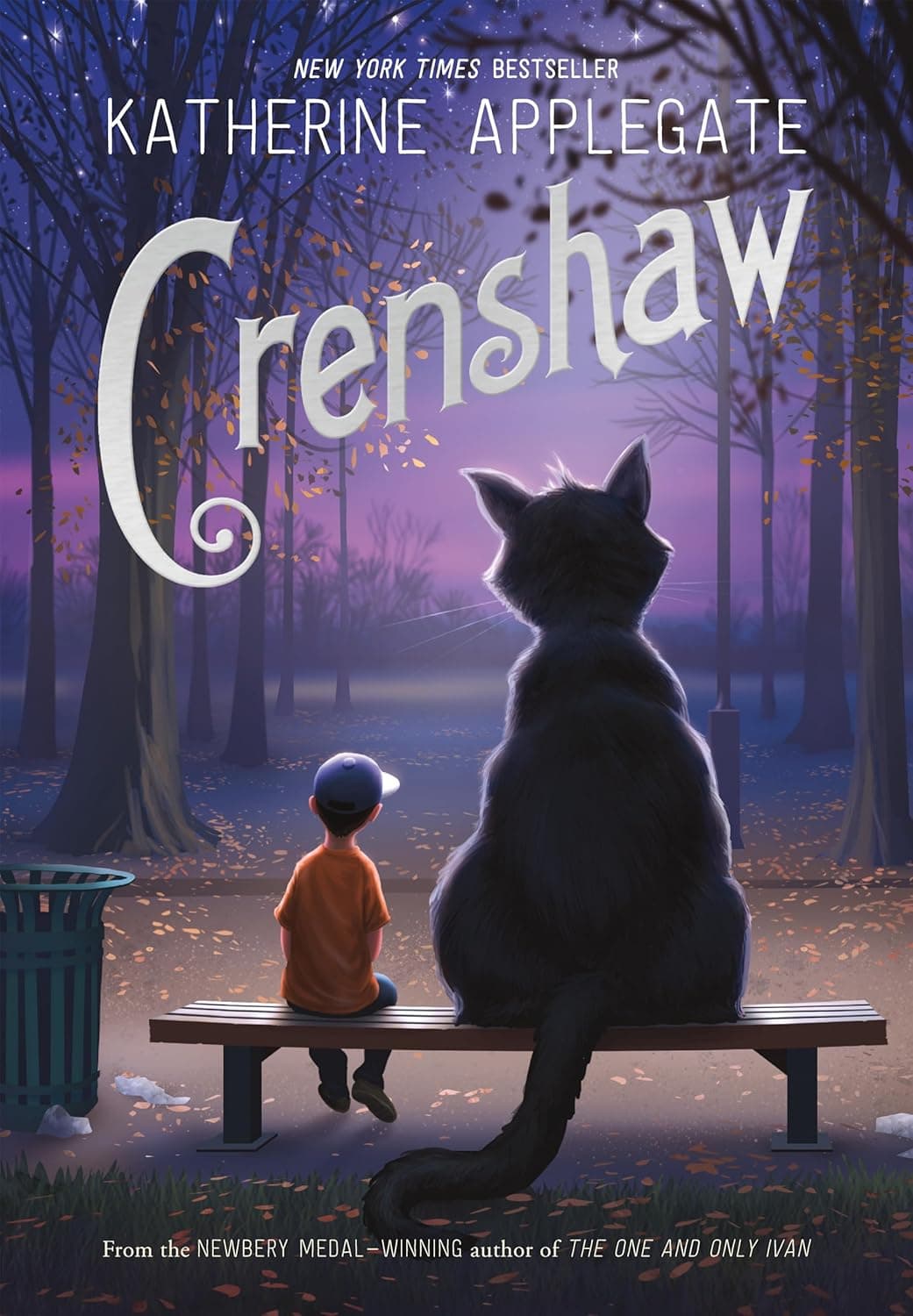
A late-night argument shatters Jackson’s sense of security and confirms his worst fear: his family is on the edge of losing their home again. In the sleepless hours that follow, a giant cat—his long-forgotten imaginary friend—steps back into his life, forcing Jackson to confront what’s real, what helps, and what he can no longer ignore.
What Happens
Chapter 11: Fortune Cookie Wisdom
Jackson wakes to his parents’ hushed voices turning sharp in the living room. Jackson's Mom tries to problem-solve—maybe they can stay with relatives—while Jackson's Dad refuses every option, bristling at “handouts.” The crisis snaps into focus when Jackson hears his mom say, “You do realize we can’t live in the minivan again,” confirming the family’s past homelessness and the looming threat of eviction.
The argument escalates. Mom insists asking for help isn’t shameful; Dad frames it as failure. She cites, “Life is what happens to you while you’re busy making other plans,” and he mocks it as “fortune cookie wisdom.” She slams the bedroom door. Jackson slips away to his room as his dad stares blankly at the TV, the apartment tight with silence and dread.
Chapter 12: A Sudsy Blob
Restless and thirsty, Jackson wanders to the bathroom and hears humming and splashing. He pushes the door open a crack and watches a “sudsy blob” drift by in the tub. When he looks fully, disbelief stops him: Crenshaw, his childhood imaginary friend, lounges in a bubble bath as if he never left.
Chapter 13: I Beg to Differ
Jackson locks the door and tries to logic this away—he can “un-invent” Crenshaw. The cat, enormous and at ease, rises from the suds “like a snowy island” and casually requests purple jelly beans. The family dog, Aretha, scratches to be let in; Crenshaw hisses and flicks bubbles while Aretha delivers a sloppy kiss. Jackson protests that none of this is happening. Crenshaw crafts a bubble beard for himself and one of Robin’s rubber ducks, then stands—sleeker with wet fur—and politely asks for a towel.
Chapter 14: The Fabric of the Universe
Hands shaking, Jackson passes the towel. The warm, soft, wet feel of Crenshaw’s paw breaks his denial. He notes the impossible details—Crenshaw has fingers, smells like a wet cat, and is undeniably there. Jackson whispers worries about being seen. Crenshaw shrugs off certainty: being “forgotten” might have changed the rules; maybe “the fabric of the universe has unraveled just a tad.”
They step into the dark hall. Jackson orders Crenshaw to freeze and pose like a stuffed animal if anyone appears. Robin’s door creaks. Crenshaw goes statue-still, mouth open in a goofy, taxidermy pose.
Chapter 15: I Miss My Trash Can
Robin peers out and asks who Jackson was talking to. He lies—just him and the dog—and Robin doesn’t notice the giant cat inches away. Teary and disoriented, she mourns the loss of her favorite blue-bunny trash can, already packed for the yard sale, a small sign of the larger instability around her.
Back in Jackson’s room, Crenshaw curls and purrs while Jackson questions his own sanity. Robin returns, too scared to sleep in her “empty” room, and asks Jackson to read. He agrees, choosing his sister’s comfort over his confusion, even as a giant cat purrs beside him.
Character Development
Jackson’s control-through-facts mindset buckles when Crenshaw becomes tactile, audible, and visible—at least to him. He steps more fully into the role of protector, buffering Robin from the family’s upheaval even while he flails internally.
- Jackson: Clings to logic, then pivots to sensory proof; shoulders responsibility for Robin; begins to accept that imagination may be a coping tool, not a failure of reason.
- Jackson’s Dad: Pride hardens into paralysis; refusal to accept help reveals fear of failure and deep shame.
- Jackson’s Mom: Pragmatic and exhausted; pushes for practical solutions and support networks to keep the family safe.
- Crenshaw: Wry, calm, and imposing; loves bubble baths and jelly beans; functions as an emotional catalyst, surfacing truths Jackson won’t say aloud.
- Robin: Vulnerable and attached to small possessions; her anxiety surfaces through loss of familiar objects and reliance on Jackson for comfort.
Themes & Symbols
These chapters thrust the family’s crisis into the open, bringing Poverty and Homelessness from background tension into urgent reality. The minivan reference turns fear into fact, while the parents’ argument reveals incompatible strategies for survival and the cost of pride.
Crenshaw’s return ignites Truth and Imagination: Jackson’s love of science collides with the palpable presence of a giant talking cat. That collision becomes a way of Coping with Stress and Trauma, not an escape from it—imagination arrives to help Jackson bear what logic alone cannot. Meanwhile, the family’s fracture lines expose a breakdown in Honesty and Communication, even as Jackson and Robin embody Family and Resilience by caring for each other in the dark.
- Symbol: The bubble bath. Childhood whimsy intrudes on a night of adult dread, signaling that comfort and play can coexist with fear—and sometimes unlock the truth Jackson needs.
Key Quotes
“You do realize we can’t live in the minivan again.”
This line confirms past homelessness and raises the stakes. It crystallizes the threat facing the family and explains the raw panic under every conversation.
“Life is what happens to you while you’re busy making other plans.”
Mom reaches for a truism to make sense of chaos. Dad’s rejection of it exposes their split: her openness to help versus his pride and fear, a clash that worsens their crisis.
“Fortune cookie wisdom.”
Dad’s dismissal turns a coping phrase into a target, revealing his shame and defensiveness. The sarcasm shows how anger masks vulnerability and blocks problem-solving.
He can “un-invent” Crenshaw.
Jackson tries to assert control through logic and language. The attempt fails once touch and smell confirm Crenshaw’s reality, marking a shift from denial to uneasy acceptance.
“The fabric of the universe has unraveled just a tad.”
Crenshaw reframes the impossible as a small cosmic wrinkle. The humor lowers Jackson’s defenses and suggests that the point isn’t rule-breaking magic, but what that magic enables him to face.
Why This Matters and Section Significance
This sequence marks a pivot from suspicion to certainty: the family’s housing crisis is immediate, and Crenshaw is back. The stark realism of the parents’ fight collides with the surreal bathtub reveal, establishing the novel’s blend of grit and wonder. Jackson emerges as a kid caught between adult problems he can’t fix and an imaginative lifeline he thought he’d outgrown—one that helps him protect Robin and, eventually, tell the truth he’s been avoiding.