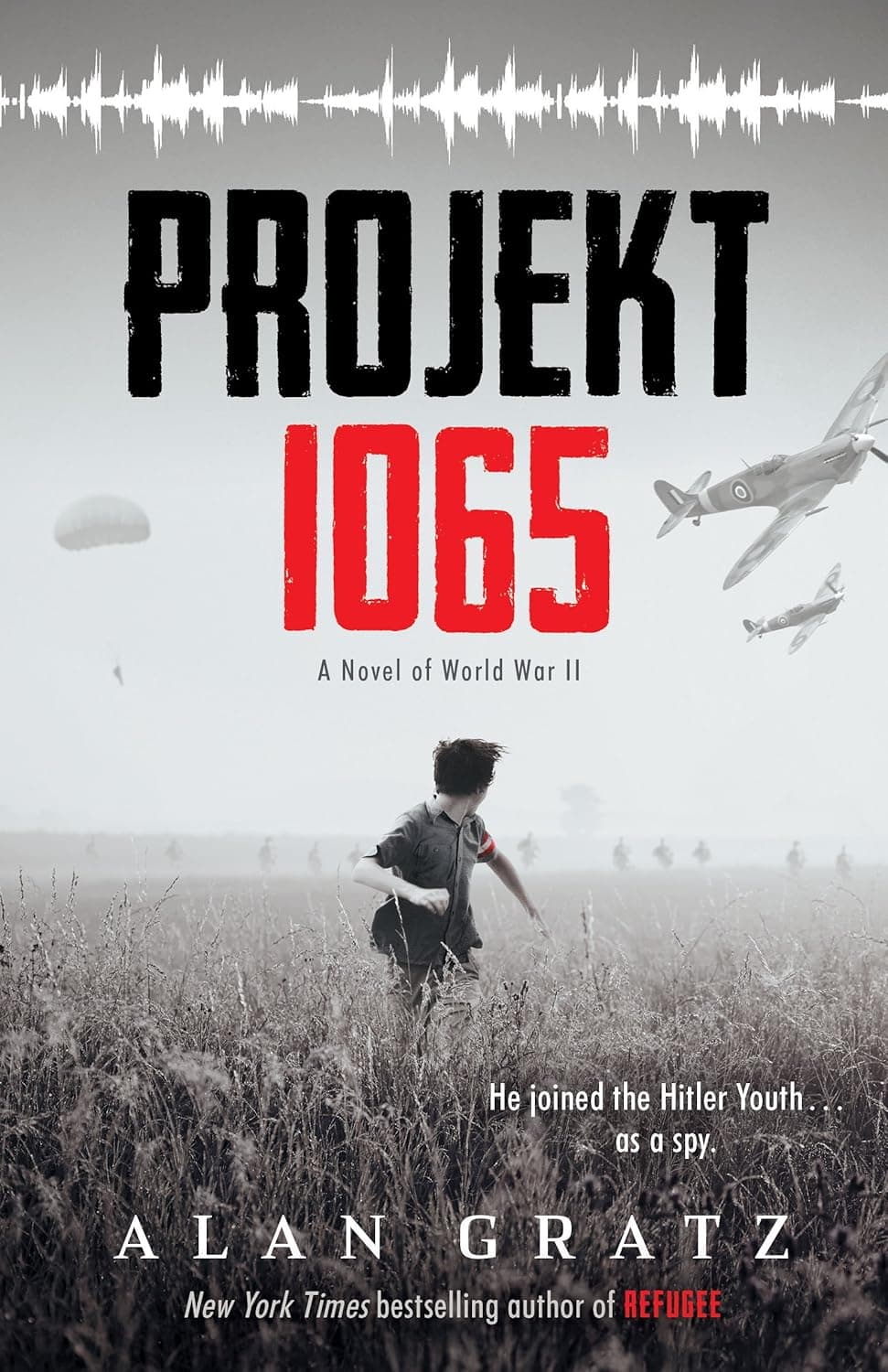
SS-Obersturmführer Trumbauer
Quick Facts
- Role: SS officer and primary human antagonist; senior leader overseeing Hitler Youth patrol operations
- First appearance: A high-society dinner at an automaker’s home
- Affiliations: SS; SRD (Hitler Youth Patrol Force)
- Key relationships: Michael O'Shaunessey, Fritz Brendler, SRD/Hitler Youth units
Who They Are
Bold, cold, and surgically efficient, SS-Obersturmführer Trumbauer is the book’s embodiment of institutional evil—polite at dinner, lethal in the street. His look—tall, wiry, slicked hair, a beaklike nose—gives him an avian, predatory aura, as if he’s always perched above the scene, watching for weakness. He is not a mindless brute; he’s a calculating ideologue who weaponizes etiquette, rank, and psychology to turn boys into instruments of the state.
Personality & Traits
Trumbauer’s menace comes from control rather than chaos. He reads rooms, plays on ego and fear, and frames cruelty as a matter of professional routine. The result is a villain who feels chillingly plausible: a careerist whose success depends on perfecting the machinery of harm.
- Callous and cruel: At the automaker’s dinner, he coolly recounts a boy informing on his parents for sheltering a Jew; the parents are sent to Dachau and the Jew is executed. His detachment—procedural, almost bored—reveals a man for whom murder is paperwork.
- Predatory and perceptive: When he finds a youth alone in a study during that same dinner, he toys with him “like a cat,” probing for inconsistencies. Suspicion is his default; interrogation, his social mode.
- Manipulative: He manufactures devotion with rewards. He dubs a zealous boy “Quex,” turning fanaticism into honor, and later elevates a young recruit to the SRD’s “science team” after a seemingly loyal denunciation of Lieutenant Simon Cohen.
- Authoritative: His SS rank bends every space around him—police step aside, Hitler Youth snap to attention, and adults of status defer. Power grants him instant credibility and unquestioned command.
Character Journey
Trumbauer is deliberately static: he does not evolve—he exposes. From the polished brutality of his dinner-table anecdotes to the cat-and-mouse surveillance, to public raids and an ambush that ends in execution, he escalates how openly he wields power as the stakes rise. His unchanging fanaticism makes him a pressure chamber for others: the youth around him either conform, harden, or risk annihilation. That stasis serves the novel’s critique of The Corrupting Influence of Ideology: Trumbauer is ideology realized, a finished product whose consistency is the point. He doesn’t grow; he grows others—into tools.
Key Relationships
- Michael O'Shaunessey: Their dynamic is a duel of masks. Trumbauer admires the boy’s poise and “perfect German,” but treats him as a test case—probing with small traps and larger temptations. When he rewards Michael after a betrayal he believes authentic, it’s both promotion and leash: loyalty, once performed, must be repeated.
- Fritz Brendler: Trumbauer spots Fritz’s hunger for belonging and recasts it as zeal. By christening him “Quex,” he converts insecurity into violent certainty. The relationship is predatory mentorship: Trumbauer supplies meaning; Fritz supplies obedience and escalation.
- The Hitler Youth (SRD): To the unit, Trumbauer is the future they’re promised—precision, status, and sanctioned cruelty. He stages raids, allocates praise, and models how to wear brutality like a uniform: crisply, proudly, without hesitation.
Defining Moments
Trumbauer’s scenes trace a chilling syllabus: indoctrinate, surveil, deploy, eliminate. Each moment widens the circle of harm while tightening his control.
- The automaker’s dinner: He publicly endorses filial betrayal and routine execution. Why it matters: Sets the moral temperature of his world—cold enough to freeze conscience—and signals how ideology invades family.
- The study encounter: He catches a youth alone and toys with him, reading every twitch. Why it matters: Establishes him as a hunter who prefers the slow panic of his prey; secrecy will not survive proximity to him.
- Raid on the Edelweiss Pirates: He commands the assault and spotlights a boy’s ferocity by naming him “Quex.” Why it matters: Demonstrates how he manufactures zeal through ritualized recognition, turning violence into identity.
- Simon’s “capture”: He leads the ambush, informs the prisoner he was betrayed, and signs off on the killing. Why it matters: Shows his endgame—ideology consummated in execution—and how rewards are tied to blood.
Essential Quotes
“Their son reported them.”
This is Trumbauer’s thesis: private bonds are subordinate to public ideology. The sentence is both boast and warning, advertising the regime’s victory over the most intimate loyalties.
“The Jew was shot while trying to escape.”
His phrasing is bureaucratic code for a planned killing. By couching murder in administrative language, Trumbauer normalizes atrocity and shields it with procedure.
“You really do look peaked... But at least you have your appetite back.”
Mock-concern as surveillance. The gentle tone cloaks a check for weakness and guilt—Trumbauer weaponizes civility to keep targets off-balance.
“We should call you Quex.”
In three words he forges a fanatic. The nickname converts a boy’s violence into honor, binding identity to brutality and making future ruthlessness feel like duty.
“You have done well, Michael. Very well. You have done more for Hitler tonight than most men twice your age.”
Praise here is not gratitude; it’s recruitment. By inflating the significance of the act, Trumbauer tightens ideological commitment and raises the cost of any future defection.