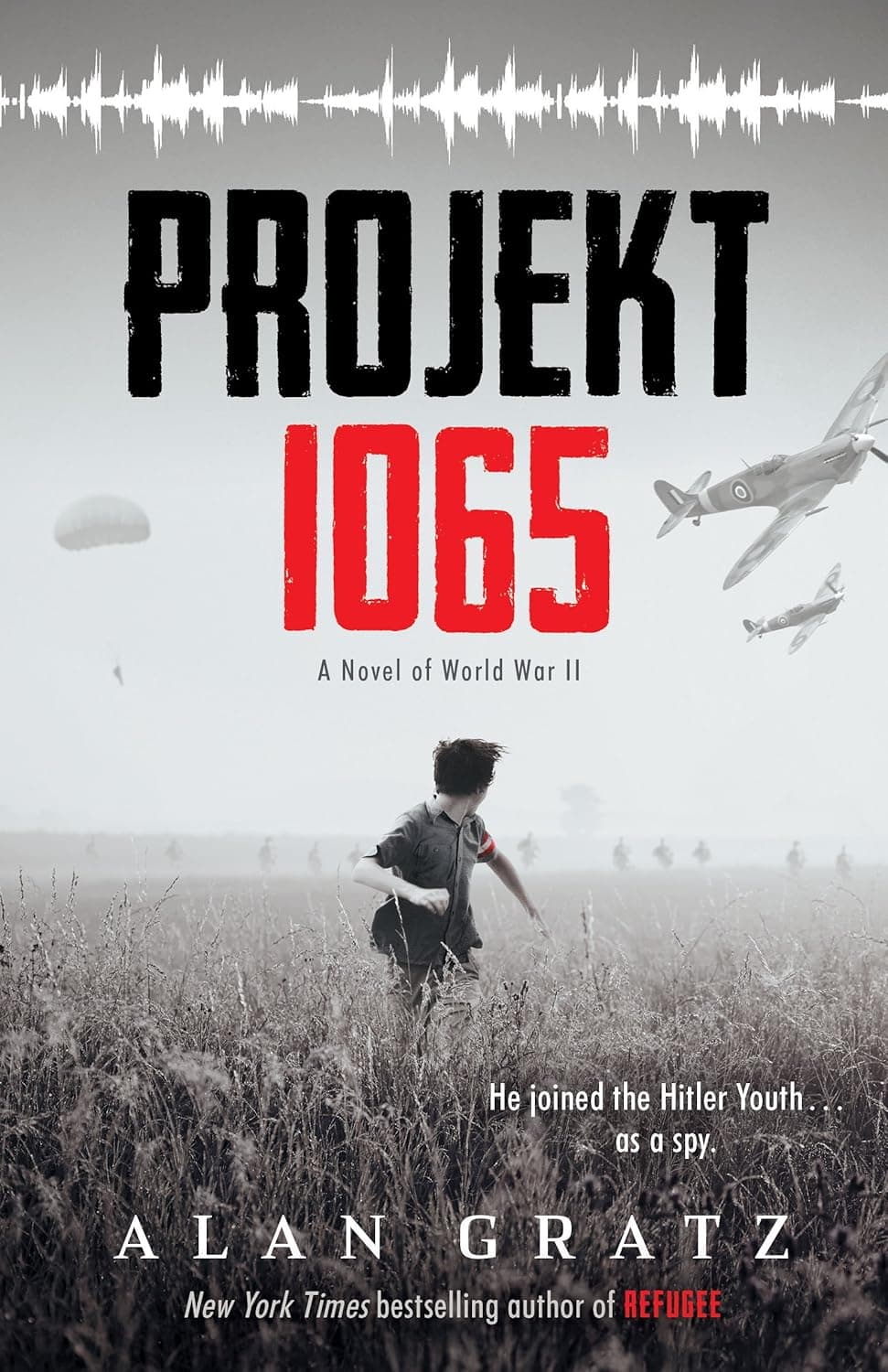
Michael O'Shaunessey
Quick Facts
- Role: Protagonist and first-person narrator; Irish ambassador’s son embedded in the Hitler Youth
- Age: Thirteen; lives in Berlin during World War II under deep cover
- Skills and vulnerabilities: Flawless German, photographic memory, and severe acrophobia
- Cover vs. conscience: Wears the uniform he despises to infiltrate the regime
- Key ties: Parents (Ma and Da), the downed pilot Simon Cohen, friend-turned-rival Fritz, and SS handler Trumbauer
- For a broader cast map, see the Character Overview
Who They Are
Bold, frightened, and precociously strategic, Michael O'Shaunessey is the novel’s moral pressure-cooker. He’s a child conscripted by history—performing loyalty as a Hitler Youth while secretly gathering intelligence for the Allies with his parents. The uniform that hides him also haunts him; every salute and slogan costs him a piece of himself. He is the story’s most potent embodiment of Deception and Espionage: a boy forced to blur the line between role and identity until the mask leaves a permanent mark.
Personality & Traits
Michael’s personality forms under siege. He’s quick-thinking and observant, a boy who notices everything because not noticing can get people killed. Yet his courage is inseparable from fear; he is brave not because he lacks terror, but because he does what’s necessary despite being terrified. The cost of that bravery—anger, numbness, and moral scarring—becomes the heart of his arc.
- Intelligent, observant, and eidetic: His photographic memory turns him into a living camera, crucial for memorizing codes and blueprints at a glance. He frames it plainly: “All I have to do is see or hear something one time, and it sticks in my head like a song you can’t get rid of.”
- Brave but afraid: Michael’s acrophobia constantly threatens to expose him, making the physical world a trap. His growth tracks the theme of Courage, Fear, and Confronting Weakness, as he repeatedly acts in defiance of his terror.
- Morally conflicted: Pretending to be a Nazi—attending rallies, burning books, parroting racism—erodes him from the inside. He knows he’s complicit even as he’s resisting, sharpening the theme of Moral Compromise and the Cost of War.
- Empathetic yet impulsive: He protects the vulnerable, as when he intervenes for Fritz Brendler early on. That empathy pushes him toward risky, heart-led choices that clash with spycraft’s cold calculus.
- Prone to anger: His “Fighting Irish” temper bursts out in the boxing match with Fritz and the attack on Horst, moments that reveal not just rage but a frightening capacity for brutality—and his fear of what he is becoming.
Character Journey
Michael’s arc is a compressed adulthood—a Coming of Age and Loss of Innocence tale accelerated by war. Haunted by witnessing Kristallnacht, he starts as his parents’ helper, eager and careful in equal measure. That changes when he independently shelters Lieutenant Simon Cohen, crossing from child-assistant to operative. Ingratiating himself with the Hitler Youth, he maneuvers onto the science track, weaponizing his memory for Projekt 1065.
The second act hardens him. To keep his cover, he lets Herr Professor Doktor Major Melcher fall to the Gestapo, pummels Fritz in a ritualized beating, and even orchestrates Simon’s capture—both to save Professor Goldsmit and to secure a place on the assassination team. The cable car finale forces him to master his terror of heights and confront Fritz, the mirror of what he might have become. By “The New Michael,” the spy game is no longer a game: the mask has fused to the face, and a “boy-man” emerges from the wreckage—effective, resolute, and permanently altered.
Key Relationships
- Megan O'Shaunessey (Ma) and Davin O'Shaunessey (Da): With Megan O'Shaunessey (Ma), Michael shares a professional ruthlessness—she trusts his abilities and deploys him as an asset. Da is gentler and more protective, a moral compass anxious about the cost to his son. Together they form Michael’s training ground and conscience, the tension between them mirroring Michael’s own tug-of-war between caution and action.
- Lieutenant Simon Cohen: Simon is mentor, big brother, and ethical anchor. He teaches Michael techniques (Kim’s Game) and also the why of the fight, reframing risk as responsibility. Michael’s betrayal of him is the story’s deepest wound—an act that secures the mission while scarring Michael’s sense of self.
- Fritz Brendler: This friendship charts the novel’s knot of loyalty and ideology, embodying Friendship and Betrayal. What begins as pity evolves into a precarious closeness—and then into rivalry as Fritz embraces Nazi brutality Michael only performs. Fritz becomes Michael’s foil: both crave strength, but only one is willing to surrender his humanity to get it.
- SS-Obersturmführer Trumbauer: SS-Obersturmführer Trumbauer is the chilling face of the machine Michael must deceive. Trumbauer’s approval is both a tactical goal and a moral hazard: every inch Michael gains with him marks another inch lost to the persona that threatens to consume him.
Defining Moments
Michael’s turning points are moral stress tests: each victory extracts a toll, each compromise locks him deeper into the role he hates.
- Witnessing Kristallnacht: The primal scene of helplessness that galvanizes him to fight back. Why it matters: It shifts his motivation from childish curiosity to justice-driven resolve.
- Hiding Simon Cohen: His first solo operational choice. Why it matters: Michael steps out from his parents’ shadow, accepting risk and responsibility as his own.
- The boxing match with Fritz: Passing the initiation by brutalizing a friend. Why it matters: He proves he can “become a monster” to keep his cover, and the self-disgust lingers.
- Turning in Simon: The point of no return. Why it matters: He sacrifices personal loyalty to save lives and secure mission access, permanently burdening his conscience.
- The cable car confrontation: Terror and betrayal converge at a dizzying height. Why it matters: He masters his fear and rejects the path Fritz chose, proving that courage without cruelty is still possible.
Essential Quotes
I hated pretending to like these people, hated pretending to agree with their awful hatred of the Jews, hated pretending I wanted them to win the war and conquer the world. But I smiled because I had to.
This is Michael’s double life in one breath: revulsion masked by performance. The final clause—“because I had to”—recurs throughout his arc, framing deception as duty and highlighting how necessity corrodes identity.
I had found the secret codes and memorized them. Ma had covered my tracks. Tonight she would decode them, and in the morning Da would send the coordinates back to Dublin... This was the mission.
A miniature of the family machine: Michael gathers, Ma interprets, Da transmits. The clipped cadence (“This was the mission.”) signals his shift from boy to operative, speaking in the clean logic of tradecraft.
I had managed to scare even the monsters, and when you can scare monsters, you can be sure you’ve become one yourself.
He recognizes the paradox of resistance: to stop brutality he has learned to wield it. The line marks a self-indictment—victory measured by fear induced is also proof of moral damage sustained.
I locked my heart away in a wee iron coffin and swallowed the key. It burned going down and tears stung my eyes, but still I said nothing.
Gothic imagery for emotional self-burial. Silence is survival, but the metaphor admits the cost: what keeps him safe also entombs his empathy, foreshadowing the “New Michael.”
“You’re an enemy of the state,” I told Simon, my voice shaky. “And my parents broke the laws of Germany hiding you. But even worse, they broke the laws of human nature. They betrayed the Aryan race by hiding a Jew.”
Michael rehearses Nazi logic to destroy someone he loves, layering truth (his fear and love) beneath a lie (allegiance to ideology). The tremor in his voice betrays the moral fracture—he is acting convincingly enough to damn himself.