Opening
Love, grief, and duty collide as Layken Cohen, her mother Julia Cohen, and neighbor-turned-teacher Will Cooper navigate a season of impossible choices. Over five chapters, confessions arrive through poems and confrontations, dark humor becomes survival, and a single revelation reframes months of heartbreak into sacrifice.
What Happens
Chapter 16: Basagna and Balloons
Layken argues to become her younger brother’s guardian after Julia dies, insisting that “sometimes life doesn’t happen in chronological order.” Julia relents, recognizing both Layken’s resolve and the harsh reality ahead. To tell Kel, they cook “basagna,” the family’s signal for bad news. Kel Cohen immediately reads the room, then hears the truth about Julia’s terminal lung cancer. He asks practical questions, learns he’ll live with Layken, and breaks the heaviness with a vow never to eat basagna again—dark humor that nudges the family toward Grief, Loss, and Acceptance.
That night they invite Will and his little brother Caulder Cooper to dinner. Kel bluntly tells Caulder what’s happening; the boys connect over being raised by older siblings, deepening the sense of Family and Found Family. The adults map out Julia’s treatment schedule, and Will promises to help. As Will leaves, Julia hugs him and gives Layken a quiet nod—a blessing that still can’t erase the boundaries. Will encourages Layken, and she chooses to prioritize her family—an act of Responsibility and Premature Maturity.
The chapter ends at Eddie’s eighteenth birthday, where her foster father, Joel, reads a letter and releases twenty-nine pink balloons for each foster parent or sibling she has had. A final balloon marked “DAD” floats up as he asks to adopt her, transforming a history of displacement into belonging.
Chapter 17: I'll Take the Lake
Layken edges toward acceptance: of her father’s death, Julia’s illness, and the impossibility with Will. Feeling bold, she heads to the slam to perform—only to find Will onstage as the night’s “sacrifice.” His poem compares an ocean to a lake and ends, “So you keep your ocean, / I’ll take the Lake,” making his love unmistakable and proving the reach of The Power of Poetry and Self-Expression. Overwhelmed, Layken runs for the exit.
Outside, Javier insists on walking her to her car. When she realizes her purse is still inside, he seizes the moment and forcibly kisses her. Will arrives, rips Javier away, and a brutal fight erupts. Layken steps between them and is struck in the back. Gavin breaks it up, and Will drives Layken home in furious silence, stopping to vent before icing her injury at his house and fetching Julia.
The next day, Layken is summoned to the principal’s office. After she recounts the night, she learns Will has resigned from his student teaching position to avoid further conflict with Javier. He plans to finish at another school, his future suddenly unclear—another obstacle in their Forbidden Love and Obstacles.
Chapter 18: A Weak Moment
A fragile routine forms. Kel and Caulder decide to be “cancerous lungs” for Halloween, and Julia embraces the morbid joke as a way to cope. Will and Caulder cancel a weekend trip to help craft the costumes, and for a brief, bright stretch, both families unite around this strange project.
The peace shatters in Will’s laundry room when Layken follows him to find a measuring tape. Will admits he was jealous the night of the fight because he thought she wanted Javier’s kiss. Proximity combusts into a kiss of their own. He lifts her onto the dryer, and for a breathless second, Layken believes his resignation means freedom. She asks if the rules still apply. He pulls away, shame flooding his face, and dismisses it as a “weak moment.” Her heartbreak flares to fury. She tells him she can’t endure his emotional whiplash while her mother is dying, orders him to bring the measuring tape, and slams the door—declaring she is done letting him in.
Chapter 19: Principal Brill
Weeks pass with Layken dodging Will, communicating only about the boys. On Halloween, she reluctantly brings Will to see their final lung costumes. The adults call them disgusting and repulsive, which delights Kel and Caulder. At school, though, the costumes spark outrage.
Principal Brill deems the getups “offensive and crude” and orders the boys home. Layken responds with a blistering speech, forcing him to confront the reality of Julia’s terminal cancer and the meaning behind a son wearing his mother’s illness for their last Halloween together. Shamed into silence, Brill backs down. Later, Kel and Caulder return with first-place ribbons and fifty dollars each—an unlikely win over public judgment.
Chapter 20: The Final Day
As winter break looms, Layken and Will remain distant, coordinating only on logistics. Will secures a permanent teaching role for January, and Layken reads it as a final break. Wrapping gifts with Julia, she admits she won’t attend Will’s college graduation.
Julia stops her. She confesses she was wrong to teach Layken to lead with her head over her heart—and then reveals the truth: the night of the cancer announcement, Will promised Julia he’d step back so Layken could spend her mother’s final months without the chaos of forbidden love. His resignation, distance, and restraint aren’t rejection; they’re sacrifice.
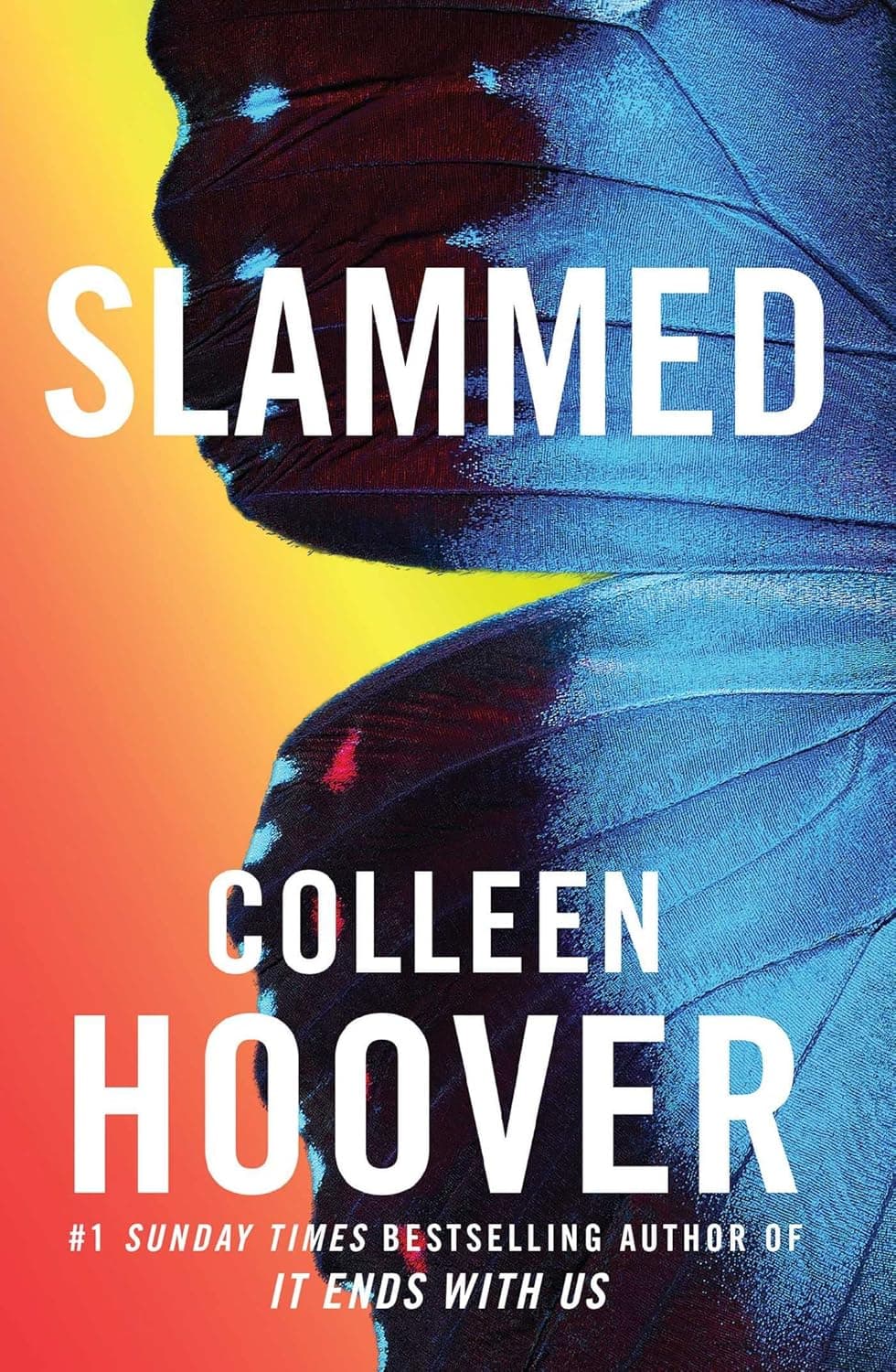
The revelation rewrites the past. Julia urges, “Go tell him how you feel.” Layken pulls on the purple shirt from their first date and clips in the butterfly barrette. She heads out, ready to fight for him.
Character Development
The section reshapes everyone’s choices into acts of love under pressure, clarifying motives and accelerating maturity.
- Layken: Advocates to raise Kel; shows poise and ferocity confronting Principal Brill; learns to distinguish resignation from acceptance; transforms anger into purpose after learning the truth.
- Will: Declares love through poetry; protects Layken during the fight; falters in the laundry room but recommits to a painful promise; reframed as selfless rather than indecisive.
- Julia: Embraces gallows humor to empower her family; secures the children’s future; offers a crucial confession that unlocks the story’s emotional core.
Themes & Symbols
Grief, Loss, and Acceptance threads through basagna, balloon releases, and Halloween “lungs.” The family confronts fear with humor and ritual, transforming dread into connection. The lung costumes literalize grief: by wearing the disease, the boys assert control over what terrifies them and honor Julia’s reality.
Forbidden Love and Obstacles complicates every step forward. Institutional barriers (teacher-student rules) collide with self-imposed promises, turning desire into discipline. Responsibility and Premature Maturity defines both Layken and Will: she chooses caretaking over ease; he chooses restraint over happiness. Poetry becomes the conduit when ordinary speech fails—the Power of Poetry and Self-Expression turns Will’s feelings into a public vow that Layken can’t ignore. Family and Found Family blooms at dinner tables, in craft nights, and through Eddie’s adoption moment, where shared pain forges chosen bonds.
Key Quotes
“Sometimes life doesn’t happen in chronological order.”
Layken’s line bends time to love’s demands, justifying her bid to raise Kel and reframing “out of order” choices as necessary. It anchors the book’s challenge to conventional timelines for grief, adulthood, and romance.
“So you keep your ocean, / I’ll take the Lake.”
Will’s poem chooses intimacy over vastness, naming Layken as the lake he claims. The metaphor converts forbidden desire into an ethic: better to love deeply in a small space than spread thinly across safe distances.
“So if you think it’s so offensive, I suggest you drive them home yourself and tell my mother to her face. Do you need my address?”
Layken reclaims narrative power from public judgment, exposing the principal’s moral cowardice. The speech shifts the scene from rule enforcement to empathy, demanding that institutions face lived reality.
“It was a weak moment.”
Will’s self-rebuke reveals the cost of his promise: desire framed as failure. The phrase devastates Layken, not because the kiss lacks meaning, but because it reduces their truth to a lapse—fueling misinterpretation until Julia’s confession.
“Don’t make me the bad guy, Lake.”
He begs for grace while holding a secret he can’t reveal. The plea captures the tragedy of sacrificial love: appearing cruel to remain kind, bearing the role of villain to protect someone else’s time.
Why This Matters and Section Significance
These chapters are the novel’s emotional fulcrum. They stack confession, violence, near-fulfillment, rupture, and truth until the central conflict upends: what seemed like rejection becomes sacrifice, and what seemed like immaturity becomes moral courage. By the time Layken pins on the butterfly and reaches for the purple shirt, the story pivots from endurance to choice—setting up the catharsis that follows in the Epilogue.