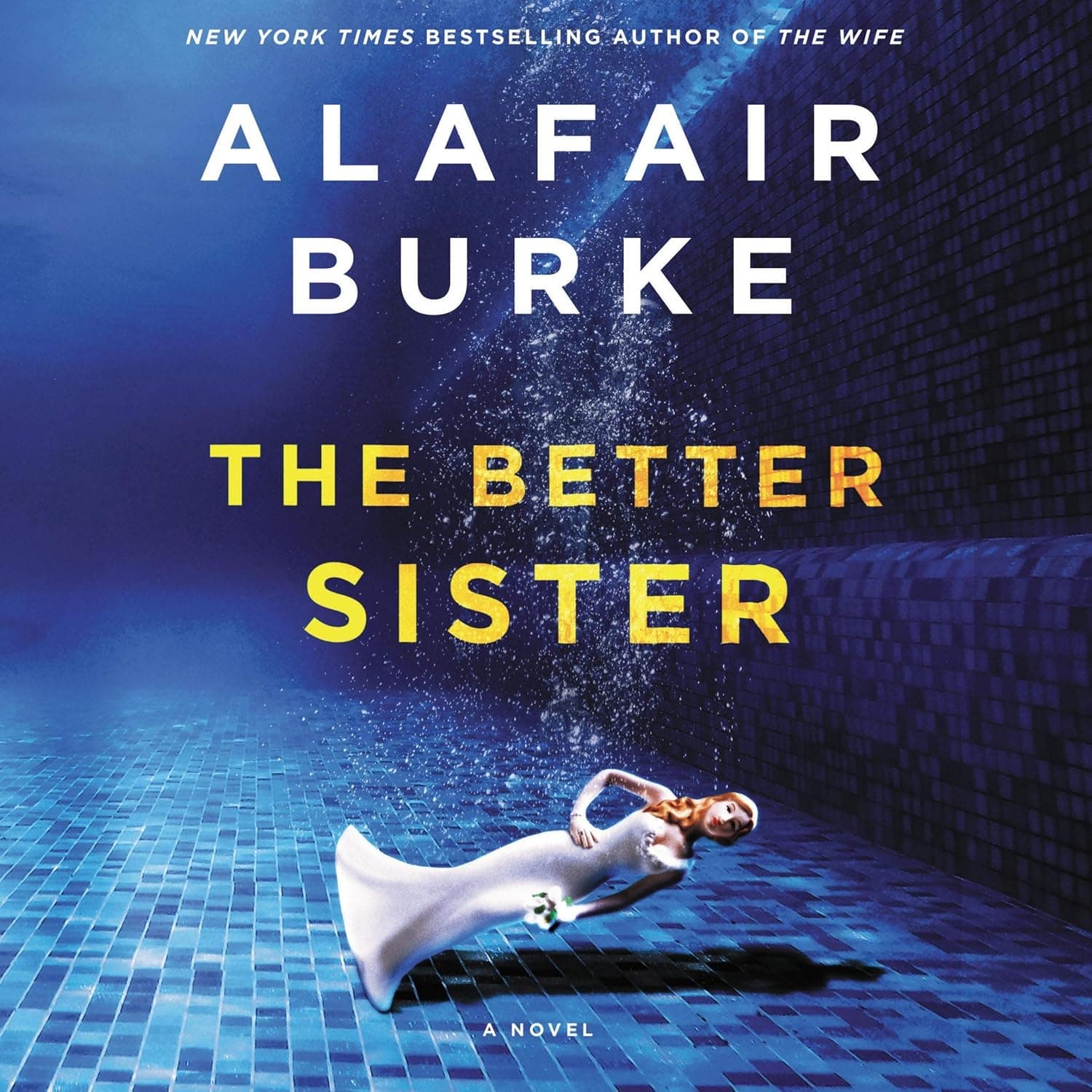
Opening
The trial explodes the family’s polished facade. As Ethan Macintosh faces a murder charge, Chloe Taylor watches her life—and her long rivalry with Nicky Macintosh—refract through secrets about Adam Macintosh that no one can keep buried anymore. What begins as a courtroom drama pivots into a raw reckoning with trauma, truth, and loyalty.
What Happens
Chapter 26: The Military School Bombshell
Jury selection drags for four tense days, with most potential jurors already soured on Ethan by the media circus. Prosecutor Mike Nunzio strides in sleek and unfazed, telling the jury that Ethan is a privileged teen with “affluenza,” a boy who killed to avoid consequences. Chloe and Nicky sit in court; Nunzio doesn’t object to their presence even though they’re on the witness list. When the medical examiner’s photos of Adam’s brutal injuries appear, Chloe—who found the body—has to leave.
The state’s first witness, Detective Jennifer Guidry, holds firm until cross-examination, when Ethan’s attorney, Olivia Randall, underscores a glaring hole: no gun, no DNA, no blood—no physical evidence tying Ethan to the crime. Then Margaret Carter, the head of Ethan’s school, Casden, takes the stand. She revisits the gun-in-the-backpack incident and contrasts Chloe’s smoothing-over impulse with Adam’s alarm. Her shocker: a month before his death, Adam confided he planned to send Ethan to military school, that his son had “lost his way,” and that he feared Ethan inherited “the destructive traits of his mother.”
Carter goes further. Adam told her he had the “final say-so” as Ethan’s father; Chloe was “only his stepmother.” Worse, Carter admits she told Ethan about the plan, hoping to jolt him. Ethan’s response lands like a grenade in the courtroom: “He can’t do that to me. I’ll find a way to stop him.” In Olivia’s hotel suite afterward, Chloe swears she knew nothing about military school. Olivia bristles at the incomplete picture Chloe’s given the defense. Under pressure, Nicky rashly offers to confess to protect Ethan; Olivia shuts it down immediately.
Chapter 27: Sisters and Secrets
Weeks into trial, Chloe and Nicky slip into a careful truce—commuting together, sharing chores. At Sunday dinner with Chloe’s friends, Catherine Lancaster and Jake Summer, Nicky teases Chloe about her chemistry with Jake, who takes a call from the New York Times mid-meal.
That night, wine loosens long-locked memories. The sisters pick at Cleveland childhood stories until they hit the nerve Chloe avoids: their father’s drinking and abuse. Nicky confronts Chloe’s selective memory and then, starkly, tells the truth—her father once came into her bed and sexually assaulted her, mistaking her for their mother. Chloe’s idealized past collapses. She sees Nicky’s life, choices, and pain anew and finally apologizes. Before bed, Nicky shows a Times piece on the Gentry Group—Adam’s recent obsession—revealing a federal corruption probe and quoting Jake’s firm as counsel.
Chapter 28: Chloe on the Stand
Chloe testifies before a packed gallery. Nunzio casts her as an image-obsessed public figure, parading magazine covers and awards to imply vanity and control. He pivots to the trolling Chloe endures online, asking about usernames—including “KurtLoMein.” The handle rings a bell.
Then Nunzio strikes the alarm-system nerve. Though Chloe told police the family rarely used it, records show routine use—four activations the night of the murder. He asks the question that freezes the room: if she believed an intruder killed Adam, why didn’t she change the security code? Chloe admits she never did. Nunzio tries to read from a document capturing Adam’s verbal attacks on Ethan—“You’re a loser, a druggie zombie... just like your mother”—but Olivia’s objection sticks, and the judge calls recess. In the hallway, Olivia orders Chloe and Nicky to wear “poker faces.” Then the twist: the next witness is the police tech. Ethan is KurtLoMein.
Chapter 29: The Video
Back at the hotel, Olivia spreads the receipts—printouts of every KurtLoMein post. Ethan’s words seethe with resentment at Chloe’s curated persona, painting her as a hypocrite who chooses optics over reality. The only gentler note is his last post, just before arrest, hinting she might be a “victim, too.” Then Olivia plays the most damaging evidence yet: a video on Ethan’s laptop, recorded two weeks before the murder.
On screen, Adam storms Ethan’s room, unleashing the exact tirade Nunzio tried to read in court. He calls Ethan “a loser, a druggie zombie,” sneers he’s just like his mother, and spits a slur at Nicky—a “dysfunctional invalid.” The footage is raw, ugly, undeniable. During the drive back to East Hampton, Nicky discloses that Adam belittled and sometimes physically intimidated her the same way when they were married. She admits she tried to mold herself into Chloe’s image to survive. Shaken, Chloe replays the alarm-code question in her head. A text from Olivia arrives: Ethan has to testify.
Chapter 30: The Detective’s Hunch
The narrative shifts. On a rare day off, Guidry scans the Times piece on the Gentry Group and spots Jake Summer of Rives & Braddock quoted. The name plus Chloe’s earlier claim that Adam met someone in Kew Gardens snaps into focus: the FBI’s regional office sits beside the Kew Gardens station—the exact spot Adam’s Uber records show.
Guidry follows the thread. She calls FBI Agent Damon Katz, an old contact, and leaves a voicemail: did his office have contact with Adam in May about Gentry Group? She doesn’t expect a reply mid-investigation, but the question opens a new door. Maybe Adam’s death ties to a federal probe, not just a family implosion.
Character Development
The courtroom peels back performance and defense strategy to expose who these people are without their myths. Masks drop; histories surface; alliances shift into something sturdier than convenience.
- Chloe Taylor: Her self-image cracks. She confronts her blind spots—about her father, about Adam, about Nicky—and begins to trade glossy control for honesty and empathy.
- Nicky Macintosh: By naming her trauma, she claims power. Her blunt truth-telling turns rivalry into a protective, hard-won sisterhood.
- Adam Macintosh: Posthumously recast as controlling and abusive, he moves from idealized patriarch to the latest link in a chain of harm.
- Ethan Macintosh: The troll posts reveal rage and hurt; the video reframes him as both wounded son and unreliable narrator, a complexity the jury must parse.
- Detective Jennifer Guidry: Quietly relentless, she widens the lens beyond the domestic sphere, reasserting investigative rigor when the case seems narrowly decided.
Themes & Symbols
- Family Secrets and Lies surface through courtroom testimony and late-night confessions: Adam’s military-school plan, Ethan’s hidden online persona, and the sisters’ buried childhood history. Each revelation collapses a comforting story someone needed to believe.
- Domestic Abuse and Its Legacy threads across generations. The father’s violence echoes in Adam’s cruelty; Nicky’s and Ethan’s suffering shows how abuse mutates yet persists, shaping memory, behavior, and blame.
- Sisterhood and Rivalry evolves from scorekeeping to solidarity as Chloe listens and Nicky trusts her with the worst truth. Their renewed bond becomes the emotional center of the defense.
- Truth, Deception, and Perception governs both courtroom theater and private life. Chloe’s curated persona can’t withstand digital footprints, video evidence, and testimony that invert public narratives.
- Public Image vs. Private Reality drives Nunzio’s strategy and the defense’s counter: awards, profiles, and posts set against a home video of verbal assault.
- Betrayal and Loyalty collide in Ethan’s trolling, the sisters’ past grievances, and their present decision to stand together, even if it means exposing their dead.
- The Alarm Code: Left unchanged—still Ethan’s birthday—it becomes a symbol of Chloe’s divided mind: a failure to guard against an “intruder,” or an unconscious acknowledgment that the threat lives inside the family.
Key Quotes
“He can’t do that to me. I’ll find a way to stop him.”
Ethan’s reaction to military school supplies the prosecution with motive in his own words. It also reveals a teen cornered by control, complicating whether the statement is threat, panic, or both.
“You’re a loser, a druggie zombie... just like your mother.”
Adam’s filmed tirade converts rumor into evidence. The echo of Nunzio’s line shows the tape’s corroborative power; it reframes Ethan’s defiance as a survival response to sustained abuse.
“Why, if you believed an intruder killed your husband, did you never change the security code?”
Nunzio’s question wounds Chloe’s credibility and plants doubt about the intruder theory. The code becomes less about home security and more about psychological truth.
“Dysfunctional invalid.”
Adam’s demeaning label for Nicky exposes his pattern of targeting vulnerabilities to control. The slur ties his treatment of Nicky to his treatment of Ethan, strengthening the theme of cyclical harm.
“Victim, too.”
Ethan’s final post about Chloe suggests a late-breaking shift in perspective. It hints at fragile empathy—the kind that could sway a jury if Ethan testifies credibly.
Why This Matters and Section Significance
These chapters mark a pivot from whodunit mechanics to why—it—happened psychology. Military school, the troll account, and the video systematically dismantle the family myth and force the defense to argue context: abuse, fear, and fractured perception. Chloe and Nicky’s reconciliation gives the case a moral backbone just as Guidry’s FBI lead suggests a second story running beneath the first. The trial no longer asks only whether Ethan killed Adam; it asks whose narrative about this family the jury will believe—and whether a larger conspiracy has been hiding in plain sight.