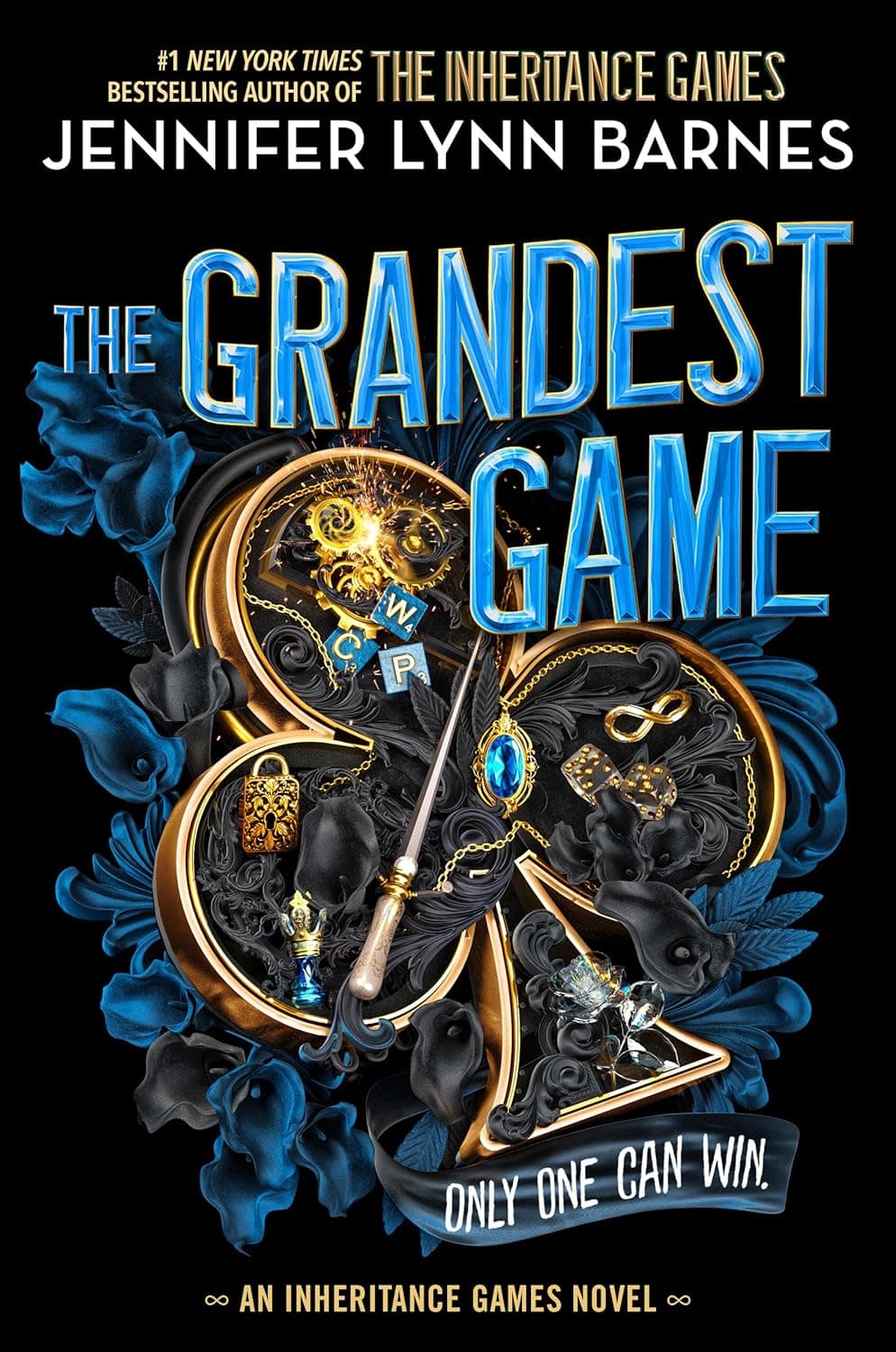
What This Theme Explores
In The Grandest Game, Competition and Ambition asks what people will risk—and who they will become—when the stakes feel existential. For Rohan, ambition is inheritance and dominion over the Devil’s Mercy; for Gigi Grayson, it’s the right to define herself on her own terms; for Lyra Kane, it’s the chance to safeguard home and family; for Savannah Grayson, it’s vengeance transmuted into purpose. The game becomes a crucible that converts motive into action, forcing players to measure desire against cost. The theme probes whether ambition is noble or corrosive—and how competition clarifies, distorts, or weaponizes the “why” behind every move.
How It Develops
At first, competition appears clean and external: puzzles to solve, resources to claim, and a leaderboard to climb. The island’s opening scramble puts raw drive on display as players jostle for position—Knox Landry and Gigi spar over gear and space, turning scarcity into a proving ground. Early ambitions seem straightforward—win the prize, claim independence, secure a future—yet even then, rivalries and micro-alliances hint that the contest is already about more than points.
The “Grandest Escape Room” phase complicates everything by forcing collaboration. Teamwork exposes fault lines; shared goals collide with private agendas. Psychological games, like the charged Truth or Dare between Rohan and Savannah, convert secrets into leverage. The arena shifts from grid maps and mechanics to nerves and ethics, and ambition becomes a chess match of vulnerabilities—what truths you’ll trade, which lines you’ll cross, who you’ll let close.
By the end of the first phase, the field narrows and ambitions sharpen. Competitors who remain have proven adaptable and ruthless, and their plans crystallize: alliances become transactional, with endgame betrayals priced in. When Rohan proposes a pact with Savannah, the story reframes victory as a final duel of wills. The game is no longer a spectacle but a battlefield, and ambition, stripped of illusion, is revealed as a code each character has been writing in blood and strategy all along.
Key Examples
Across set pieces and confrontations, the narrative turns private motives into public contests that push the players past endurance and into revelation.
-
Rohan’s Exile and Plan: The Prologue anchors his ambition in legacy, not mere cash. The buy-in to claim the Devil’s Mercy makes every move double as a bid for power, putting him in direct competition with entrenched authority.
“There’s a buy-in.” The Proprietor cut to the chase. “To take control of the Mercy, you must first purchase your stake. Ten million pounds should suffice.”
-
Gigi’s Independence: When she refuses a ticket from Avery Grambs, ambition becomes a matter of self-authorship rather than access. She chooses the harder path to prove that victory means nothing if it isn’t earned.
“Tell Avery thank you—but no.” Gigi didn’t want anyone’s guilt. She didn’t want their pity. She didn’t want Grayson Hawthorne to think for even a second that she wasn’t strong enough. (Chapter 1-5 Summary)
-
Physical Contests: The flagpole climb pits will against muscle, making the body itself a battleground. Neither Rohan nor Savannah will yield, translating internal resolve into literal upward momentum.
She climbed harder, faster, but Rohan had four inches, half an arm’s length, and a lifetime at the Devil’s Mercy on her. (Chapter 11-15 Summary)
-
Savannah’s Vow: After a loss, she reframes defeat as fuel, promising domination rather than mere recovery. Ambition here is a manifesto: losing once just defines the scale of the comeback.
“For the record,” Savannah said, standing with her back to him at the edge of the trapdoor, “this was the last time you will ever beat me to anything.” (Chapter 36-40 Summary)
-
An Alliance of Ambition: Rohan’s proposal to Savannah treats partnership as a strategic interlude before inevitable conflict. Their pact honors clarity over sentiment—cooperate now, then compete without mercy.
“At that point, we’re free to do everything in our power to take each other down.” (Chapter 61-65 Summary)
Character Connections
Rohan turns survivalism into statecraft. Raised in the shadow of the Devil’s Mercy, he approaches the game as a series of leverage points—buy-ins, bargains, and gambits—making his ambition feel both ruthless and oddly principled. His drive isn’t hunger for chaos; it’s hunger for control, and that makes him the character most fluent in transforming competition into long-term power.
Savannah recasts ambition as vendetta. She reads every challenge as a battlefield and every person as an obstacle, converting setbacks into vows. Where Rohan strategizes toward a dynasty, she competes to settle a score—and the ferocity of that purpose makes her the narrative’s most combustible competitor.
Lyra’s ambition begins with duty: save the family, preserve home. Yet as the game tightens, her choices tangle emotional loyalties with tactical aims, revealing how easily altruism can be pulled into the gravitational field of high-stakes competition. Her arc asks whether protecting what you love can coexist with playing to win.
Gigi competes to be seen as herself, not as anyone’s appendage. Her cheerful chaos coats a steely resolve: success handed down isn’t success at all. Refusing shortcuts turns the game into a mirror—every puzzle solved becomes proof that identity can be earned.
Knox, paired in history and tension with Brady, embodies two clashing responses to trauma. Knox’s ethic is surgical—do what needs to be done—while Brady’s is reparative, fueled by the hope of righting past wrongs. Their friction shows how ambition can either calcify into ruthlessness or soften into responsibility, with competition forcing the choice.
Symbolic Elements
-
The Grandest Game: The island contest literalizes meritocracy and its illusions, creating a closed system where rules seem fair but power still tilts the board. It’s a laboratory that reveals the true cost of “winning.”
-
The Golden Tickets: Opportunity made tangible. Gigi’s pursuit of a wild card underscores that access without agency hollows victory; the ticket matters only if earned, not bestowed.
-
Swords: From décor to armament, blades mark the story’s combative ethic. They signal that progress requires cutting—through lies, through rivals, and sometimes through one’s own scruples.
-
The Scoreboard: A numeric hierarchy that keeps ambition on display. Its shifting ranks feed obsession, turning progress into spectacle and pressuring players to perform success as much as achieve it.
Contemporary Relevance
In an era of leaderboards, hustle culture, and personal branding, the novel’s portrait of ambition feels uncomfortably familiar. The pressures on young competitors to optimize every move, monetize every gift, and curate every perception echo the island’s relentless metrics. By dramatizing the private toll of public striving—strained loyalties, moral drift, the temptation to see people as ladders—the book asks what a “win” is worth if the self who claims it is diminished. It invites readers to interrogate their own buy-ins: which goals are truly theirs, and which costs they refuse to pay.
Essential Quote
“At that point, we’re free to do everything in our power to take each other down.”
This line distills the theme’s paradox: cooperation in service of inevitable competition, clarity without cruelty, ambition without apology. By naming the alliance as temporary and the rivalry as destiny, it reframes winning as an ethical agreement to contend at full strength—no self-deception, no half-measures, just the pure calculus of desire versus cost.