The Human-Animal Bond
What This Theme Explores
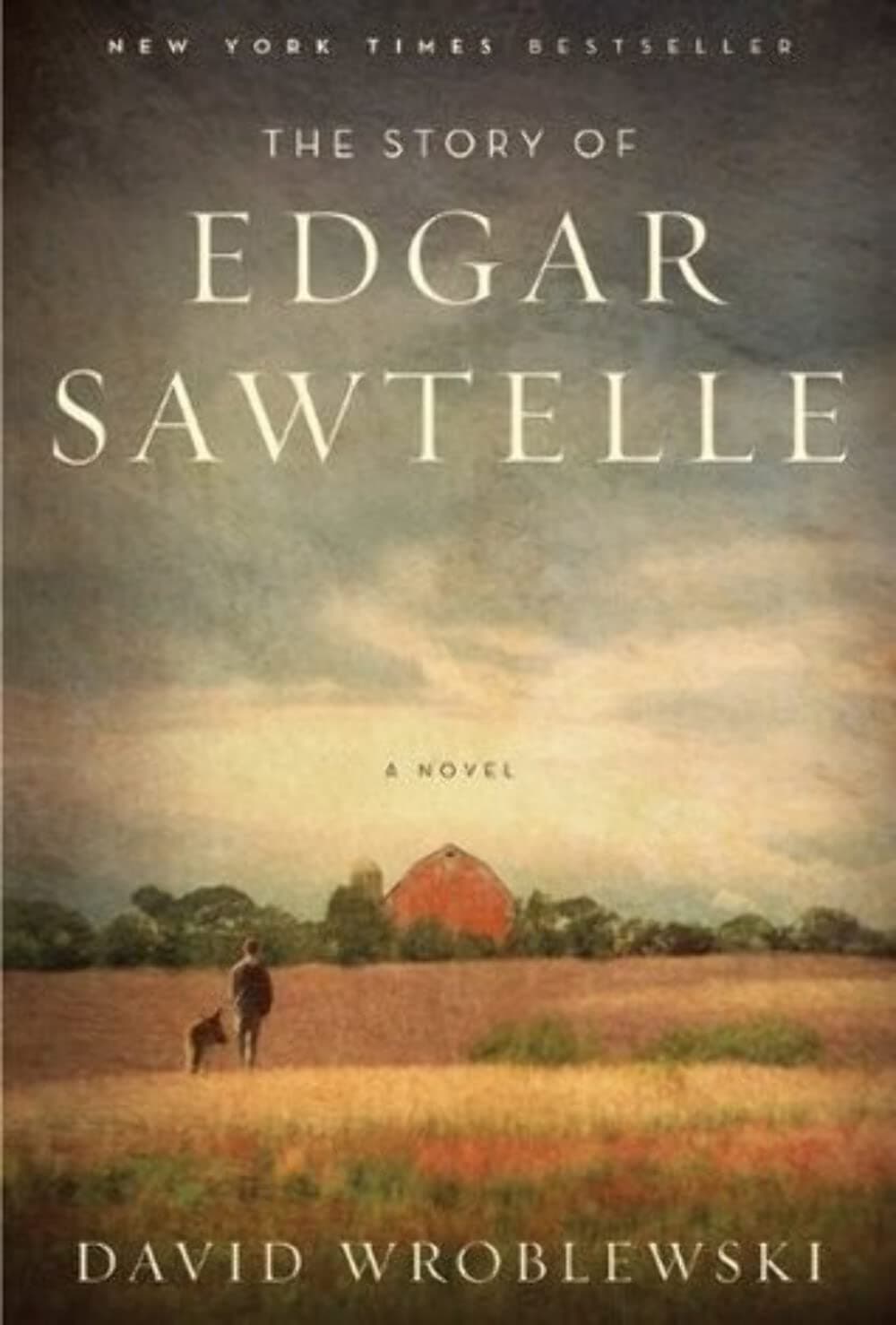
The Human-Animal Bond in The Story of Edgar Sawtelle asks how love, trust, and meaning can flourish across species without words. It explores whether communication is something spoken or something felt—built from attention, routine, and reciprocal choice. For Edgar Sawtelle, silence sharpens perception, and his relationship with Almondine reveals a language of touch, gaze, and shared purpose. The novel ultimately probes the ethics of training and care, suggesting that true partnership requires patience, consent, and a willingness to be changed by the other.
How It Develops
The bond is seeded in the family’s origin story: John Sawtelle’s encounter with Captain inspires a “vision” of a breed shaped not by pedigree but by a felt nearness between human and dog. From the start, the kennel is less a business than a sanctuary where attention, naming, and care are rituals of relationship. Almondine’s vigilant presence in Edgar’s infancy shifts the household into a triangular intimacy—mother, child, dog—establishing that the Sawtelle way depends on canine attunement as much as human instruction.
As Edgar grows, the bond matures from caretaking to collaboration. Under Gar’s gentle philosophy—valuing what dogs “choose to do”—Edgar reads to litters, signs to pups, and treats their curiosity as the basis for learning. His slow-earned friendship with the stray Forte tests the ethic of consent: progress comes through presence and choice, never force. Against this, Claude’s utilitarian handling of dogs feels efficient yet hollow, revealing how technique without empathy empties the bond of its moral content.
In the novel’s final movement, tragedy presses the bond into a survival pact. In the Chequamegon, Edgar and his dogs—Essay, Baboo, and Tinder—operate as a single organism, navigating danger through shared alertness and wordless negotiation. His decision to leave Tinder and Baboo with Henry Lamb acknowledges that bonds can be rehomed without being broken, and the dispersal of the Sawtelle dogs suggests a legacy that lives on wherever human care meets canine agency.
Key Examples
-
John Sawtelle’s Founding Vision: The family’s entire endeavor springs from an intimate, almost mystical recognition—John sees in Captain and Vi the blueprint for a dog bred for communion, not mere function. The breed becomes a symbol of a chosen kinship, a lineage of listening as much as breeding, grounding the farm’s work in reverence rather than control.
Gripping Captain’s paw, John Sawtelle was visited by an idea. A vision. He’d spent so much time with pups lately he imagined Captain himself as a pup. Then he thought about Vi—who was the best dog he’d ever known until then—and about Captain and Vi combined into one dog, one pup... From A Handful of Leaves
-
Almondine as Edgar’s Guardian: Almondine translates Edgar’s needs before he can, proving that care can be accurate and tender without speech. The scene makes Almondine both sentinel and interpreter, establishing a template for Edgar’s lifelong reliance on canine understanding.
She drew her tongue along his mother’s face, just once, very deliberately, then stepped back. His mother startled awake. After a moment, she shifted the blanket and its contents and adjusted her blouse and soon enough the whispery sounds the baby had been making were replaced by other sounds Almondine recognized, equally quiet, but carrying no note of distress. From Almondine
-
Edgar’s Connection with the Puppies: Edgar treats the kennel like a classroom of equals, reading and signing to pups as if initiating them into a shared language. This nurtures confidence and curiosity—the foundation of a bond based on mutual recognition rather than fear.
He captures them between his legs and reads to them, hands in motion before their upturned muzzles. The mother comes over and they peep like chicks when they see her... Winnie-the-Pooh is a good story for puppies. From Edgar
-
Befriending the Stray: With Forte, Edgar proves that trust is coaxed by steadiness and choice, not dominance. The dog’s “undecided” state captures the fragile space where consent can be earned—and where the bond, if honored, can begin.
When Edgar held out his hand, the dog stepped closer and at last licked the blood and grease from his fingers. Edgar ran his free hand through the dog’s ruff. He knew then it was possible to bring the dog in the rest of the way... The dog wasn’t crazy. Not all its trust was gone. It was undecided, that was all. From The Stray
-
Survival in the Chequamegon: On the run, Edgar and his dogs move as a coordinated unit—hunting, keeping watch, and reading each other’s cues to endure. Their quiet choreography shows the bond at its most practical and profound, where affection and training fuse into instinctive partnership. (Flight)
Character Connections
Edgar Sawtelle: For Edgar, dogs are not companions but co-authors of his identity; they provide the grammar for his silent life. With Almondine, he experiences not just protection but co-agency—together they solve problems, negotiate the world’s dangers, and construct meaning beyond speech.
Almondine: She embodies the novel’s claim that animals can practice moral attention. Her attunement—sensing distress, anticipating need—proves that the bond’s deepest work happens in the margins of language, where feeling directs action.
Gar: As the farm’s ethical spine, Gar treats training as conversation, listening for what a dog is ready to offer. His emphasis on choice makes the bond a shared project, arguing that respect yields reliability more durably than force ever could.
Trudy: Trudy translates empathy into technique, refining signals until complex tasks feel effortless. Her precision shows that skill and feeling are not opposites—the clearer the communication, the freer the dog’s willing response.
Claude: Claude drains the bond of reciprocity, valuing results over relationship. His competence without care becomes a moral warning: when animals are reduced to tools, humans diminish themselves as well.
Symbolic Elements
The Sawtelle Dogs: The breed is a living archive of the family’s values—attentive, communicative, and self-possessed. Each dog enacts the possibility that inheritance can be ethical as well as genetic.
The Kennel: More than a workspace, it’s a chapel for interspecies learning. Its routines—naming, handling, reading—turn daily labor into rites that sustain trust across generations.
Forte (the stray): Forte symbolizes the bond’s most radical claim: that belonging can be offered to the unclaimed. His wary acceptance shows that trust is not owed; it must be invited and chosen.
Contemporary Relevance
In a world newly attentive to animal cognition and welfare, the novel’s vision of cross-species communication feels urgent. It models training as consent-based and relational, anticipating modern practices in therapy and service animals while challenging transactional pet culture. The story also speaks to isolation—how nonverbal connection can stabilize us, regulate fear, and offer dignity to those (human or animal) whose voices are overlooked.
Essential Quote
She drew her tongue along his mother’s face, just once, very deliberately, then stepped back. His mother startled awake. After a moment, she shifted the blanket and its contents and adjusted her blouse and soon enough the whispery sounds the baby had been making were replaced by other sounds Almondine recognized, equally quiet, but carrying no note of distress.
From Almondine
This moment captures the theme’s heart: an animal reads a human state, intervenes with care, and alters an outcome without a single word. Almondine’s deliberate act is both interpretation and instruction, teaching the household to trust canine perception. The scene establishes the bond as ethical action rooted in attention—a language of rescue and regard.