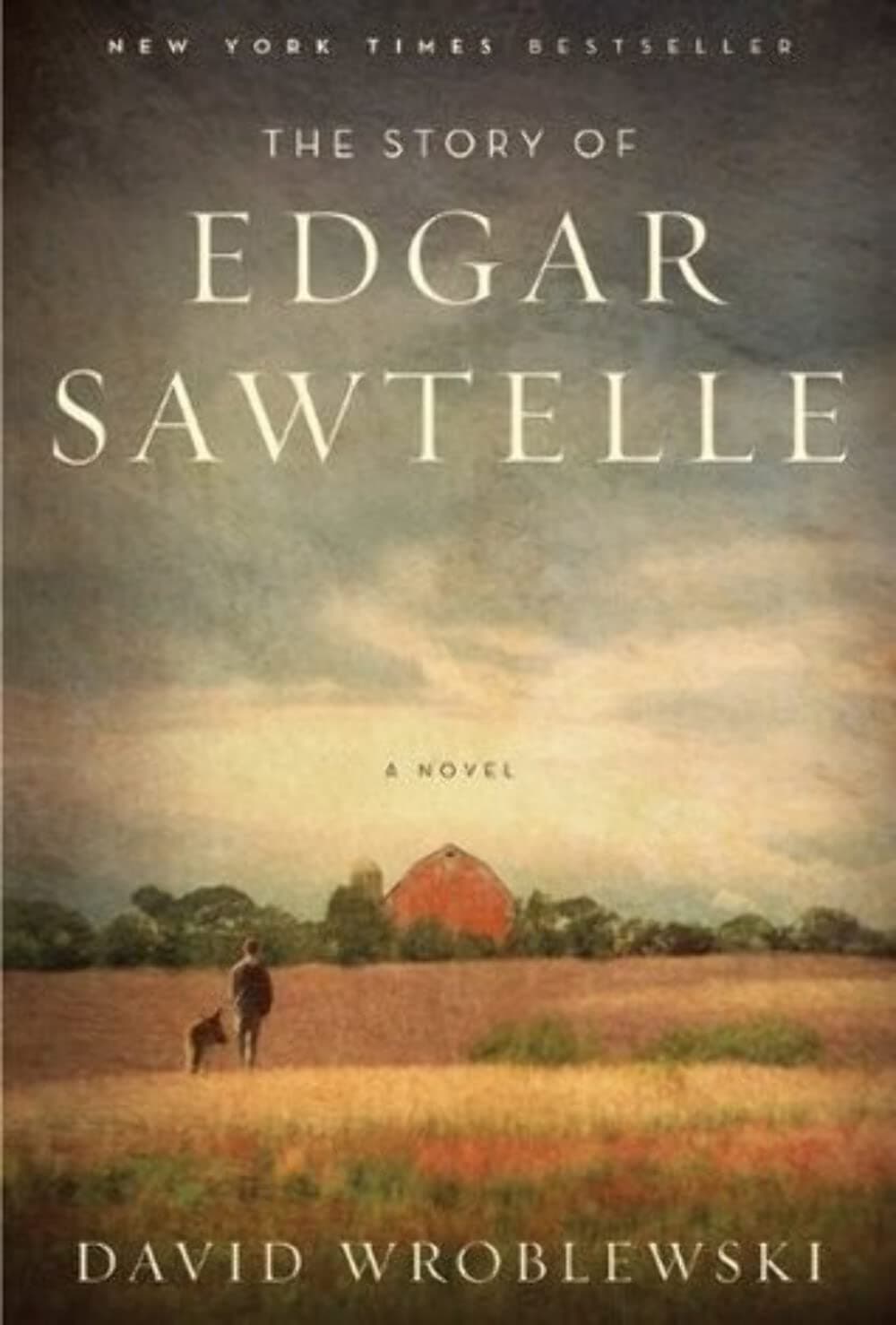
At a Glance
- Genre: Literary fiction; family saga; coming-of-age tragedy; modern Shakespearean retelling
- Setting: Northern Wisconsin, primarily the early 1970s
- Perspective: Third person with shifting viewpoints, including human and canine consciousness
Opening Hook
In a secluded Wisconsin kennel, a boy who cannot speak learns to converse with dogs better than with people—and then loses everything. The arrival of a charming, dangerous uncle upends a family devoted to breeding a singular line of dogs, and a quiet life turns ominous. As suspicion hardens into certainty, the boy’s attempt to expose a hidden crime sparks a flight into the wild and, ultimately, a return home to settle debts no one can escape. What begins as a pastoral story of work and love becomes a fierce meditation on loyalty, language, and fate.
Plot Overview
Edgar Sawtelle’s world is a farm tucked into the northern woods, where his parents raise Sawtelle dogs—animals trained not just for obedience but for discernment and partnership. Born mute, Edgar Sawtelle signs with his family and shares an uncanny bond with his first companion, Almondine. Under the steady guidance of his father, Gar Sawtelle, and his mother, Trudy Sawtelle, Edgar learns the rhythms of breeding and training, the patience of observation, and the ethics behind their lineage.
That fragile harmony breaks when Gar’s estranged brother, Claude Sawtelle, returns. Smooth and magnetic, Claude unsettles the kennel from the moment he arrives, and soon Gar collapses in the barn—an apparent aneurysm. Edgar, who witnesses the aftermath, becomes convinced Claude killed his father, a suspicion that deepens when Claude moves into the business and into Trudy’s life. The farm’s quiet routines turn into a daily test of allegiance and grief (see the Chapter 1-5 Summary and Chapter 6-10 Summary).
Determined to draw out the truth, Edgar stages his own version of Hamlet’s trap: using a litter of pups to “replay” the death and watch Claude’s reaction. The result is explosive—Edgar’s fear is confirmed, and he becomes a target. When a confrontation spirals and the local veterinarian, Doctor Papineau, dies in a tragic accident, Edgar bolts for the Chequamegon National Forest with three young dogs, certain he’ll be blamed and unable to trust anyone at home.
The wilderness hardens and remakes him. Living off the land, training the pups to survive, and navigating the edges of human contact, Edgar discovers a rugged autonomy. He finds momentary shelter and humane counsel with a solitary man, Henry Lamb, whose quiet generosity reframes what home might mean. In the forest’s vastness, Edgar’s wordless bond with the dogs becomes his compass and creed (see the Chapter 21-25 Summary).
A vision of his father’s ghost pulls him back. Edgar returns to the farm to confront Claude and to reclaim the Sawtelle legacy, only to meet a fate as fiery as any Shakespearean reckoning. A barn blaze becomes the stage for the last act: secrets surface, allegiances snap, and both Edgar and Claude die in the conflagration. As the kennel burns, the Sawtelle dogs scatter into the trees—an ending both elegiac and elemental (see the Chapter 51-54 Summary).
Central Characters
The novel’s tragedy grows from the fault lines within a family and the singular breed they’ve made. For more names and relationships, see the Character Overview.
-
Edgar Sawtelle: A mute boy whose intelligence and empathy are routed through gesture, attention, and the dogs he trains. His silence is not absence but pressure: he reads more than he speaks, and that acuity becomes both his gift and his doom.
-
Claude Sawtelle: Charismatic, aggrieved, and calculating, he brings volatility into a system built on trust and ritual. His charm masks a corrosive resentment; his intimacy with Trudy and takeover of the kennel convert private envy into public disaster.
-
Trudy Sawtelle: Practical, resilient, and grieving, she reaches for stability in the wake of loss and grasps at the wrong hand. Her divided loyalties—mother, widow, partner—give the novel its aching ambiguity.
-
Gar Sawtelle: The moral center whose death cracks the family’s code. Even in absence, he shapes the story—through memory, through the kennel’s methods, and, hauntingly, through the duty his son feels to right a wrong.
-
Almondine: Edgar’s sentinel and soulmate. Her perspective widens the book’s emotional range, proving that devotion and understanding can live outside words, and that the Sawtelle dogs are characters, not symbols.
-
Henry Lamb: A gentle recluse who offers Edgar shelter without interrogation. He embodies a humane alternative to the family’s closed circuit—kindness without ownership, guidance without demand.
Major Themes
Language, Communication, and Silence
Edgar’s muteness reframes what it means to say and to be heard. The book privileges attention, gesture, and pattern—how hands, routines, and dogs convey what voices cannot. In place of dialogue, the novel builds a grammar of trust, asking whether the deepest bonds are forged with or without words.
Betrayal and Revenge
Claude’s trespass—against brother, house, and legacy—sets the tragic engine in motion, and Edgar’s response binds him to a script older than himself. The book interrogates vengeance as duty: justice is pursued at devastating cost, and the outcome satisfies the code but shatters the family.
The Human-Animal Bond
The Sawtelle dogs are partners, not pets—trained to perceive, decide, and collaborate. By granting them interiority, the novel insists that kinship can cross species, and that loyalty, grief, and love are not uniquely human experiences.
Coming of Age and Loss of Innocence
Edgar’s flight into the forest becomes his apprenticeship: he learns to lead, to endure, and to accept responsibility for others’ lives. That knowledge costs him childhood; competence arrives entwined with solitude, guilt, and the knowledge that choices cannot be undone.
Family and Legacy
The kennel is a living inheritance—methods, ethics, and bloodlines passed hand to hand. Its destruction marks more than physical loss; it’s the collapse of a philosophy, a way of making meaning, and a lineage that tied identity to shared work.
Literary Significance
The Story of Edgar Sawtelle stands out as a bold American transposition of Hamlet, preserving the play’s bones—ghost, usurper, feigned exposure, fatal return—while rooting them in the rituals of breeding, training, and caretaking. Its most original power lies in how it maps consciousness across species, elevating nonverbal exchange to a moral and aesthetic principle and challenging readers to rethink communication itself. The prose is lush without excess, steeped in the textures of northern Wisconsin and in the craft of the kennel, yielding an immersive, slow-burn tragedy that rewards patience. Embraced by critics and readers alike (and widely read in book clubs after its 2008 publication), it helped reassert the large-scale, character-driven American novel; notable passages are collected on the Quotes page.