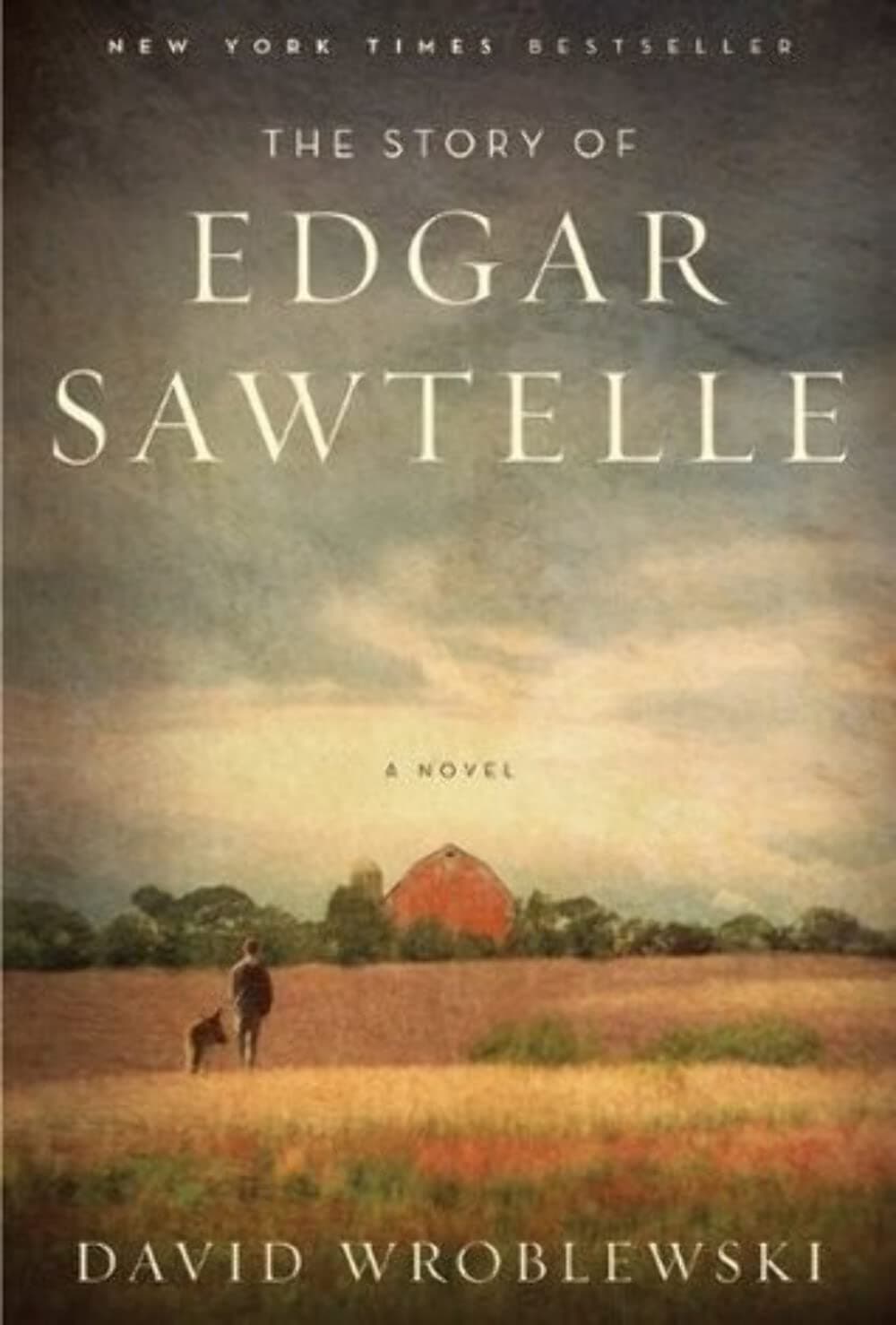
The Elusive Nature of Truth and Deception
What This Theme Explores
The Story of Edgar Sawtelle probes how truth can be both urgently necessary and maddeningly unreachable—filtered through grief, desire, and the limits of language. It asks whether truth is something one can prove or only believe, and whether seeing is the same as understanding. The novel also interrogates how silence and narrative control enable deception to flourish, especially within intimate spaces like a family. Above all, it tests whether bringing a buried truth to light heals or destroys the very bonds it was meant to save.
How It Develops
The novel seeds deception at its core: Claude Sawtelle murders his brother, Gar Sawtelle, while Edgar Sawtelle silently observes more than he can ever say. That unspeakable knowledge becomes a fault line in the family. Trudy Sawtelle, reeling from loss, opts for the refuge of Claude’s presence rather than the terror of suspicion, inaugurating a pattern of self-deception that keeps the truth at the margins.
As Claude embeds himself in the farm’s rhythms, truth grows more elusive. Edgar’s attempts to communicate are dismissed as misinterpretations or adolescent grief, while Trudy’s denial hardens into an emotional logic: if Claude is helping, he cannot be guilty. Claude’s greatest deceit is not just the murder but a slow rewrite of the family story, with himself as caretaker and peacemaker—a narrative that appears practical, comforting, and therefore persuasive.
Edgar then pivots from witness to author of evidence, staging the dogs in a performance that reenacts the crime—an echo of Hamlet’s “play within the play” and the book’s most explicit attempt to convert suspicion into spectacle. In What Hands Do, the scene lands like a shock, provoking Claude’s panicked flight and giving Edgar the certainty he needs—but it fails to persuade those who most need to be convinced, spotlighting the chasm between public display and inward conviction.
When Edgar flees into the Chequamegon, the theme moves from the courtroom of appearances to the interior theater of belief. In In the Rain, Gar’s ghost confirms the poison, giving Edgar a truth that feels absolute—and yet is unverifiable to anyone else. Truth becomes both clarifying and isolating: a revelation that deepens resolve while severing Edgar from communal validation.
Finally, Edgar returns home to force a reckoning, and the barn becomes both stage and crucible. The competing narratives—Claude’s careful lies, Trudy’s fragile hopes, Edgar’s unshareable certainty—collide in a conflagration that destroys evidence, history, and lives. The fire’s erasure is thematic judgment: even when truth flares into view, it may arrive too late, consume too much, and leave nothing behind to witness it.
Key Examples
-
Claude’s Deceptive Stories: Claude weaponizes narrative, telling Edgar a fabricated story about Gar shooting his dog, Forte, to recast Gar as volatile and himself as longsuffering. By poisoning memory, he makes the past harder to trust, which in turn makes present truths harder to believe. This strategy reframes the family’s moral center without ever presenting facts—only a compelling story.
-
The Play With the Dogs: Edgar trains his litter to reenact the murder, culminating in Essay pressing a syringe to Claude’s leg, an act staged in A Way to Know for Sure. The performance transforms private suspicion into public accusation, forcing Claude to react. But because it relies on symbol and suggestion, observers can dismiss it as a strange spectacle rather than an evidentiary claim.
-
Trudy’s Self-Deception: Trudy chooses the comfort of moving forward with Claude over the anguish of interrogating her doubts. Her denial is not ignorance but a survival tactic, showing how grief can create a psychological refuge where the truth feels intolerable. The cost is cumulative: every refusal to look squarely at evidence makes the truth both more distant and more destructive when it finally surfaces.
-
The Ghost’s Revelation: Gar’s apparition in the rain names the poison and confirms Edgar’s suspicions, granting him moral certainty but no admissible proof. The scene reframes truth as something intimate and subjective—real for the believer, invisible to the skeptic. Edgar is empowered as a knower and isolated as a communicator, intensifying the novel’s tragedy.
Character Connections
Edgar Sawtelle embodies the paradox of truth-seeking in a world that resists hearing. His muteness sharpens his perception but limits his reach, making him both the keenest observer and the least effective advocate. His arc traces the doomed path from witness to dramatist to avenger, suggesting that possession of truth without a means to share it can deform into desperation.
Claude Sawtelle personifies deception as charisma, competence, and caretaking. He understands that lies thrive when they look like help: repairing the farm, soothing grief, telling stories that make sense of chaos. His greatest triumph is narrative control—reshaping the family’s understanding of the past so thoroughly that the present cannot contradict it.
Trudy Sawtelle represents the seduction of comforting stories when reality feels unbearable. Her grief makes deception feel like mercy, and the novel treats her self-deception with compassion even as it shows its consequences. Her tragedy is temporal: by the time she recognizes the truth, it can no longer repair anything.
Gar Sawtelle is the buried truth that refuses to disappear. His ghost literalizes the novel’s moral claim that truth seeks acknowledgment; yet even his return cannot guarantee belief. He stands as both memory and indictment—proof that truth may exist independent of evidence but still struggle to transform the living.
Symbolic Elements
The Poison: First introduced in the Prologue, the vial embodies deception that looks like nature—an untraceable death masquerading as chance. It is secrecy distilled: invisible, effective, and deniable. As a symbol, it links concealment with intimacy, since it kills from within and leaves almost no mark.
The Barn: Repository of labor, lineage, and lore, the barn becomes the arena where private truths are staged and contested. It houses the murder, the play, and the final blaze—folding evidence and performance into a single space. Its destruction signals that both truth and lies, once unleashed, can be equally consumptive.
Silence: Edgar’s muteness turns communication into choreography and evidence into art. His silence is both a barrier and a mirror: it reflects a family unwilling to speak painful realities while enabling deception to fill the void. In the end, silence is not just Edgar’s condition—it is the medium in which the family’s tragedy is written.
Contemporary Relevance
In a world saturated with misinformation and persuasive narratives, the novel’s distinction between seeing and believing—between spectacle and proof—feels urgent. Claude’s gaslighting echoes modern dynamics of psychological manipulation, where controlling the story can eclipse the facts. The book also warns how self-deception, often born of grief or fear, can stabilize a life while quietly undermining it. The cost of avoiding hard truths, the novel suggests, is paid later and with interest—by families, communities, and institutions alike.
Essential Quote
“He walked into the rain with the syringe in his hand, night-blind from the barn lights... Edgar held out the syringe. This was under the stairs. Yes. What does it mean? You’ve seen him use one. Claude?”
This vision fuses certainty and solitude: Edgar receives confirmation that resolves his doubt but cannot be independently verified or easily shared. The passage crystallizes the novel’s thesis that truth may arrive as revelation rather than evidence—and that such truth, while morally decisive for the knower, rarely compels belief in others. It marks the pivot from investigation to tragic inevitability, where conviction outpaces the world’s willingness to hear it.