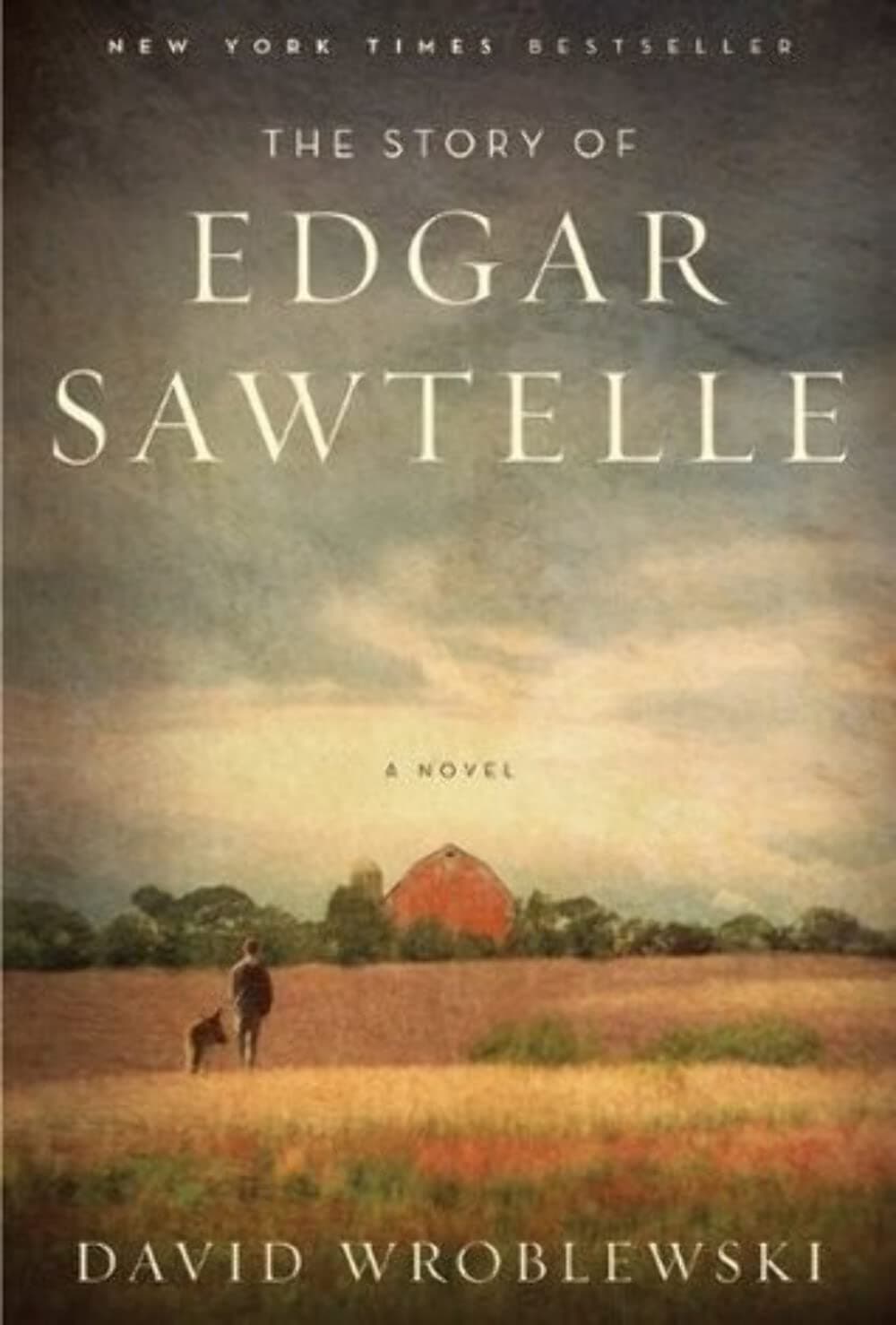
Opening
Shock closes in after Gar Sawtelle’s sudden death. As Edgar Sawtelle and his mother Trudy Sawtelle struggle to function, a fire-thawed grave, a procession of dogs, and a cache of letters pull their grief into purpose. Training lessons, illness, and a catastrophic kennel night force choices that draw Claude Sawtelle back into their lives—ready or not.
What Happens
Chapter 11: Funeral
In the kitchen, Doctor Papineau cooks a plain meal no one can taste. The house sits inside the hush of Grief and Loss. Trudy gathers herself and starts calling: Edgar’s principal first, then Claude to deliver the news—she keeps the exchange short and refuses his offer to come out. Her final call is to the sheriff, Glen Papineau, to arrange a meeting. When she learns an autopsy is required, the information staggers her.
That night, Edgar and Trudy sleep in the living room rather than be alone. Edgar drifts through jagged images of the barn and a suffocating shame, convinced that “everything once true in the world was now past.” Almondine keeps watch, padding between them. Morning chores in the kennel offer a thin cord of normalcy before they drive to Mellen to meet Glen.
Chapter 12: The Sheriff’s Office
At the spare, cold station, Glen questions them. Trudy shields Edgar, often answering for him; Edgar signs that his memory breaks apart around the moment in the barn. He remembers barking, climbing down from the mow, and finding Gar on the floor, but not the collapse itself or how the phone got smashed—an uncertainty that surfaces Truth and Deception. Is this trauma, or is he hiding something?
Trudy explains they never built an emergency plan for Edgar because he is capable and resourceful. Pressed about Gar’s health, she says there were no issues. Edgar recounts that his father was conscious but could not speak, then went still; he claims not to remember Doctor Papineau arriving.
After the interview, Doctor Frost consults privately with Trudy. Back in the truck, she tells Edgar the autopsy result: a cerebral aneurysm—sudden, painless, not hereditary. They head to the funeral home.
Chapter 13: The Burial
They choose a resting place by a stand of birches on the farm, but the hired men cannot break the frozen ground. Edgar suggests building a fire. Trudy takes command, ordering a towering bonfire that roars through the night. The blaze becomes their vigil: grief made visible, and will against winter.
By the fire’s light, mother and son talk softly about what comes next—about happiness, about Trudy’s past, about the work they might yet do. The conversation binds them, ember by ember.
At the service among the birches, a line of cars arrives, led by Claude. He guides a long procession of families and their Sawtelle dogs down the path, a living tribute to Gar’s work and the family’s Family and Legacy. Overwhelmed, Edgar runs to the house for Almondine, then returns with her to the grave. At the reception, Claude quietly organizes people and dogs with practiced competence—helpful, and unsettling.
Chapter 14: The Letters from Fortunate Fields
Weeks pass under the weight of chores. One evening, Trudy gives Edgar a choice: sell the breeding stock and move to town, or commit to “finish training” and become her partner—a decisive step in his Coming of Age and Loss of Innocence. She tells him they don’t sell dogs; they steward a lineage.
Edgar turns to his grandfather’s files and finds letters from Alvin Brooks of the Fortunate Fields guide dog program. The correspondence charts a prickly, then respectful exchange between Brooks’s scientific program and John Sawtelle’s intuitive art. Brooks begins as a skeptic and ends as an ally, helping connect Fortunate Fields blood to the Sawtelle line.
The letters probe Nature vs. Nurture and the audacious pursuit of “the next dogs.” Reading them locks Edgar’s resolve to carry the line forward.
Chapter 15: Lessons and Dreams
Edgar dreams of his father while Trudy begins teaching him the craft. With a simple hurdle, she shows that a trainer must decide exactly what they want before a dog can learn it—often the dog becomes the teacher. Over dinner, Doctor Papineau suggests asking Claude for help; Trudy erupts and shuts the idea down, exposing a raw fracture between the brothers.
Soon Trudy collapses with a brutal cough. Doctor Frost diagnoses pneumonia and warns that Edgar’s inability to cough makes infection dangerous. Trudy is confined to bed; Edgar is to keep his distance.
Edgar moves into the barn and tries to run the kennel alone. Exhaustion pushes him into shortcuts. One night he releases all the dogs at once to feed them, and chaos ignites: a fight explodes, Finch is hurt, the dog Epi bites Edgar’s arm, and Almondine explodes into defense, slamming Epi off him—a fierce embodiment of the Human-Animal Bond. Trudy staggers out into the night. Edgar, bleeding and overwhelmed, makes the only call he can think of: “Call Claude.”
Character Development
Grief reshapes the household, but the work of the kennel and the pull of legacy demand decisions. Each character hardens or softens in ways that set the next act in motion.
- Edgar: Thrust into responsibility, he shoulders shame, dodges (or suffers) gaps in memory, and clings to legacy through the letters. Pride and fatigue tip him into a disastrous mistake that teaches limits and humility.
- Trudy: Organizer and protector, she manages calls, commands a bonfire, and lays down an ultimatum. Her fury at Claude hints at hidden history; illness exposes vulnerability and the need for help.
- Almondine: A silent sentinel turned avenger, she keeps vigil over the grieving and then becomes Edgar’s shield in the kennel melee—devotion made physical.
- Claude: Mostly offstage, he arrives as a commander of logistics at the funeral and a looming solution to problems Trudy refuses to name. His competence is both comfort and threat.
Themes & Symbols
Grief and Loss saturate these chapters: the stunned kitchen, the exhausted sleep on the living room floor, the long bonfire night. Grief distorts time and memory; it isolates and then forces connection as chores and rituals reassert a rhythm. From that sorrow springs Coming of Age and Loss of Innocence: Edgar’s ultimatum, his study of the letters, and the kennel catastrophe reveal that intention alone cannot replace experience.
Family and Legacy flow through the birch-side funeral and the letter archive. The procession of Sawtelle dogs turns mourning into a communal rite that validates the work of generations; the letters give that work a philosophy. Truth and Deception hover over Edgar’s fractured account in the sheriff’s office, seeding suspicion that will matter later. The letters’ debate over Nature vs. Nurture reframes the kennel as an experiment spanning decades, fusing science and art.
The bonfire stands as a central symbol: at once a pyre and a beacon, it thaws the world so the family can lay their dead to rest. It is human will against winter and fate, turning paralysis into action.
Key Quotes
“everything once true in the world was now past.” This sentence captures Edgar’s dislocation in the wake of loss. It reframes the chapters to come: grief doesn’t just wound; it rewrites reality, forcing him to learn new rules fast.
“We don’t just sell dogs; we sell a meticulously crafted lineage.” Trudy’s creed recasts the kennel as an inheritance of ideas and practice. It clarifies why selling out would be a surrender of identity, not just a business decision.
“the next dogs” This ambition, echoed in the letters, becomes the family’s North Star. It blends idealism with rigor, binding the Sawtelle project to a future they may never see.
“Call Claude.” The line is a pivot from pride to necessity. It invites an estranged force back into the center of the story, promises conflict, and signals Edgar’s first hard concession as a leader.
Why This Matters and Section Significance
These chapters reset the novel after the inciting loss. The farm becomes both sanctuary and proving ground: rituals of care battle the entropy of grief, and Edgar’s apprenticeship begins for real. The bonfire, the birchside funeral, and the letters knit private sorrow to public legacy, while the sheriff’s interview plants doubts that darken the path ahead.
Most crucially, Trudy’s illness and the kennel disaster create a vacuum only Claude can fill. Edgar’s plea opens the door to the novel’s central conflict, positioning legacy, truth, and loyalty on a collision course that will define what the Sawtelle name means—and what it costs.