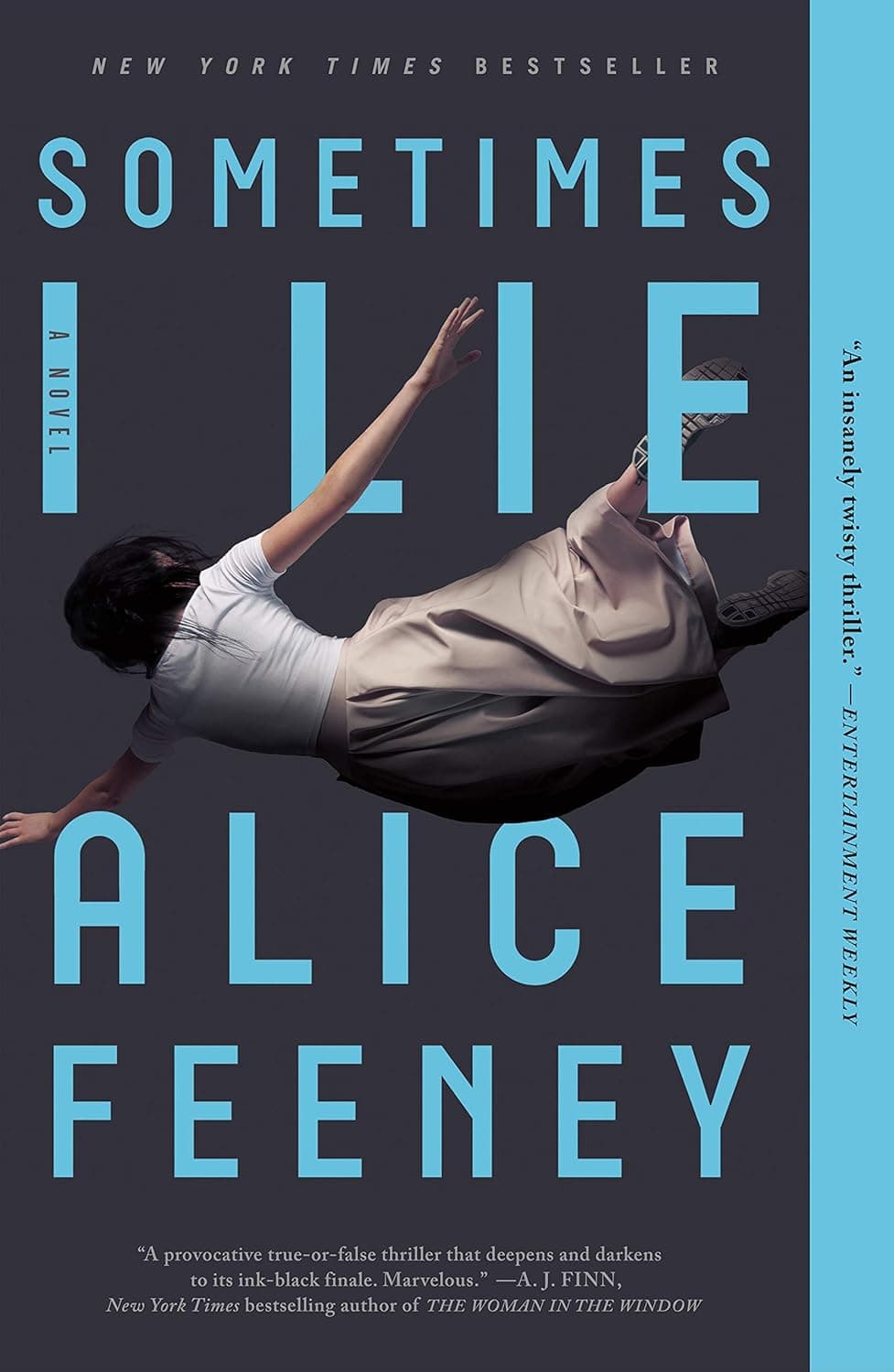
Opening
A night of terror, a marriage on the brink, and a childhood steeped in rage collide. Amber Reynolds wakes in her ex’s flat with no memory and unmistakable signs of violation, while the present-day hospital timeline exposes a lie that shatters her credibility. As reconciliation with Paul blooms, darker truths harden—obsession, secrecy, and a past that refuses to stay quiet.
What Happens
Chapter 36: Then (Friday, December 23, 2016—Early evening)
Amber wakes naked in a filthy bedroom—stale plates, old newspapers, unopened post—and her body tells a story her mind cannot: an ache between her legs, blue-green bruises on her knees. Her last clear memory is lemonade with her ex, Edward Clarke, at a pub, and the horrifying blank space that follows makes Memory and Reality blur. A framed photo by the bed—a younger Amber locked in a moment with Edward—confirms where she is. A man whistles in the shower.
She scrambles for her clothes. Her phone is gone from her handbag; in its place sits an unopened pregnancy test. When she spots her phone across the room, she grabs it just as the water stops. Panic surges. She bolts into a narrow hallway—and freezes. Two corkboards are plastered with hundreds of photos of her: university snapshots beside recent, candid shots on the tube, outside work, near her home. Edward’s obsession is systematic and long-standing, an unmistakable act of Manipulation and Control.
Amber runs, not bothering to close the door, and stumbles into the winter dark of the outdoor walkway. The cold hits, but the deeper chill comes from inside: the certainty that she has been watched, violated, taken. She staggers away, already carrying Trauma and its Lasting Effects.
Chapter 37: Before (Tuesday, December 15, 1992)
The diary narrator—young Amber—documents chaos at home. She’s suspended from school. Her dad stays home “to look after” her mother, who lies listless after a miscarriage. The girl’s voice shows no empathy; she’s glad there’s no baby and mocks her mother with a sing-song chant—“What shall we do with the drunken mother?”—outside the door. The entry channels Guilt and Blame, directing all fury toward her mother.
Her father announces they must move again. Nana has died, and her mother’s estranged sister—news to the narrator—wants her half of the house. The sudden revelation of a long-buried sibling rift foreshadows Sisterhood and Toxic Relationships. The girl processes it as betrayal: if her mother had taken better care of Nana, none of this would happen. The entry ends with a vow that calcifies into a wound: she will never forgive her.
Chapter 38: Now (New Year’s Eve 2016)
In her hospital bed, Amber feels hands in her hair as a nurse washes the dried blood away—then gentler hands replace them. Her sister, Claire, dries and plaits Amber’s hair the way she did when they were girls. The quiet intimacy breaks when Amber’s husband, Paul Reynolds, arrives with news that unsettles more than comforts.
He charged Amber’s phone, trying to reach her work friend Jo—but no “Jo” exists in her contacts. When he calls Amber’s boss, the station confirms: there’s no Jo at work, and apparently Amber has no work friends at all. The revelation detonates the façade Amber builds in her narration and turns the lens toward Deception and Unreliable Narration. In the same breath, Paul slips and tells Claire that Amber quit her job—another secret Amber meant to keep.
Chapter 39: Then (Friday, December 23, 2016—Evening)
Amber reaches home from Edward’s flat feeling filthy, shaky, and complicit. Paul’s car is outside. He says, “we need to talk,” and Amber braces for abandonment. She pours wine, goes on the offensive, and asks, “Who is she?”
Paul laughs and disarms the bomb: he isn’t cheating; he’s been meeting his agent. He wrote a new book in secret. It’s a runaway success—foreign rights, a bidding war, a film deal. The lacy underwear Amber found? A gift he bought for her in the wrong size, exchanged for the right one. Relief floods her, and she cries as he holds her. He explains his distance as focus, not betrayal.
They reconcile fast and hard. Paul must travel to America for promotion; Amber announces she quit her job and can go with him. She makes him promise not to tell anyone—especially family—about his success yet. Beneath the relief, her secrets throb: what happened at Edward’s, the still-unopened pregnancy test, and the knot of resentment and need coiled around Claire.
Chapter 40: Before (Friday, December 18, 1992)
The diary bristles with fury. An estate agent, Roger, shows their house while the narrator hides upstairs and listens to a couple call it “ugly” and a “fixer-upper.” Her body winds tight; sound rages in her head.
I felt my breathing get faster and things inside my head got really loud, the way they do when I’m very upset. I couldn't believe that anyone could be so rude and stupid. I didn’t know what I was going to do, I didn’t plan it, but I had to do something.
She explodes out of her room, screaming obscenities, driving them out. As they flee, she hurls a heavy cast-iron robin doorstop at Roger. It misses, dents the wall, and leaves a mark she can’t take back. Later, her mother says the house has sold to someone else. The girl shoves her mother away and retreats, grief curdling into rage.
Character Development
The section reframes who Amber is—both acted upon and actively deceptive—while shifting Paul from suspect to anchor and defining Edward as a clear physical threat. The diaries deepen the pattern: loss breeds anger; anger seeks blame; blame becomes identity.
- Amber Reynolds: Victim of violation and target of obsession, yet she also constructs fictions—most notably “Jo”—that fracture trust. She clings to control through secrets, even as her life careens.
- Paul Reynolds: Moves from red herring to stabilizing force. His secrecy masks success, not betrayal, and his love is steady—even as he remains unaware of Amber’s darkest truths.
- Edward Clarke: Revealed as a meticulous stalker whose shrine of photographs and probable assault make him the most immediate danger.
- Claire: A quiet, competent caregiver whose presence invokes childhood intimacy and rivalry; Amber’s mixed feelings toward her sharpen the emotional stakes.
- Young Amber (Diary Narrator): A child fluent in cruelty and eruptions of violence, driven by terror of instability and a need to assign blame.
Themes & Symbols
Amber’s crumbling self-story turns Deception and Unreliable Narration into the lens for every timeline. “Jo” isn’t a friend but a narrative prop, and its collapse makes readers re-evaluate every claim Amber makes—about love, danger, even herself. The strategic juxtaposition of revelation (Paul’s success) with concealment (Edward’s assault, the pregnancy test) intensifies that doubt.
Power thrives in shadows: Edward’s surveillance and likely drugging weaponize Manipulation and Control, stripping Amber of autonomy. The aftermath becomes the terrain of Trauma and its Lasting Effects, visible in her dissociation, shame, and flight. The “Before” chapters seed this present—anger and Guilt and Blame harden early, while the reveal of an estranged aunt threads in Sisterhood and Toxic Relationships that echo into adulthood. At the core lies the fracture between Memory and Reality: what Amber remembers, what she edits, and what the world exposes.
Symbols
- The cast-iron robin doorstop: Small, heavy, and potentially lethal—a perfect image of compacted rage and the sudden violence it can unleash.
- The stalker photo boards: A physical archive of obsession that collapses privacy into spectacle; proof that Amber has been curated and possessed.
- The unopened pregnancy test: A silent ultimatum. It embodies choice deferred, the terror of consequences, and Amber’s reliance on delay as control.
Key Quotes
“Something very bad has happened.”
Amber’s body supplies the truth her memory withholds. The line crystallizes the gap between felt reality and conscious recall, anchoring the novel’s fixation on memory’s unreliability and the shame that follows trauma.
“We need to talk.”
This stock phrase detonates Amber’s fear of abandonment and primes her to misread Paul. The moment exposes her reflex toward catastrophic thinking and how secrets warp communication.
“Who is she?”
Amber’s accusation reveals projection rather than perception. She imports her guilt and recent violation into her marriage, showing how trauma and deception contaminate trust.
“What shall we do with the drunken mother?”
The diary’s sing-song cruelty turns pain into mockery. It’s an early performance of blame that normalizes emotional distancing and foreshadows adult Amber’s capacity to rewrite others as villains.
“Mum has ruined everything for everyone and I’ll never forgive her.”
A child’s verdict becomes a lifelong sentence. The declaration locks grief into rage, shaping a personality that seeks control through condemnation rather than comfort.
Why This Matters and Section Significance
These chapters flip the story’s axis. Paul’s supposed affair dissolves into success, while two destabilizing truths surge forward: Edward’s calculated obsession and the exposure of “Jo” as a likely fabrication. The reader now occupies a tense dual posture—aligned with Amber’s fear yet wary of her version of events.
The past explains the present: the diaries map how instability breeds anger, how anger demands targets, and how those targets become the scaffolding of identity. The timelines together push the mystery beyond “Who harms Amber?” to the more unsettling “Who is Amber, and what does she make us believe?”