Opening
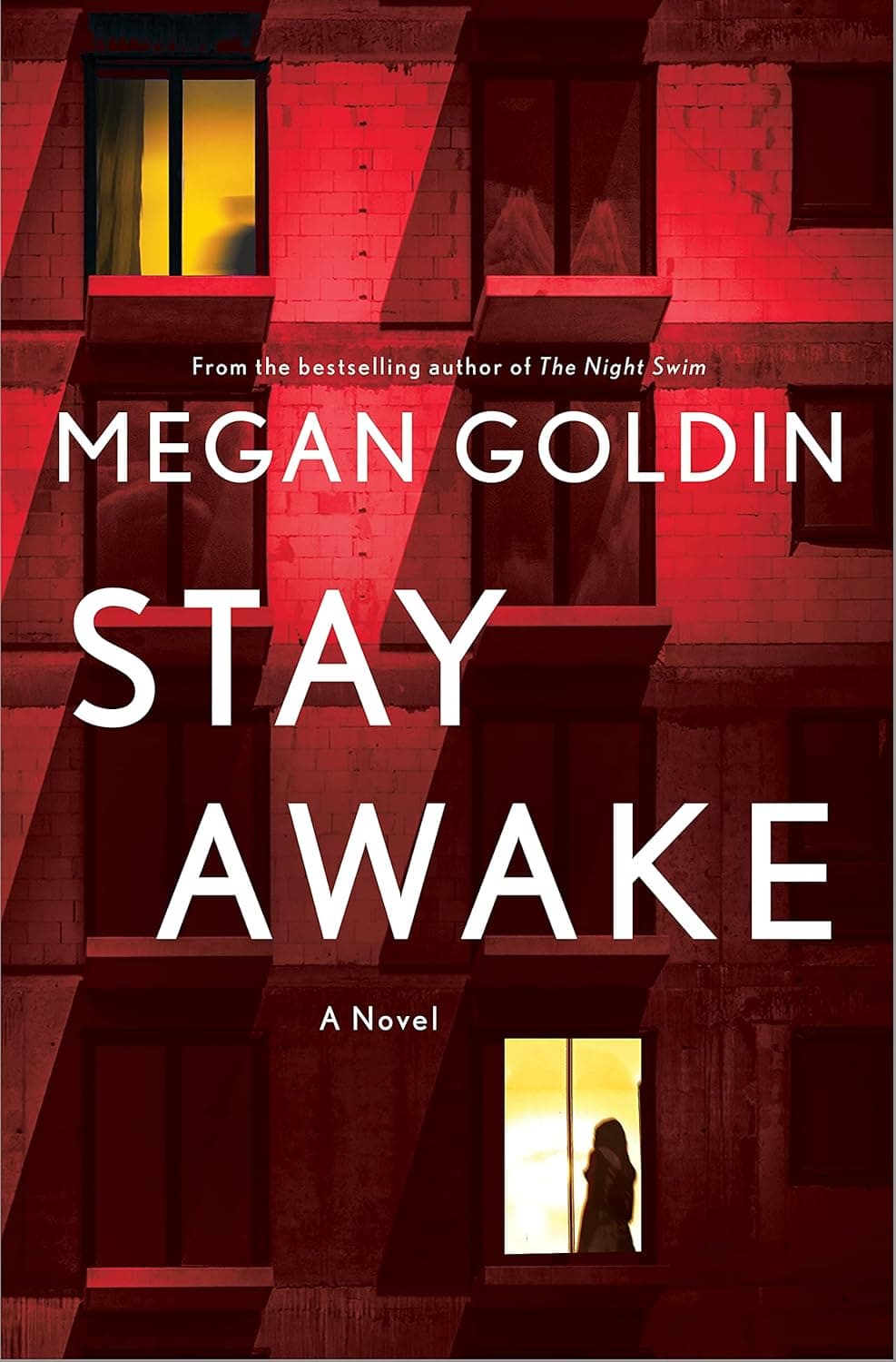
Desperate and sleep-starved, Liv Reese ricochets between flashes of clarity and terrifying blanks as the past and present collide. These chapters braid a relentless present-day search for answers with flashbacks that expose the careful, chilling construction of her amnesia—and the system that fails to protect her.
What Happens
Chapter 26: Wednesday 2:28 P.M.
Jolted by the words scrawled across her knuckles—STAY AWAKE—Liv slams two double espressos and hurtles toward Marco’s apartment, clutching the idea of Marco Reggio like a lifeline. She slips past the doorman and rides the elevator up, sweat and panic sticking to her skin. At his door, a woman with glossy hair and swollen lips floats past her like a ghost. The sight splinters her last hope, and Liv pounds the door, frantic.
A cleaner and the doorman pull her back. The doorman snaps that she shows up like this every few days and warns he’ll call the police next time. Shaken, Liv stumbles through the city until she finds herself at Bellevue, asking for Amy Decker. The receptionist says no such doctor works there and pages Dr. Brett Graham instead. Brett arrives in scrubs, gentle but firm, telling her it isn’t safe for her outside and asking her to wait for his rounds so he can explain. Terror surges; when the receptionist looks away, Liv bolts from the hospital, running until she collapses against a railing by the East River, sobbing.
Chapter 27: Two Years Earlier
Two years before, Liv walks home from a party with the uneasy sense of being followed. She blames wine and a disturbing art show. Back in her apartment, the anxiety lingers: her room was recently disturbed, and now the milk in the fridge is empty. She shoves a chair against her bedroom door and sleeps.
She wakes late—her alarm turned off—to a fresh, full carton of milk in the fridge. Amy’s bed is untouched. Then a text pings from an unknown number: Enjoy your coffee. I know how much you like it milky. Fear funnels into certainty: someone entered while she slept. At the precinct, Detective Krause dismisses her as confused or drunk, refuses to trace the text, and tells her to keep a journal. The dismissal leaves her exposed, the gaslight already lit.
Chapter 28: Wednesday 2:52 P.M.
Detective Darcy Halliday confirms with Homeland Security that Liv entered the country three weeks ago. The Brooklyn address on her arrival card matches the fingerprint database: the Interpol missing person, the woman whose prints stain a crime scene, and the victim of an attempted murder two years ago are one and the same. Halliday and her partner, Detective Jack Lavelle, head to the address.
Angela, the current tenant, answers. Around 3 a.m., a woman matching Liv’s description appeared, acting like she still lived there, asking for Amy Decker, accusing Angela of killing her cat. Angela calls her a “nut job.” After threats to involve the police, the woman leaves and hops into a cab. Halliday orders a junior officer to track the cab company and run a background on Dr. Amy Decker, whose name is still on the mail.
Chapter 29: Wednesday 3:23 P.M.
Liv’s awareness snaps on outside a shuttered bar called Nocturnal—the name inked on her hand. Her last memory is a ringing office phone, then a subway. In a nearby bodega, the shopkeeper greets her like a regular, worried about her exhaustion and caffeine habit. He puts her iced coffee on a tab she doesn’t recall having.
Outside, a younger man recognizes her, assumes she’s having a migraine, and offers to walk her home. He leads her to a building she doesn’t recognize. She insists she lives in Brooklyn; he gently says she moved. The doorman knows her too, hands over a key embossed with her name, and, clocking her confusion, presses the basement button for her. Liv steps into a narrow, dim corridor, finds the unit that matches her key, and stares at an electricity bill addressed to her. This is her home—one she doesn’t remember.
Chapter 30: Two Years Earlier
After kickboxing, Liv and Amy find an extravagant bouquet of red roses and a box of chocolates on their doorstep—likely a gift from Brett for Amy. When Amy is unexpectedly called in to work, Liv carries the flowers inside, pricks her finger on something sharp, and finds a gift card: “To L.” with a heart. She assumes they’re from Marco, texts him thanks, eats a truffle, and sinks into heavy sleep on the sofa.
A text from Marco jolts her: he didn’t send the flowers. Fear spikes—her stalker has escalated. The front door opens. A tall, unfamiliar shadow stretches across the wall. Drugged and paralyzed, Liv can’t move or cry out before the darkness swallows her again. Hours later, Amy returns—furious at a fake call-in. The roses are now perfectly arranged in a vase. When Liv thanks her, Amy says she didn’t do it. Liv did. The realization lands like a prophecy: even her memories can be rewritten.
Character Development
Liv’s transformation sharpens across timelines: a competent woman methodically stalked into self-doubt becomes a frantic survivor fighting a mind that resets without warning.
- Liv Reese: In the present, she scrambles through a maze of missing time, strangers who know her, and a home that feels alien. In the past, she trusts her instincts, then questions them as a stalker orchestrates subtle violations—texts, rearranged rooms, drugged gifts—that fracture her confidence.
- Marco Reggio: A beacon Liv clings to in the present; in the past, a presumed romantic link whose denial of the gift exposes the stalker’s ruse.
- Amy Decker: Liv’s anchor and intended protector; her absence (fake call-ins) becomes a tool used against Liv, and her name continues to surface at the center of the investigation.
- Brett Graham: A calm, authoritative presence who appears to hold answers and urges safety, positioning him as a potential bridge between Liv’s lost past and perilous present.
- Detective Darcy Halliday: A focused, pattern-seeing investigator who threads together identities across databases and timelines, pushing the case forward.
- Detective Jack Lavelle: Halliday’s steady partner, facilitating the legwork—addresses, witnesses, cab records.
- Detective Krause: The embodiment of institutional disbelief; his dismissal teaches Liv not to expect help and emboldens her stalker.
Themes & Symbols
The novel tightens its grip on the question of who gets to define reality. Liv’s world hinges on memory—what she keeps, what is taken, and what is planted. In the present, her identity splinters: she lives on tabs she doesn’t remember opening, in an apartment she doesn’t remember renting. In the past, carefully staged intrusions—replaced milk, silenced alarms—prime her to doubt herself. Together, they form a trap of Memory and Identity where self-knowledge becomes the battleground.
Across both timelines, the stalker engineers Liv’s dependence and confusion, mapping a playbook of Vulnerability and Manipulation. Police indifference magnifies the danger, converting private terror into public invisibility. The story also probes The Unreliability of Perception: Liv’s senses flag danger, but authority figures—and sometimes Liv herself—explain it away. When the body betrays the mind (drugging) and the world rearranges itself (vases filled, alarms silenced), perception becomes a weapon.
Symbols
- Roses and chocolates: A romantic veneer masking coercion—an emblem of Trust and Betrayal. Beauty disguises harm; intimacy becomes the delivery system for control.
- Milk/alarm: Domestic mundanity turned sinister. Small alterations whisper, You can’t trust what you see—or what you remember.
- STAY AWAKE ink: A literal lifeline and a haunting manifesto—vigilance as survival.
Key Quotes
“Enjoy your coffee. I know how much you like it milky.” This text confirms an intimate breach: the stalker not only invades Liv’s home but studies her habits. The casual tone cloaks menace, turning comfort (coffee) into evidence of surveillance and control.
“Liv, I didn’t put the flowers in the vase... You arranged the flowers. Don’t you remember?” Amy’s words fracture Liv’s certainty and announce the stalker’s new tactic: manipulate memory to erase cause and effect. The line foreshadows the chronic amnesia that will define Liv’s present.
The doorman: she “shows up every few days” and he’ll call the police. In the present, Liv’s desperation reads as nuisance. The line reveals how her condition appears from the outside and how quickly institutions threaten punishment instead of protection.
Angela calls Liv a “nut job.” The label reduces a complex trauma response to ridicule, underscoring the social gaslighting that mirrors official dismissals and deepens Liv’s isolation.
Why This Matters and Section Significance
These chapters lock the dual-timeline engine into place: the past meticulously constructs the conditions for Liv’s amnesia while the present shows her stumbling through its wreckage. The drugged chocolates escalate the stalker’s campaign from psychological erosion to bodily control, directly prefiguring the memory blackouts that define Liv now.
On the investigative side, Halliday’s confirmations fuse multiple identities—missing person, victim, suspect—into one woman, tightening the net around the truth. Names like Amy Decker and Brett Graham surface in both timelines, signaling an imminent collision between what Liv believes and what the evidence will demand. The section reframes Liv not as erratic, but as a survivor of orchestrated erasure, challenging the systems and bystanders that mistake symptoms for character.