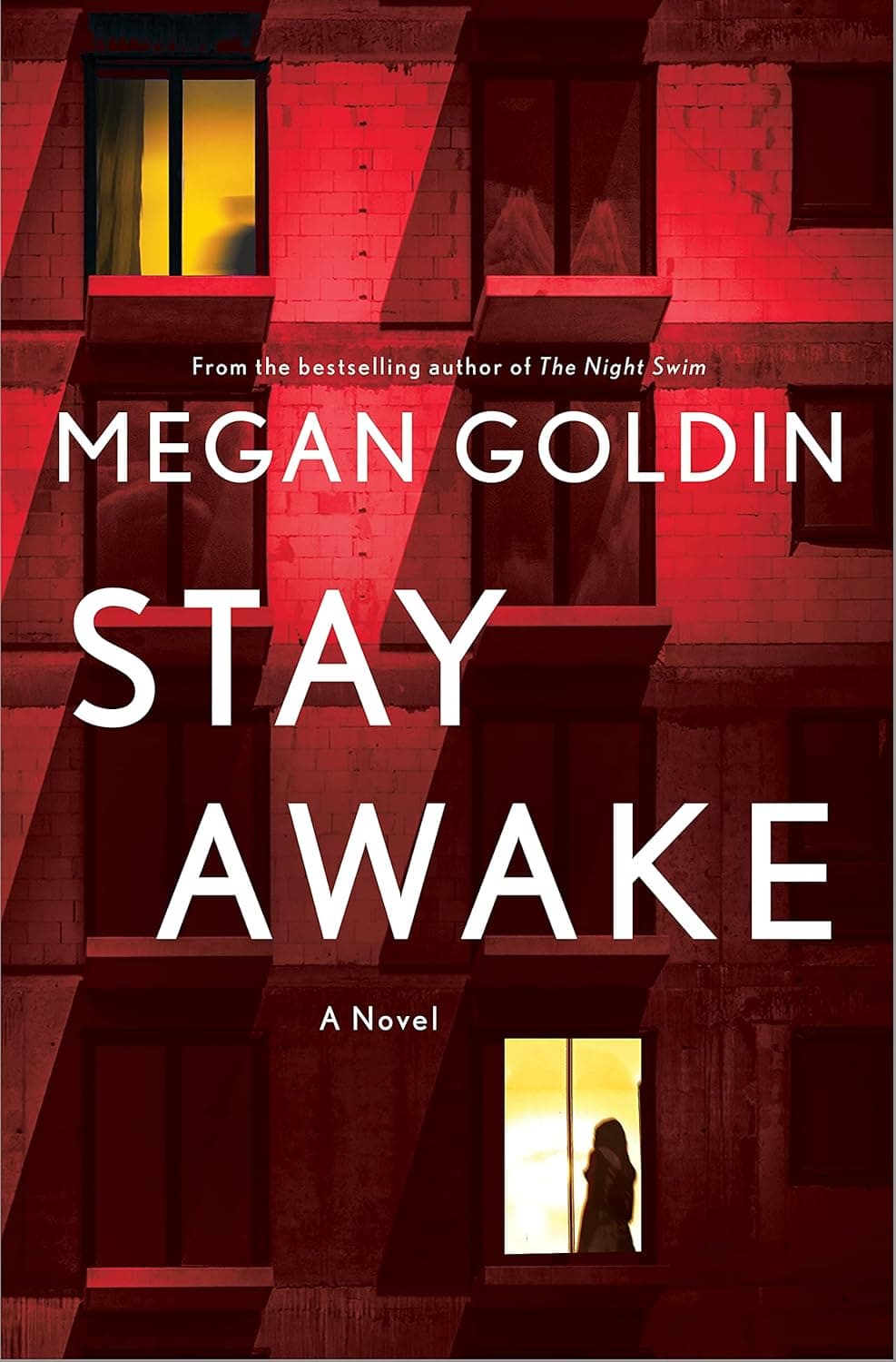
Opening
Two timelines collide as Liv Reese wakes into a life she doesn’t recognize while police close in on a murder suspect with her face. Guided by a story crafted by Ted Cole and haunted by gaps she can’t fill, Liv scrambles for truth and safety in a world where her own handwriting becomes evidence. The section drills into Memory and Identity, asking who Liv is when she can’t trust her mind.
What Happens
Chapter 51: Two Days Earlier
Ted leads Liv to a sleek, sterile apartment and insists she hide there for her safety. He drops a bombshell: her roommate Amy Decker and boyfriend Marco Reggio were murdered two years ago—and Liv was the third victim, stabbed and left with a jagged scar under her ribs. A newspaper clipping confirms the double homicide; Ted claims Liv’s amnesia forces her to relive the truth like it’s new every time.
Ted builds a history for them: they fell in love in London after she fled New York, got engaged, and broke up because Liv became “consumed” with solving the murders and refused to move back. He positions himself as a patient ex still trying to help, saying her memory has recently worsened and he has arranged for her to see Dr. Brenner. He instructs her to write everything down for her journal, presses cash into her hands, and makes her write his phone number on her palms. After Liv overhears him soothing another woman on the phone, he leaves. She drifts to sleep on the couch and wakes disoriented in the dark—just as a phone in her pocket rings. A voice says, “Amy needs your help,” and directs her to a bar called Nocturnal.
Chapter 52: Wednesday 8:40 P.M.
Back in the present, the precinct buzzes as tips flood in after the suspect video airs. Detective Darcy Halliday sifts through the noise and flags two solid leads: a hairdresser near the Cultura offices cut a zoned-out woman’s hair from long to very short that morning; the woman paid in cash and had “STAY AWAKE” on her hands. Then Dr. Brenner calls. He confirms Ted reached out weeks ago about Liv’s severe memory issues and that Liv arrived alone and distressed—hours late—to get scan results that afternoon. Given her condition, he expects she’ll seek a friend.
Another call lands: a cabbie picked up a confused, long-haired woman near the crime scene around 3 a.m. She reminded him of his mother with Alzheimer’s. He dropped her at a bar—Nocturnal.
Chapter 53: Wednesday 9:35 P.M.
Liv enters Nocturnal and feels a jolt of déjà vu—like an “alternate version” of herself stares back from the bar mirror. The bartender, Harry, greets her by name and slides over her usual: an espresso martini. When she says she’s never been there, Harry gently explains this happens every night; he gestures to her inked palms as proof. His calm familiarity rattles her.
Harry produces a cracked phone from behind the bar, insisting it’s hers; the thumbprint unlock proves it. As Liv fumbles with the device, her gaze snags on the TV above the bottles. A grainy frame freezes her blood: the woman onscreen is her.
Chapter 54: Wednesday 9:48 P.M.
The chyron reads: “Police searching for woman suspected of murdering magazine executive.” Officers file into the bar. Liv asks Harry for air; he hustles her through a STAFF ONLY door, shrugs his leather jacket around her, and ushers her out the back into an alley. She blends into the onlookers; someone hands her a flyer with her photo and name—Liv Reese—beneath the word “suspect.”
Hiding in a doorway, she unlocks the phone. Missed calls, frantic texts, and a final voicemail from Ted point her to an email. Inside sits a photo of a journal entry in her own handwriting. It repeats Ted’s entire narrative: Amy and Marco’s murders, Liv’s stabbing and coma, London with Ted, their breakup, and her escalating memory loss—plus a warning that the killer may be after her. Seeing her script makes the story feel irrefutable. Shaken and unwilling to face a public arrest, she dials the hotline on the flyer instead of walking up to the officers.
Chapter 55: Wednesday 9:49 P.M.
Halliday and Jack Lavelle reach Nocturnal moments too late. Halliday updates the search to short hair and circulates an edited image. A waitress points them to Harry, who confirms Liv is a regular and describes her nightly amnesia. He mentions she was there with a “nice guy, British”—Ted—two nights earlier, worried about her vulnerability. He hands over Ted’s business card, saying, “He’ll help you find her.” Halliday delivers the gut punch: the card is useless. Ted Cole is the overnight homicide victim, and Liv Reese is wanted for his murder.
Character Development
Liv’s world shatters and reassembles on other people’s terms, then she starts to seize the narrative for herself. Ted’s curated “truth” corrals her, but the bar, the phone, and the flyer force her to weigh trust against survival.
- Liv Reese:
- Accepts a past she can’t remember after the scar, clipping, and her own handwriting corroborate Ted’s story
- Confronts public exposure and self-doubt when she sees her face on the news and flyer
- Chooses to call the hotline—a pivot from passive confusion to cautious agency
- Ted Cole:
- Crafts a controlled backstory, dictates what Liv writes, isolates her, and positions himself as savior
- Leaves a digital and physical trail (cash, numbers, appointments) that binds Liv to his narrative
- Darcy Halliday:
- Filters chaos into action, fast-tracks leads (haircut, doctor, cab), and adapts the search in real time
- Closes distance on Liv while revealing the case’s central irony: their most promising “helper” is the victim
- Jack Lavelle:
- Supports the procedural push, reinforcing the methodical pressure bearing down on Liv
Themes & Symbols
Liv’s fractured sense of self anchors Memory and Identity. She can’t rely on recall, so artifacts—scars, clippings, a bartender’s familiarity, a phone—define her. The journal entry, bearing her handwriting yet echoing Ted’s words, becomes a counterfeit self: authentic in form, suspect in content.
The story leans into The Unreliability of Perception. Liv’s internal reality clashes with external consensus: she’s a “regular” at Nocturnal she doesn’t remember and a “suspect” she can’t exonerate. That gap invites Trust and Betrayal: Ted frames care as control, and every proof he offers doubles as manipulation. Vulnerability and Manipulation sharpen in the flashback; Ted exploits Liv’s amnesia to script what she believes, even weaponizing her journal against her.
Symbol: the phone. It acts as a key to a self she can’t access—thumbprint authentication transforms it into a technological identity token. Its contents—Ted’s messages, the journal photo—bind her to a version of the past she can’t independently verify.
Key Quotes
“Amy needs your help.”
- The anonymous call weaponizes Liv’s loyalty, steering her to Nocturnal and into the path of both truth and danger. It shows how easily her vulnerability can be exploited through a single, targeted phrase.
“You drink a couple of them a night.”
- Harry’s offhand comment collapses Liv’s denial. The casual detail—her usual, her frequency—cements the split between who she feels she is and who the world recognizes.
“Police searching for woman suspected of murdering magazine executive.”
- The chyron reframes Liv’s crisis from private confusion to public accusation. It raises the central dilemma: without memory, how can she defend herself—or know if she needs to?
“He’ll help you find her.”
- Harry’s confidence in Ted as rescuer lands as tragic irony. The card he offers becomes a dead end, underscoring how the story’s would-be protector is now the victim.
“Unfortunately, it’s not much use to us... Because Ted’s the man who was killed overnight. Liv Reese is wanted for his murder.”
- Halliday’s line snaps the threads together: the helper is the corpse; the woman searching for herself is the prime suspect. The investigation now runs headlong into Liv’s unraveling identity.
Why This Matters and Section Significance
These chapters pivot the novel from mystery to manhunt. The flashback installs a persuasive—but suspect—origin story for Liv’s amnesia, while the present-day pursuit compresses time until the near-capture at Nocturnal. Liv’s discovery of the flyer and the journal photo crystallizes the paradox at the heart of the book: her only “proof” comes from the man she’s accused of killing.
By calling the hotline, Liv chooses pursuit over hiding, setting up direct confrontation with the police and with the narrative Ted built for her. The section tightens suspense and clarifies stakes: identity, truth, and survival now move on the same ticking clock.