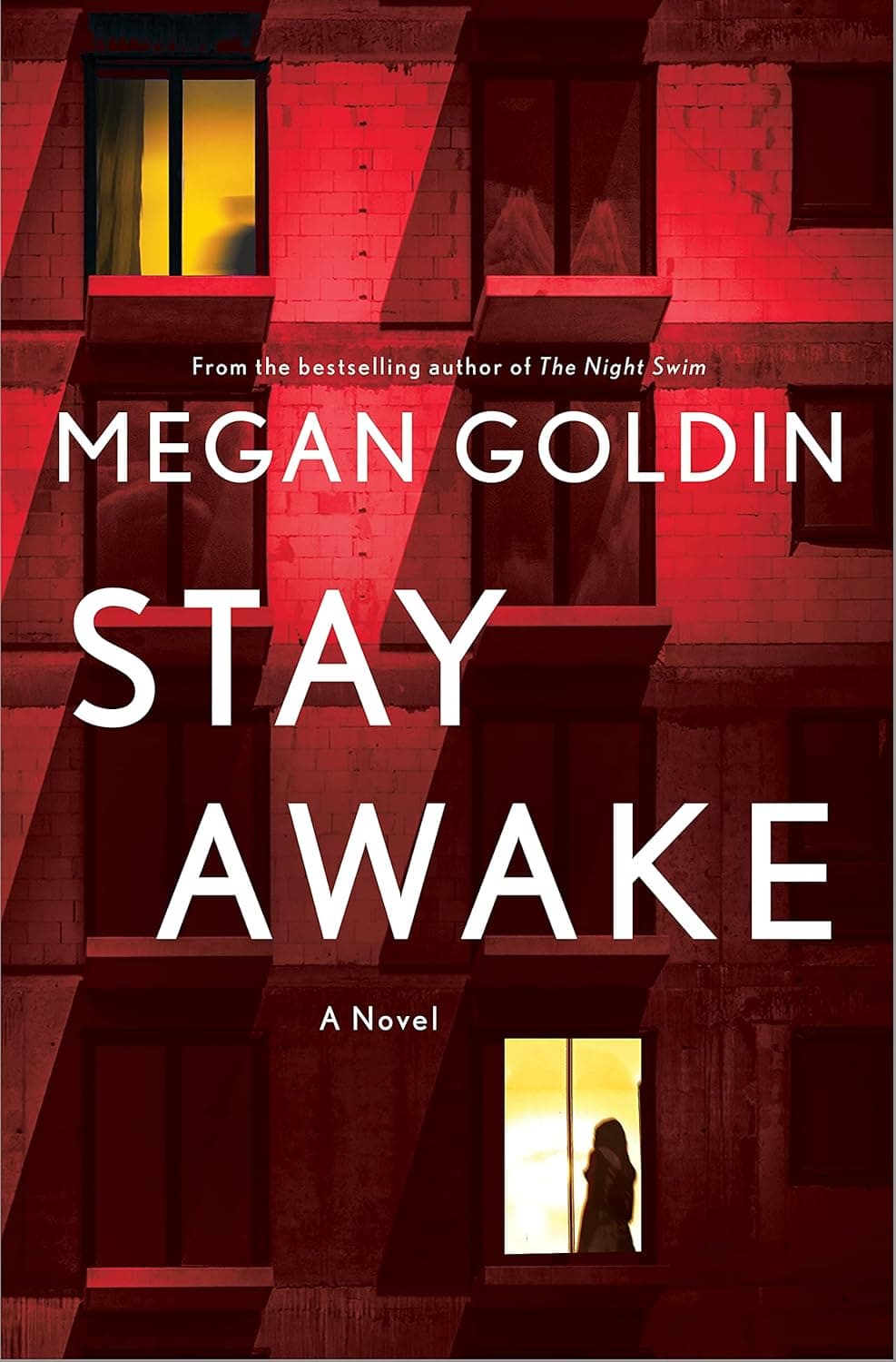
Opening
As police swarm the office, Liv Reese sees herself named as the prime suspect in a murder—and bolts. A flashback reveals a tense, secretive reunion with her ex, while in the present the detectives close in, and Liv’s fragile memory resets at the worst possible moment, pushing her into the arms of a manipulative stranger.
What Happens
Chapter 46: The Prime Suspect
At the buzzing, locked-down office of the magazine Cultura, HR orders everyone to stay for questioning. Liv’s phone rings: a man from the basement apartment calls again, warning that the police are there to arrest her and that “the net is tightening.” He claims Ted Cole asked him to protect her, instructs her to write his number on her hand with “Call for help,” and tells her to meet him outside a nearby coffee shop. His certainty slips neatly into her confusion.
The evening news blares: Ted Cole has been murdered. The screen shows grainy CCTV of a woman with long braids sprinting from the scene. Liv’s stomach drops—she recognizes herself, even though her hair is now short. Panic rising, she anticipates that her coworkers will connect the dots. She slips into the copy room, drowns out the sound of the fire door’s alarm with the machines, and vanishes into the alley. The moment crystallizes the danger of Trust and Betrayal and the trap of The Unreliability of Perception.
Chapter 47: Two Days Earlier
Two days before, Liv wakes on a camping mattress in a grim apartment papered with clippings and frantic notes. Pounding on the door, a British voice pleads to be let in—it’s Ted. She checks a Post-it above the frame: “DON’T OPEN THE DOOR TO ANYONE!!! EXCEPT TED.” She unlocks it.
Ted sweeps inside, locks up, and insists they have to go now because she’s in danger. He shows a photo of them, glowing and engaged; Liv, blank on their history, is stunned. He packs a duffel, asks about a journal she can’t remember, and promises to explain at a “safe house.” He hustles her down a back alley, into a car, and tells her to lie low in the backseat. The flashback deepens The Past’s Influence on the Present while shading Ted as both rescuer and gatekeeper.
Chapter 48: The Stakeout
Back in the present, Detectives Darcy Halliday and Jack Lavelle watch Liv’s old Brooklyn building. They hypothesize that if Liv sleeps and resets, she’ll drift to the last place she felt at home. Lavelle believes she killed Ted: her prints are at the scene, the “WAKE UP!” message mimics her memory aids, and the motive—an ex-fiancée scorned—fits. Halliday pushes back, calling the case “like an iceberg,” with far more hidden than seen.
Their stakeout exposes character: Halliday’s military past and the guilt of leaving an informant behind in Afghanistan fuel her meticulous, justice-first approach. Lavelle, a single dad with keen observational skills and a loner streak, notes the garbage cans lined up for morning pickup. He floats a theory: Liv could have ditched the weapon there. They decide to search.
Chapter 49: The Murder Weapon
Lavelle pops the trunk and unveils a full “trash collection kit”—coveralls, gloves, the works—while Halliday canvasses the building. Most residents don’t recognize the CCTV still. One neighbor does remember Liv and her former roommate, Amy Decker, and insists Liv didn’t kill Amy and her boyfriend two years earlier. She adds that just last week a man staked out the building, flashed Liv’s photo, and lied that he was her cousin.
When Halliday returns, Lavelle is waiting with two evidence bags: a blood-smeared T-shirt and a stainless-steel knife, also bloody. Convinced they’ve found the murder weapon, Lavelle has already requested an arrest warrant for Liv. Worse, their captain leaks the CCTV to the news; it airs while Liv is at Cultura, prompting her escape. She is now officially on the run.
Chapter 50: The Cycle Repeats
Liv heads to Penn Station to disappear. From office gossip, she pieces together that Ted was her ex-fiancé and feels an unfamiliar grief for a man she can’t recall. She uses a wad of cash from her pocket to buy a ticket to Miami, but exhaustion crushes her resolve. Despite repeating, “Stay Awake. Stay Awake,” she drifts off on a bench.
A conductor wakes her: the platform is closed; she missed her train by thirty minutes. Her memory is wiped clean again. With no idea why she’s there, she stares at her inked arms—“CALL FOR HELP” circles a number on her palm. She finds a payphone and dials. The same man answers, tells her she’s in danger, says she cannot go home, and orders her to meet him at a bar called Nocturnal. The moment spotlights Vulnerability and Manipulation at its starkest.
Character Development
These chapters tighten the psychological vise around Liv and split the investigative lens between hard evidence and human intuition, reshaping alliances and suspicions in real time.
- Liv Reese: Resourceful under pressure—she escapes a locked office—but her reset at Penn Station returns her to square one, dependent on instructions inked on her skin and the caller’s directives. The flashback shows how thoroughly she leans on Ted when lost.
- Ted Cole: Charismatic and urgent, he frames himself as protector while controlling information and movement. His “safe house” plan feels both caring and constraining.
- Detective Darcy Halliday: Her war-zone past informs her patience and empathy. She resists easy answers, pushing to see beyond what the evidence appears to say.
- Detective Jack Lavelle: Alert, procedural, and confident in physical proof. His trash-can hunch pays off, hardening his certainty about Liv’s guilt and sparking friction with Halliday.
Themes & Symbols
Memory as identity: Memory and Identity drives both plot and psychology. Liv’s resets don’t just erase facts; they erase the continuity that lets her test a story against her prior self. Each awakening is a reboot that strangers can overwrite, whether by charm, urgency, or forged proof.
Trust under siege: Shards of trust—Post-its, photos, voices on the phone—stand in for relationships. Perception blurs; the CCTV image indicts Liv even as her present-tense self doubts what she’s capable of. Physical evidence (a knife, a shirt, fingerprints) appears definitive, yet Halliday’s instinct and the neighbor’s report of a shadowy “cousin” hint at a narrative engineered to frame Liv. The novel pits clean-looking proofs against the messier truth they may conceal.
Key Quotes
“The net is tightening.”
- The caller weaponizes urgency, isolating Liv from institutional help and steering her into his orbit. The line suggests surveillance and inevitability, priming her to accept his plan without scrutiny.
“DON’T OPEN THE DOOR TO ANYONE!!! EXCEPT TED.”
- The Post-it externalizes Liv’s shattered memory, outsourcing trust to a past version of herself. It also hands Ted unchecked authority—who else could have written or planted it?
“It’s like an iceberg.”
- Halliday’s metaphor reframes the case: the visible tenth (CCTV, prints, a knife) may be misleading without the submerged context. It validates skepticism in a story saturated with planted signs.
“WAKE UP!”
- The message at the crime scene mirrors Liv’s coping mechanisms, collapsing the boundary between aid and accusation. What once kept her safe now damns her.
“Stay Awake. Stay Awake.”
- Liv’s mantra is survival strategy and tragic foreshadowing; once sleep arrives, her agency dissolves, and others write her next chapter.
“CALL FOR HELP.”
- The phrase appears to promise safety, but its vagueness makes it exploitable. With her past erased, any voice that answers the number can claim authority.
Why This Matters and Section Significance
The discovery of the knife and bloody shirt transforms suspicion into action: the police seek Liv’s arrest, and a captain’s leak catalyzes her flight. Simultaneously, the flashback with Ted and the neighbor’s account of a fake cousin complicate the “open-and-shut” narrative, hinting at orchestration and misdirection.
These chapters tighten the thriller coil: Liv becomes a fugitive; the detectives split along evidence-versus-intuition lines; and Liv’s sleep-induced reset hands control to a nameless handler. The manhunt accelerates, the conspiracy deepens, and the question shifts from whether Liv did it to who is writing the story her broken memory can no longer contest.