Opening
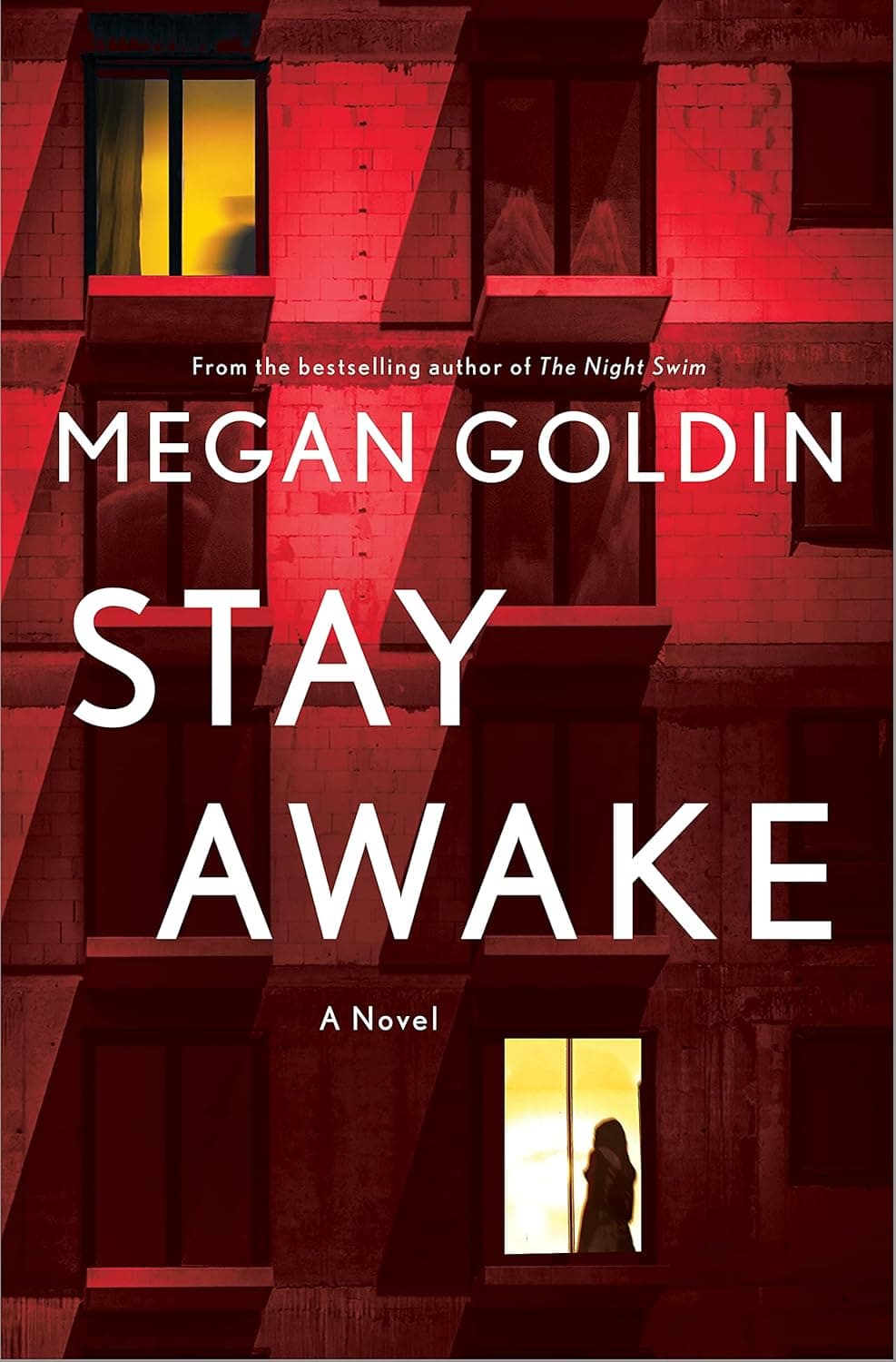
Chaos closes in as Liv Reese reaches for help and finds a trap. Across five breakneck chapters, a single image—a dotted fleur-de-lis—cuts through two years of fog to expose the killer, collapse old theories, and turn a mystery into a survival race.
What Happens
Chapter 56: A Desperate Call
Shaking in a doorway across from the bar Nocturnal, Liv calls the police hotline and identifies herself. She’s transferred to Detective Darcy Halliday, whose calm concern makes Liv cry as she explains her fractured memory. Halliday urges a face-to-face meeting; from her hiding spot, Liv sees officers converging and, fearing a trap, ducks into a nearby Korean restaurant.
Halliday keeps her talking, but Liv grows wary as more officers spread out on the street. Before hanging up, Liv copies Halliday’s personal cell number onto a takeout menu. Over a bowl of soup, she checks her phone and finds a voicemail and text from Ted Cole, including a photo of a sketch she’d made—a fleur-de-lis built from tiny dots. Ted says he traced the symbol and believes he’s found the person who killed Amy Decker and Marco Reggio. His message ends with a chilling: it’s time to go to the police.
Chapter 57: Contradictory Evidence
Halliday’s CIA contact, Owen Jeffries, calls with handwriting analysis: the Post-its in Liv’s apartment are written by a left-hander, but the bloody “WAKE UP!” at the original crime scene is written by a right-hander between five-foot-nine and six-foot-three. Liv—five-foot-six and left-handed—doesn’t fit.
The finding clashes with Detective Jack Lavelle, who’s just secured an arrest warrant for Liv after locating the probable knife used on Ted. He dismisses the CIA’s algorithm and leans on physical evidence. After getting Liv’s address from a bodega owner, the team raids her basement apartment: black-painted walls, the stench of fresh paint, caffeine cans, NoDoz blister packs, and “STAY AWAKE” magneted across the fridge. In the sink lie the charred remnants of her journal—her lifeline burned. Confident they’ll ping her phone, Lavelle orders Halliday home.
Chapter 58: A Hazy Memory
Twenty-four hours earlier, Liv arrives at Nocturnal after a call saying Amy needs help. The bar feels unfamiliar, yet the bartender greets her by name and asks if Ted knows she’s there. Noise and light overload her; she flees to the restroom, splashes water on her face, and accidentally washes away some ink from her palm until only a faded number and “Ted” remain.
Other warnings still mottle her hands—“STAY AWAKE,” “DON’T TRUST ANYONE,” and the bar’s address. When she steps out, dizzy and off-balance, someone wraps her in a warm hug and whispers, “Liv. Thank God I found you.” The memory breaks there, identity unrevealed.
Chapter 59: The Killer Revealed
Back in the present, Liv steps from the restaurant and slams into Brett Graham, Amy’s former colleague. He acts protective and walks her toward his car. A passing police cruiser rattles her; then she sees his shoes—expensive gray leather with a dotted fleur-de-lis medallion on the toe. A flash sears through: the same pattern on oxblood shoes as a knife drives into her chest in Amy’s bedroom. In one instant, The Past's Influence on the Present crystallizes—Brett is the killer.
In the car, Liv pretends to fall asleep, desperate to stay conscious long enough to hold this truth. While Brett takes a call, she texts her location to Halliday’s personal number: “Help me.” She hides her phone and keeps up the act. Believing her memory has reset, Brett talks freely, blaming her and her “friend” for “poking around in the past.” His mask of concern drops, the culmination of Trust and Betrayal.
Chapter 60: Cat and Mouse
Brett drives to a deserted industrial zone and a boarded-up warehouse. He wakes Liv; she feigns a fresh amnesia reset. Smiling, he claims they’re late to meet Amy for an avant-garde Macbeth, a polished performance of care that weaponizes Vulnerability and Manipulation. He smashes through a window and shoves her inside.
Liv hits concrete in the dark. Rats skitter. As Brett fumbles with entry, she scrambles into cover, hurling objects to misdirect him in a tense, echoing hunt. Finally she calls out, “Amy’s dead.” The pretenses rupture. Brett admits he killed Ted the night before to frame her, counting on her fragile Memory and Identity. He sneers that it was “sloppy” to let her escape with the knife after he stabbed her and promises her death will be quick—if she gives herself up.
Character Development
Liv steps out of panic and into agency, while the investigation splits along empathy versus procedure.
- Liv Reese: Moves from fugitive panic to strategic survivor. She preserves a crucial realization by faking sleep, texts for help without alerting Brett, and uses the warehouse to her advantage.
- Detective Darcy Halliday: Centers empathy and open-mindedness. The CIA analysis validates her instinct that Liv is a victim, not a perpetrator, positioning her as the narrative’s moral compass.
- Detective Jack Lavelle: Doubles down on traditional evidence and urgency to close a case, even when new data undercuts his theory.
- Brett Graham: Drops the good-guy act. His vanity (those shoes) and arrogance expose him, and his confession reveals a calculated plan built on exploiting Liv’s resets.
Themes & Symbols
Perception and reality split and then snap together. The Unreliability of Perception defines Liv’s life—hand notes, missing hours, and a mind that can’t be trusted—until a single sensory trigger (the dotted fleur-de-lis) unlocks the truth. In parallel, Brett’s solicitous persona is a performance that masks ruthless predation.
Vulnerability becomes a weapon. Brett choreographs scenes—car rides, invented appointments, a faux Macbeth—to steer Liv where he wants her, leveraging her amnesia and fear. The story reframes memory not as a deficit but as a battlefield, where one preserved image can undo an entire deception.
- Symbol: The Fleur-de-lis. A private doodle becomes a map. The dotted medallion moves from subconscious sketch to definitive identifier, anchoring the entire mystery in one image and tying directly to the power of the past to pierce the present.
- Symbol: The Black-Painted Apartment. Liv’s space mirrors her mind—dark, sealed, and scrubbed to control what fades or remains. The burned journal is the physical death of continuity, forcing her to rely on instincts and the rare memory shard that survives.
Key Quotes
“Liv. Thank God I found you.”
A tender line that reads as rescue in the moment but curdles in retrospect. It foreshadows the predator’s embrace and primes the theme of trust weaponized against a vulnerable mind.
“Amy’s dead.”
Liv’s declaration in the warehouse detonates Brett’s performance. By speaking the truth aloud, she forces the reality he’s trying to overwrite, provoking his full confession and reclaiming narrative control.
“I always knew your memory would come back. That’s why I had to kill your ex last night and frame you as the killer... It was sloppy of me to turn my back and let you disappear with the knife, but it ends here and now.”
Brett’s boast compresses motive, method, and menace. He reveals premeditation, pinpoints the frame job, and confirms he’s tailored the crimes to Liv’s amnesia—proof that exploitation, not chance, drives the horror.
Why This Matters and Section Significance
These chapters crack the case open: Brett is unmasked, Liv is cleared by both evidence and insight, and the story pivots from “whodunit” to “will she survive.” The police investigation and Liv’s solo scramble finally intersect when her text reaches Halliday, aligning institutional pursuit with victim survival.
The revelations reframe prior events as a calculated campaign against Liv’s fragmented memory. With the killer exposed and Liv trapped in a warehouse standoff, the narrative tightens into a high-stakes endgame where every second—and every remembered detail—matters.