The Past's Influence on the Present
What This Theme Explores
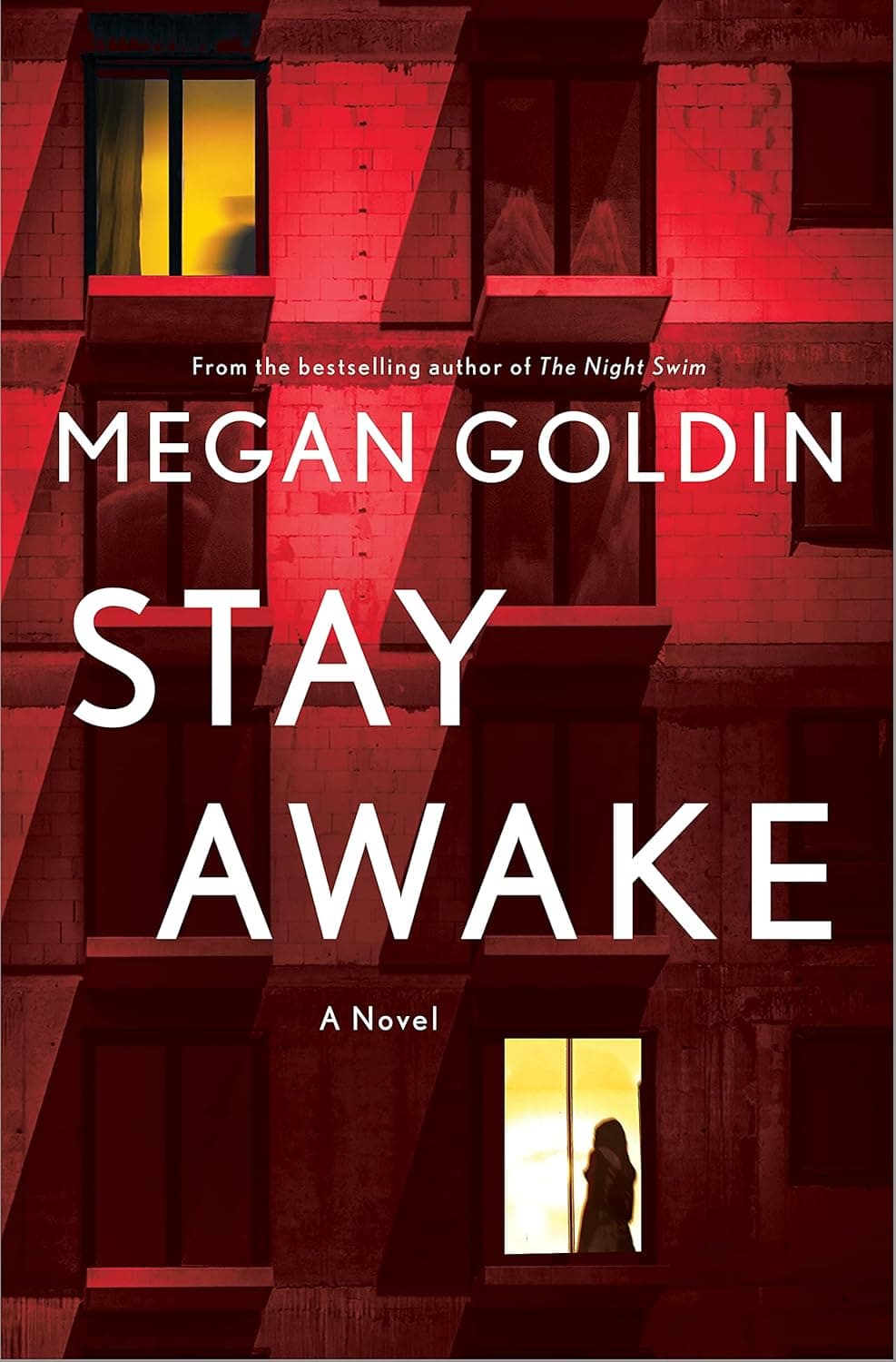
In Megan Goldin's Stay Awake, The Past's Influence on the Present is the engine that drives every choice, danger, and revelation. The novel asks whether identity can survive when memory is shattered, and whether forgotten harm still dictates the present. For Liv Reese, a past she cannot recall has rewritten her life; for Brett Graham, past sins demand fresh violence to keep them buried. The earlier murders of Amy Decker and Marco Reggio reverberate directly into the death of Ted Cole, making the present a living echo chamber of what has gone unresolved.
How It Develops
At the outset, the past is an invisible puppeteer: Liv wakes into a world two years removed from the life she remembers, suddenly marked as a suspect and stalked by consequences she can’t place. Her amnesia renders the past both omnipotent and unknowable—she is punished by what she cannot access, trapped in a present already decided.
Midway through, the narrative shifts from disorientation to excavation. Liv’s frantic attempts to reconstruct her history run parallel to the methodical probe led by Detective Darcy Halliday, who realizes the “new” murder is only a continuation of an old story. The past becomes the primary case file: old biases, missed clues, and buried connections shape what the investigators can and cannot see now.
By the climax, past and present fully collide. Brett’s earlier crime compels him to kill again to preserve his secret, binding him to a cycle of cover-ups. Liv’s flash-memories—a dotted pattern on a pair of shoes, a kimono glimpsed at the edge of terror—finally pierce the fog, transforming trauma into testimony. Surviving the present requires naming the past, and the confrontation with the original villain is the only doorway to a future.
Key Examples
-
The Two-Year Time Jump: Liv awakens believing it’s July—but it’s November, two years later. That lost time contains the source of her amnesia, Ted’s murder, and her sudden criminal exposure, showing how a “blank” past still dictates every current danger and decision. (Chapter 6-10 Summary)
-
Revisiting the Old Apartment and Office: Liv returns to her former home and workplace only to find strangers installed in the spaces that once defined her life. The world has moved on without her, dramatizing the painful lag between her mind’s timeline and the reality she inhabits. (Chapter 1-5 Summary)
-
The Decker–Reggio Murder Files: For Halliday and Jack Lavelle, the cold case documents become a roadmap: only by reading backward can they walk forward. The original investigation’s blind spots obstruct the present inquiry, proving that old errors continue to misdirect truth. (Chapter 41-45 Summary)
-
Ted’s Motivation and Death: Ted’s choices in the present are tethered to his past with Liv—his lingering loyalty places him in Brett’s path. His murder is not random; it is a consequence pulled taut from earlier wounds and unfinished business. (Chapter 46-50 Summary)
-
Liv’s Flashbacks: Shards of memory—especially the dotted fleur-de-lis pattern on Brett’s shoes—break through like flares in darkness. These involuntary returns of the past supply the only trustworthy guideposts Liv has, turning trauma into the mechanism of her survival. (Chapter 56-60 Summary)
Character Connections
Liv Reese: Liv embodies the theme’s paradox—her present is entirely authored by events she can’t recall. Her arc reframes memory as agency: each recovered fragment restores not only her narrative but her power to resist a fate set in motion two years earlier.
Brett Graham: Brett is the cautionary mirror. His refusal to reckon with his crime locks him into repetition—each new act of violence is a retrofit meant to shore up the last. He shows how denial turns the past from history into habit.
Detective Darcy Halliday: Halliday serves as the novel’s ethical historian, insisting that justice requires accounting for what was overlooked. Her approach models a corrective to the theme’s darker cycles: rigorous remembrance can prevent the past from endlessly rewriting the present.
Ted Cole: Ted illustrates how even loving intentions are vulnerable to past entanglements. His desire to protect Liv pulls him back into the same current that once swept them apart, and his death reveals how proximity to unresolved trauma can be fatal.
Symbolic Elements
The Scar on Liv’s Torso: Liv’s body remembers what her mind has lost; the scar is an unerasable inscription of harm. It insists that the past leaves marks beyond recall or denial, challenging the illusion that forgetting equals safety. (Chapter 11-15 Summary)
The Messages on Liv’s Hands: “STAY AWAKE” turns skin into a living archive. These hand-scrawled notes bridge nights and days, dramatizing memory as a relay baton passed between versions of the self.
The Burned Journal: When Brett destroys Liv’s journal—her surrogate memory—he tries to incinerate the past itself. The ashes testify to the futility of erasure: truth, once lived, persists beneath the smoke. (Chapter 26-30 Summary)
Contemporary Relevance
The novel resonates with current conversations about trauma, PTSD, and gaslighting, asking how we trust ourselves when memory fractures. It also reflects a cultural reckoning with cold cases and historical injustices, where accountability often hinges on re-examining what institutions got wrong the first time. Stay Awake suggests that healing is not amnesia but integration—only by naming and contextualizing past harm can individuals and communities prevent its return in new forms.
Essential Quote
“You were consumed with finding out who killed Amy and Marco. It took over your life... It consumed you. Ultimately it consumed our relationship. It destroyed us.”
This confession distills the theme into personal stakes: pursuit of the past can both clarify and corrode the present. Ted’s words show how grief-fueled obsession becomes a vector by which old violence invades new spaces, turning love, work, and safety into collateral.