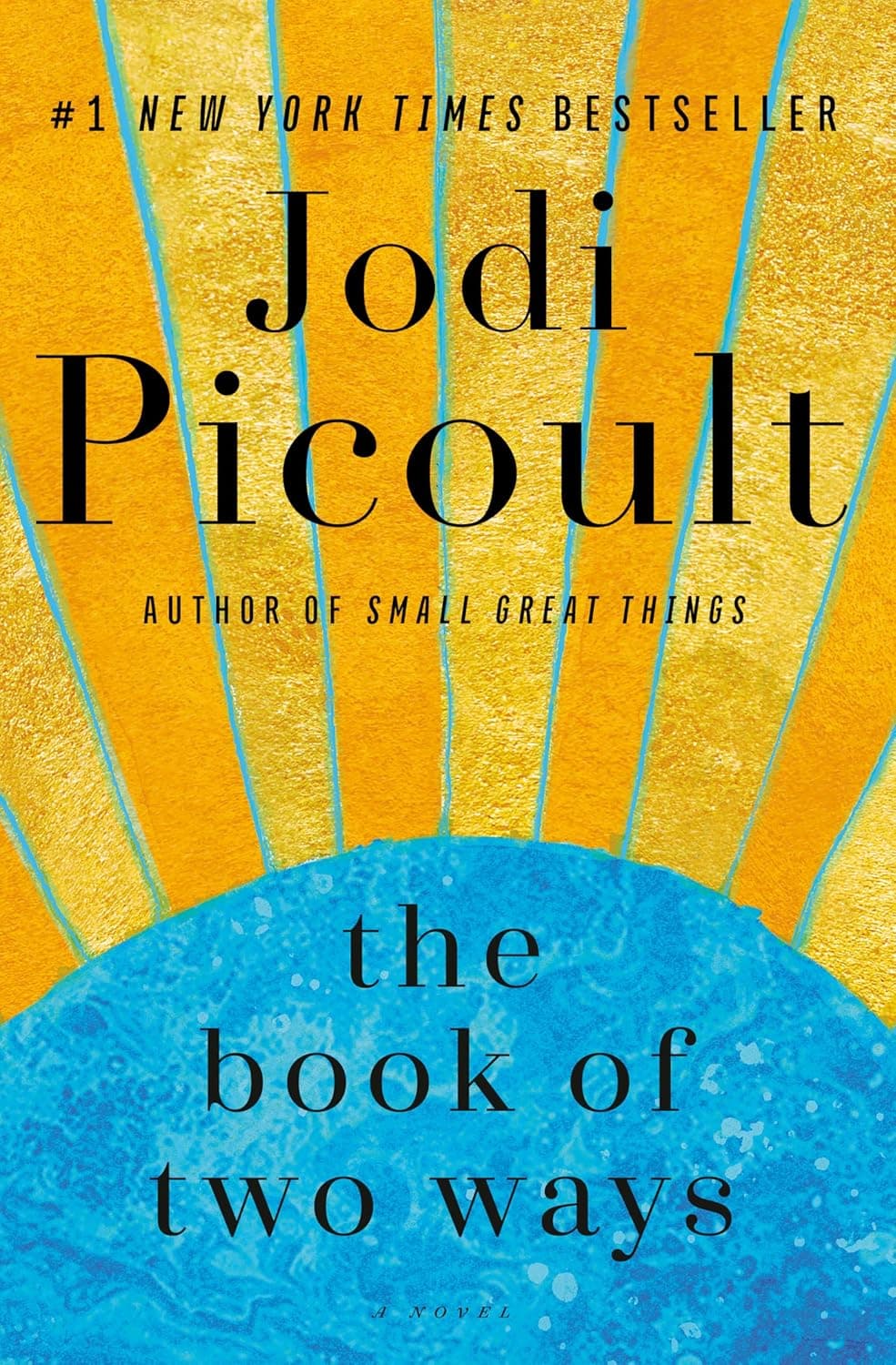
Opening
Two timelines collide as Dawn Edelstein returns to an Egyptian dig and remembers the season that bound her to Wyatt Armstrong. In the present, ancient walls and new tech rekindle her calling; in the past, a discovery—and an affair—sets the path she never took. The chapters trace how a single love and a single find echo through every choice she makes, including the family she builds with Brian Edelstein.
What Happens
Chapter 5: The Ass Crack of Dawn
Dawn wakes from a surreal dream of being trapped inside a particle beam in Brian’s quantum physics experiment and blinks into darkness at the Dig House. Wyatt appears in a headlamp, explaining the power outage and steering an awkward morning that grows chillier when a colleague, Alberto, freezes Dawn out at breakfast. At the necropolis, the tomb of Djehutynakht floors her: the bright, intact hieroglyphs feel like an old self shaking her awake—Egyptology isn’t just a past career; it’s the core of who she is.
Wyatt assigns her a paleography of new inscriptions near the burial shaft. Instead of seasons of tracing by hand, he hands her an iPad and Apple Pencil. As she works, muscle memory takes over; precision and joy return in tandem. Over tea, Wyatt studies her copies and praises her craft, then draws a line between her current work as a death doula and the Egyptians’ meticulous preparations for the afterlife. He even concedes what she once argued about the Book of Two Ways: her old theories were right.
Later, catching a thread of cell service, Dawn texts her daughter, Meret Edelstein. She ends with: “Forgive me.” The message lays bare the tug-of-war inside her—between the life she lives and the life that still calls her name.
Chapter 6: The Conjugal Visit
A flashback drops us into 2003. During a rooftop party honoring the visiting wife of their professor, Ian Dumphries, Dawn and Wyatt outlast everyone, champagne softening their guard. “Truth or Dare” becomes confession: Wyatt admits to a terror of abandonment, resentment of his aristocratic title, and grief for his dead brother. Dawn speaks of her father’s death and of her mother, Dawn's Mother, whose sorrow never loosens its grip. When Wyatt dares a kiss, Dawn bolts, shaken by how quickly rivalry turns intimate.
The next day, she tracks him into the desert, their argument sparking with professional envy and old slights. Mid-fight, Dawn spots a dipinto—painted text on the rock shelter. Together they realize it’s a commemorative inscription by a nomarch that points to a lost tomb. In an instant they shift from competitors to collaborators, planning how to “rediscover” the find for Dumphries. They own up to mutual jealousy and admiration, and a second kiss lands with intention, not shock.
That night, they sneak to the wadi with pilfered bourbon. Wyatt recites ancient Egyptian love poetry; they make love under the stars, their passion braided with their scholarship. At dawn, she tries to dismiss it. He won’t. He presses a flake of limestone into her hand—an ostracon inscribed in hieratic with a love poem, their private language made physical. As the memory fades, Dawn recalls her mother telling the tragedy of Tristan and Iseult, a warning that even true love can be impossible in the daylight.
Character Development
In these chapters, the past clarifies the present. The Egyptologist Dawn used to be—and the lover she might have become—stand beside the mother and death doula she is now. Wyatt’s bravado gives way to grief and tenderness, revealing why their intellectual match ignites into love.
-
Dawn
- Rediscovers her fluency and excellence in paleography; purpose snaps into place the moment she starts to trace.
- Carries guilt as a mother and wife, punctuated by the “Forgive me” text to Meret.
- In 2003, is ambitious and fiercely competitive, yet vulnerable about family loss; she enters a partnership that is both scholarly and romantic.
-
Wyatt
- Loses the mask of arrogance; grief for his brother and resentment of inherited status shape his fear of abandonment.
- Respects Dawn’s mind first, then falls for her; validates her Book of Two Ways theory years later.
- Becomes her co-conspirator in discovery, binding their professional fortunes to their private bond.
Themes & Symbols
The chapters braid the power of history with the force of choice. The structure itself—present-day fieldwork alongside an immersive flashback—embodies The Past's Influence on the Present: Dawn’s return to the necropolis revives the version of herself that once thrived there, making every present action a reaction to a remembered life. That remembered life is the clearest version of Choices and Alternate Paths, a path marked by shared scholarship and passion with Wyatt that diverges from marriage to Brian and motherhood.
The affair rises as both exaltation and fracture, complicating Love, Marriage, and Infidelity. It isn’t a fling, the chapters insist, but a meeting of minds and bodies forged in work and wonder. Yet the ache that follows—Dawn’s “Forgive me,” her fixation on what might have been—embodies Regret and Unfinished Business. Meanwhile, Dawn’s death doula vocation echoes the Egyptians’ meticulous preparations for eternity, aligning her present caregiving with ancient ritual and the theme of Death, Dying, and the Afterlife. Family grief frames everything: Dawn’s memory of her mother’s unhealed sorrow and her own pull toward Meret filter the chapters through Motherhood and Family Dynamics.
Symbols
- The dipinto: A painted breadcrumb that transforms rivals into partners; their relationship begins with reading the past correctly together.
- The limestone flake (ostracon): A love note in hieratic—intimacy in their shared scholarly tongue—that Dawn keeps as proof the past still speaks.
- Hieroglyphs: Language as lifeline; the script reanimates Dawn’s identity and becomes the medium through which love, work, and fate interlace.
Key Quotes
“Forgive me.”
Dawn’s text to Meret compresses her crisis into two words—confession, plea, and prelude to consequence. It signals that her return to Egypt isn’t a detour; it’s a choice with a cost she already feels as a mother and a wife.
“Truth or Dare.”
The party game catalyzes radical vulnerability, stripping rivalry down to raw fear and grief. By turning scholarship partners into confessors, it opens the door to intimacy—and to a discovery only possible once their defenses drop.
“The Ass Crack of Dawn.”
The chapter title sets a tone that mixes irreverence with awakening. It frames the morning not just as a time of day but as a rebirth of vocation and desire, signaling that humor and humility accompany Dawn’s return to herself.
Why This Matters and Section Significance
These chapters supply the novel’s emotional and ethical center. They prove Dawn and Wyatt’s connection is a fusion of intellect and desire anchored by a significant find, not a campus fling. Knowing what began in 2003 makes her present-day flight to Egypt—and the text to her family—feel inevitable rather than impulsive. By illuminating the “road not taken,” the narrative sharpens the stakes of every choice still ahead, tying personal longing to professional destiny and setting up the reckoning that must follow.