Opening
Delay, heat, and history press in as Egypt’s desert dig forces Dawn Edelstein back into the orbit of Wyatt Armstrong—and into the unresolved past they share. As the tomb finally opens, their professional triumph collides with an emotional reckoning, culminating in a night that rewrites fifteen years and a morning that shatters it.
What Happens
Chapter 7: The Weight of the Past
Structural concerns and bureaucracy stall the opening of the burial chamber, and Wyatt’s nerves snap taut. He is short-tempered and exacting, pacing on calls. Dawn’s interactions with him stay brief and private—he brusquely hands her clothes, a burner phone, and demands his own shirt back. Alberto, the digital specialist, watches her with a chill, but the rest of the team welcomes her. Watching Wyatt strain under the pressure of directing the dig, Dawn aches to comfort him, recognizing how far they’ve come from their student years.
On the roof at dusk, Wyatt lays out the plan: he and Dawn will enter the chamber together—her small frame makes her the best fit. Alberto’s silence carries a clear objection. The talk drifts philosophical when Dawn, drawing on her work as a death doula, explains how standing near death clarifies what matters, a meditation on regret that unsettles the group. After the others leave, Dawn and Wyatt trade childhood stories and parental pressures. Wyatt admits he never listened to his estranged father’s final voicemail, terrified of what he might hear—or not hear. He lets Dawn listen instead; she tells him his father sounds proud, easing a wound he’s carried for years.
Then the rupture at the heart of their past surfaces. Wyatt confesses he wrote daily after she left; every letter boomeranged back, every email bounced. He assumed she shut him out. Dawn reels—she never received anything and realizes Brian might have intercepted the messages. She withdraws, overwhelmed. Later, when she calls Brian to say she’s okay, Wyatt appears at her door, raw from their conversation. Brian hears a man’s voice and asks who’s there. “It’s nobody,” Dawn whispers. The lie slices; Wyatt leaves. Dawn stands between two lives, unable to hold both.
Chapter 8: Wonderful Things
The team descends into the shaft before dawn. Wyatt goes stone-cold professional, avoiding personal contact. Dawn freezes halfway down the 18-foot rope ladder, claustrophobia closing in, until Wyatt distracts her with a morbidly funny Egyptology anecdote that steadies her breath. At the bottom, their shoulders press in the tight shaft as Wyatt opens a window into the burial chamber. Peering in, he echoes Howard Carter: “Yes, wonderful things.” Inside waits the intact coffin of Djehutynakht, preserved for four millennia.
Days blur into precise, jubilant work: mapping architecture, photographing every inch, lifting miniatures—boats, servants, a funeral procession—into light. At last, the team opens the outer coffin to reveal a vividly painted inner one. The inner lid rises, and Djehutynakht’s mummy appears on its side, eerily intact. As colleagues prepare to move the body, Dawn and Wyatt linger, wondering if the nomarch’s elaborate preparations secured his passage—an intimate pause at the edge of belief. A flashback cuts in: years ago, their professor, Ian Dumphries, publicly outed their secret relationship, branding their work and love with scrutiny they’ve never shaken.
After the mummy is lifted, Wyatt brushes dust from the inner coffin floor, then whoops, grabs Dawn, and spins her—forgetting the room. Painted across cedar slats lies the world’s oldest known copy of the Book of Two Ways. Later, digital analysis reveals an image of Osiris weighing a heart—iconography associated with the Book of the Dead centuries before its time. Dawn and Wyatt realize they’re holding the evolutionary bridge between the Middle Kingdom’s Coffin Texts and the New Kingdom’s funerary beliefs. That night, they finally speak the whole truth. Dawn explains her mother’s illness, her responsibility to her brother, the life she chose. Wyatt answers with a wound-deep confession: “You get close to people who inevitably leave you. The difference is that you call it work. I call it love.” They sleep together, collapsing years of longing into one irrevocable choice. Morning breaks—and Alberto bursts in: “Dailey’s here.” An elegant woman steps in, loops her arm through Wyatt’s, and flashes a massive diamond. Anya Dailey, expedition benefactor. Wyatt’s fiancée.
Character Development
Old wounds reopen and new fractures appear as personal histories collide with professional milestones.
- Dawn Edelstein: She confronts the “what if” she’s avoided. The revelation about the lost letters upends her understanding of the breakup, and choosing to sleep with Wyatt marks an active step onto a different path—away from the safety of her marriage, toward desire and uncertainty.
- Wyatt Armstrong: His façade slips. He exposes fears about paternal approval and abandonment and reframes his work as a way to love what won’t leave. His engagement shows he, too, tried to build a future apart from Dawn—one now imperiled.
- Brian Edelstein: Heard but unseen, he anchors the life Dawn risks. His anxious call underscores the stability, family, and promises tied to her present.
- Alberto: Guarded and territorial, he emerges as an internal antagonist—skeptical of Dawn’s return and wary of her sudden proximity to Wyatt’s spotlight.
Themes & Symbols
Dawn and Wyatt dig in two directions at once: into a tomb and into their past. The chapters braid scientific discovery with emotional archaeology, where unearthed truths redraw maps of belief and belonging. The dig’s “missing link” parallels the pair’s rediscovery that their separation was built on miscommunication, not rejection. The find validates years of labor; the reunion threatens years of life-building.
The narrative orbits love’s entanglement with fidelity and consequence. Proximity to death clarifies urgency: what remains undone grows heavier. Dawn’s choice to cross a line shifts the story from hypothetical to irreversible, binding desire, duty, and consequence into a single night—and a shattering morning.
- Linked themes: Regret and Unfinished Business, Death, Dying, and the Afterlife, The Past's Influence on the Present, Choices and Alternate Paths, Love, Marriage, and Infidelity
Symbols and Motifs
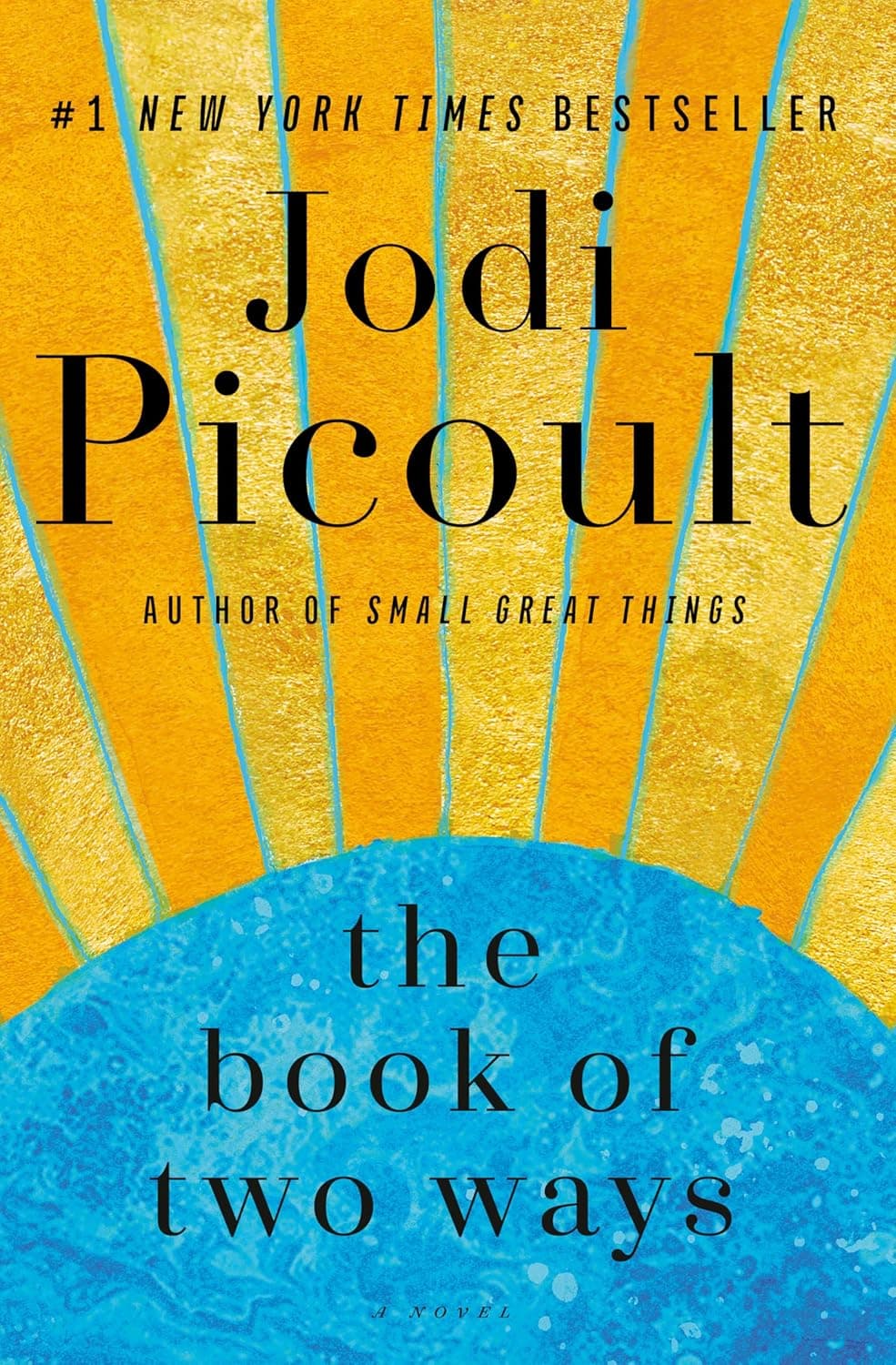
- The Book of Two Ways: A literal map to the afterlife that mirrors Dawn’s split routes—one toward the life she built, one toward the life she lost.
- The Tomb: A sealed chamber of memory; excavating it mirrors the slow, painstaking unearthing of buried feelings.
- Wyatt’s Father’s Voicemail: A sealed message that embodies fear of truth; opening it offers grace and complicates grief.
Key Quotes
“Yes, wonderful things.”
Wyatt’s echo of Carter situates the dig within Egyptology’s mythic lineage and frames the discovery as both culmination and threshold. The line also contrasts his professional awe with his private turmoil—he can name wonder, but not yet his need.
“You get close to people who inevitably leave you. The difference is that you call it work. I call it love.”
Wyatt distills his abandonment schema and reframes vocation as attachment. The sentence redefines their conflict: Dawn’s caregiving becomes, to him, a substitute for intimacy, while his devotion to work is his way to hold something that won’t depart.
“It’s nobody.”
Dawn’s lie to Brian protects nothing and hurts everyone. The phrase instantly recasts Wyatt as disposable and marks the moment Dawn crosses from longing to betrayal—tightening the moral stakes.
“Dailey’s here.”
This blunt announcement detonates the fragile space Dawn and Wyatt created. Anya’s entrance turns private transgression into a public triangle, complicating power dynamics (benefactor, director, lover) and ensuring fallout across both fieldwork and personal lives.
Why This Matters and Section Significance
These chapters form the book’s hinge: the dig reaches its professional apex as Dawn’s personal life tips into crisis. The discovery of the Book of Two Ways rewrites scholarly timelines and vindicates Wyatt’s career; it also materializes the novel’s central metaphor of divergent routes. Dawn’s choice to sleep with Wyatt transforms a long-held “what if” into an active path with consequences that touch marriage, work, and identity.
Anya’s arrival slams the door on easy resolutions. Dawn cannot simply retreat to Boston or step into a past romance unaltered; both routes now demand reckonings. The past drives the present—professionally, textually, and emotionally—and the cost of choosing becomes the story’s defining force.