Opening
As the novel’s twin narratives tighten, Ruby Pearsall faces the brutal machinery of the Gingerbread House while Eleanor Quarles sustains a fragile lie to build a family with William Pride. Small acts of care collide with systemic cruelty, and a single overheard promise binds the stories into a looming tragedy the characters cannot yet see.
What Happens
Chapter 31: Silence the Lamb
On her seventeenth birthday, Ruby receives a tiny mercy—a nun’s cake—that reminds her of the unopened letters from Shimmy Shapiro. That night, her roommate Bubbles’s water breaks. Terrified her newborn will be taken, Bubbles insists on delivering in the attic and fleeing. Ruby, Loretta, and Georgia Mae risk everything to help, muffling the room and acting as midwives.
As labor stretches through the night, Bubbles breaks the house’s culture of silence and tells her story: she’s a pastor’s daughter, sent away to bury the shame of a pregnancy by Ray, a 25-year-old janitor. Georgia Mae delivers a healthy girl, and Bubbles names her Joy. The moment reorders Ruby’s world; holding Joy makes Ruby’s own pregnancy tangible and intensifies the ache of impending separation, pressing on the theme of Unwed Pregnancy, Motherhood, and Shame.
At dawn, the girls scrub the attic clean. Luck favors them—Mother Margaret is away. That night, Gertrude, a hardened “lifer,” storms in, but her cruelty was camouflage: she’s been planning Bubbles’s escape. Bubbles, Joy, and Gertrude slip into the dark to meet Ray, leaving Ruby stunned by their audacity.
Chapter 32: Telling Stories
Eleanor lives inside the fiction of being eight months pregnant, renaming the maternity home in her mind “The House of Eve” and imagining the anonymous girl carrying her child. With William consumed by his residency and preparing for his brother’s New York engagement party, Eleanor’s isolation deepens. She cleans compulsively, then lies to her mother about symptoms and why a visit isn’t possible, wounding their bond and straining the thread of Mother-Daughter Relationships. News of a beloved babysitter’s death compounds her grief.
William returns just before his trip, and they share a brief closeness before he leaves anyway, arguing it’s too risky to their plan. Eleanor begs to go or for him to stay; he refuses. The private cost of their secrecy—distance, humiliation, and longing—exposes the sacrifices their marriage demands, underscoring Love, Marriage, and Sacrifice.
Chapter 33: Secrets Girls Keep
After Bubbles’s escape, Mother Margaret clamps down—constant surveillance, restricted movement, interrogations. Ruby, Loretta, and Georgia Mae hold the line and protect Bubbles. The crackdown pushes Ruby to question whether she should have run to Shimmy when she had the chance.
When Georgia Mae goes into labor, the home’s racist policies snap into focus. The nearby clinic is “for whites only,” so Georgia Mae must deliver in a windowless closet off Mother Margaret’s office. Ruby comforts her through the agony. The baby boy’s skin is very fair. While tending them, Ruby overhears Mother Margaret and a social worker discuss selling the child to a wealthy New York couple for a “substantial donation,” ignoring Georgia Mae’s aunt’s wish to adopt. Ruby also hears that Loretta’s baby is promised to a “D.C. doctor couple.” The scene lays bare Race, Colorism, and Prejudice and the predatory market that preys on the vulnerable through Socioeconomic Class and Social Mobility.
Caught eavesdropping, Ruby is dismissed. Days later, in the dead of night, Georgia Mae’s baby is taken. In raw grief, Georgia Mae speaks at last: her child’s father is her white employer, who raped her at thirteen and again; the state took her first child. After releasing this truth, she falls silent and is sent to the laundry with the lifers. Ruby never hears her voice again.
Chapter 34: Strange Fruit
Eleanor spends a lonely Thanksgiving doing a puzzle, imagining William at the party beside his elegant ex, Greta Hepburn. The next day Bernie, the handyman, returns to the nursery. Starved for company, Eleanor chats as he works; he introduces her to an avocado, a small, bright novelty.
William arrives home a day early to find them at the counter sharing the fruit. Suspicion flashes into fury. They fight—Eleanor accuses him of seeing Greta; he snaps that he has “nothing to hide,” twisting their shared secret into a weapon. He insists Bernie shouldn’t be in the house with her while he’s away. Class anxiety, jealousy, race, and secrecy curdle into mistrust, exposing fissures in their marriage.
Chapter 35: Holiday Blues
Christmas at the Gingerbread House is bleak: cheap trinkets, heavier silences. Loretta recedes into near-catatonia. The Saturday after Christmas, she delivers a baby boy in the same back room where Georgia Mae labored. Ruby visits. Loretta weeps for the son she cannot keep and for Rucker, who has stopped writing. She wishes she’d had Bubbles’s courage.
Seeking to soothe her, Ruby shares the secret she overheard: Loretta’s baby is destined for a doctor’s family in D.C. The knowledge offers a thin thread of comfort and, for the reader, confirms the connection to Eleanor and William. Loretta still collapses into a howl, clinging to the child she is about to lose.
Character Development
These chapters sharpen each character against the grindstone of secrecy and power, shifting them from private longing to public consequence.
- Ruby Pearsall: Grows from self-protection to fierce empathy, midwifing Joy, comforting Georgia Mae, and bearing witness. Birth—and theft—clarifies what motherhood costs.
- Eleanor Quarles: Loneliness isolates her enough to crave human contact beyond the script. Her argument with William reveals the fragility beneath their polished plan.
- William Pride: Control and jealousy surface; he polices Eleanor through class and respectability, wielding their secret as leverage.
- Mother Margaret: Mask off—she is a racist profiteer who commodifies infants and crushes the girls’ agency.
- Georgia Mae: From silence to searing testimony, she embodies trauma and the compounded harms of race, class, and sexual violence.
Themes & Symbols
The novel stages unwed pregnancy as a spectrum of agency and loss. Bubbles seizes control, risking everything to keep Joy. Georgia Mae is forced into motherhood by violence and then stripped of it by policy and profit. Loretta stands in resigned sorrow, her love real but her choices constrained. The lies that sustain Eleanor and William’s dream of a child rot the foundations of trust at home, while the girls’ secrets function as survival—what must be hidden to preserve self and sisterhood.
Race, colorism, and class are not background—they are the engine. Segregated medical care, the premium placed on a fair-skinned baby, and pay-to-adopt “donations” reveal a hierarchy where proximity to whiteness is monetized and the poor are harvested for the rich. The personal becomes structural as private grief feeds a marketplace.
Symbols:
- Strange fruit/avocado: The avocado Bernie shares symbolizes simple, honest connection—nourishment without pretense. But “strange fruit” echoes the weight of racial terror, reminding us that even innocent domestic scenes are shadowed by violence and policing.
- The closet birth room: A literal enclosure of care into secrecy and shame; a womb within a womb that turns birth into captivity.
Key Quotes
“The nearby clinic is ‘for whites only.’” This blunt policy confines Georgia Mae to a closet, revealing how segregation controls bodies and outcomes. Birth becomes a battleground where medical care—and dignity—are rationed by race.
He retorts that, unlike her, he has “nothing to hide.” Weaponizing the very secret Eleanor maintains for their shared goal, William flips virtue into guilt. The line exposes the power dynamic in their marriage and the corrosive effect of deception.
“I heard Mother Margaret say that your baby was going to a doctor’s family. He’ll be well cared for, Loretta. He’ll have a good life.” Ruby’s attempt at comfort doubles as dramatic irony. It momentarily soothes Loretta while signaling to the reader that Eleanor and William are on the receiving end of a system built on others’ pain.
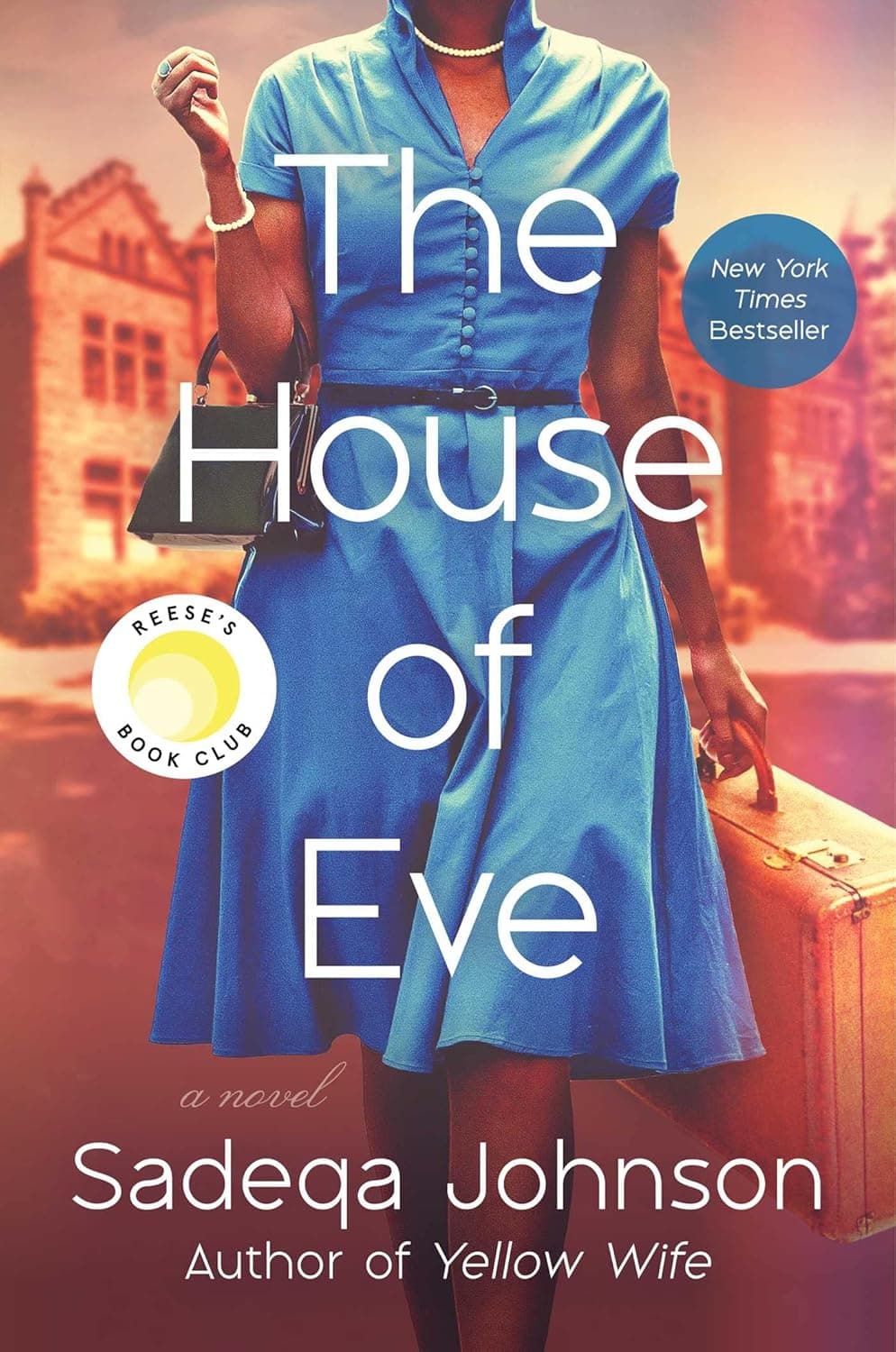
“The House of Eve.” Eleanor’s romantic name for the maternity home turns bitterly ironic beside Ruby’s experience of it as a marketplace and prison. The euphemism masks exploitation with the language of hope.
Why This Matters and Section Significance
These chapters mark the novel’s hinge. Ruby’s overheard promise to a “D.C. doctor couple” forges an explicit link between the two storylines, loading the narrative with dramatic irony: the child Eleanor longs for is the child Loretta must surrender. The Gingerbread House stands revealed as a network of racism, class exploitation, and coerced motherhood, transforming private sorrow into an indictment of a system. With agency, love, and survival in direct conflict, the stakes for Ruby and Eleanor crest toward inevitable collision.