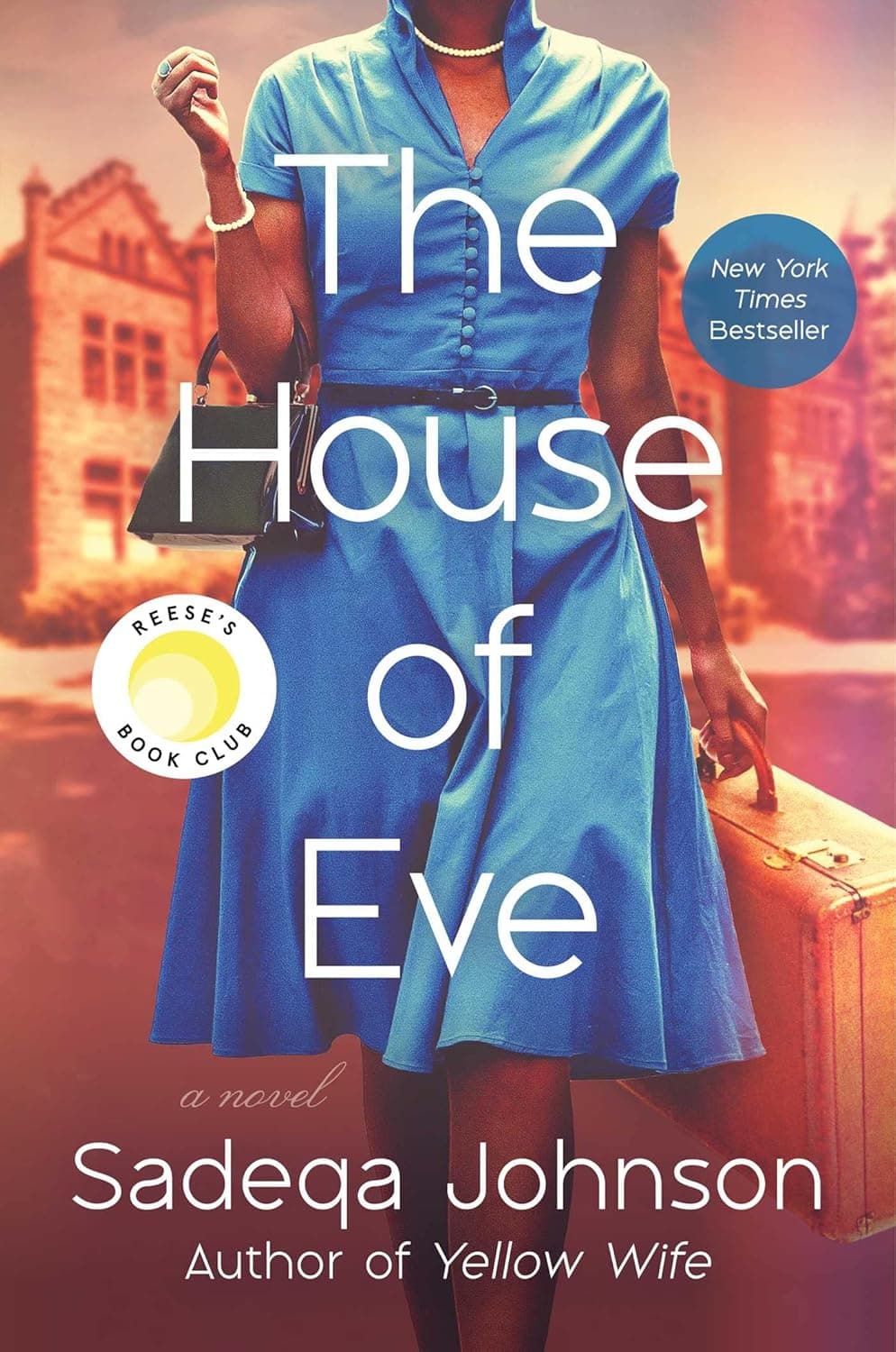
What This Theme Explores
Socioeconomic class and social mobility in The House of Eve probe who gets to rise, by what sanctioned routes, and at what personal cost. The novel asks whether education and marriage—often the only viable ladders for Black women in the 1940s–50s—actually liberate, or simply exchange one set of constraints for another. It interrogates how colorism and classism within Black communities reinforce external barriers, turning aspiration into a gauntlet of tests. Most crucially, it weighs the meaning of “success” when the price of ascent may be love, motherhood, belonging, and the truth of one’s origins.
How It Develops
The novel begins by mapping two distinct starting points. Ruby Pearsall grows up in North Philadelphia where even twenty cents for carfare threatens her tenuous path to the We Rise enrichment classes, and thus to college—her only route out of poverty (Chapter 1-5 Summary). At the same time, Eleanor Quarles arrives at Howard brimming with meritocratic hope, only to be rebuffed by the Black elite’s rules of pedigree, color, and wealth when the Alpha Beta Chi sorority closes its doors to her (Chapter 6-10 Summary). From the outset, class is not just background but a force that shapes their choices, self-conception, and risk tolerance.
In the middle arc, the routes to mobility narrow and harden. Ruby’s relationship with Shimmy Shapiro, a white, middle-class Jewish boy, spotlights how race and class intersect to make her future exceedingly fragile: pregnancy threatens the college degree that might free her (Chapter 21-25 Summary). Eleanor, meanwhile, takes the traditional shortcut to status by marrying William Pride, entering a world defined and policed by his mother, Rose Pride, where her working-class roots are liabilities to be hidden, softened, or erased (Chapter 31-35 Summary).
By the end, mobility is achieved—but only through devastating bargains. Ruby surrenders her child to secure the scholarship that will make medical training possible, transforming loss into the currency of her ascent (Chapter 41-45 Summary). Eleanor cements her place through adoption, outwardly winning the privileges of the Pride family yet inwardly anchored to the secrecy and performance that bought her acceptance (Epilogue). The parallel endings underscore the novel’s central critique: upward movement does not dissolve hierarchy; it often demands tribute.
Key Examples
-
Ruby’s twenty cents: Ruby’s future hinges on consistent attendance at We Rise, but the smallest expense can topple the plan—proof that poverty isn’t just scarcity; it’s constant precarity. When Leap offers bus money for a kiss, the scene exposes how economic vulnerability invites exploitation, turning mobility into a moral minefield.
-
Eleanor and the ABCs: After her rejection from Alpha Beta Chi, Eleanor learns that the gate to the “right” circles isn’t merit, but phenotype, pedigree, and wealth. Nadine’s bluntness reframes the campus as a training ground in class codes, where Eleanor’s ambition collides with unwritten laws that no transcript can fix.
“Honey, everyone knows they only pick girls with hair straight as a ruler, and skin paler than a paper bag. Where have you been?” The remark crystallizes the novel’s view of internal hierarchies: social ascent isn’t simply hard—it’s curated.
-
The Pride family’s world: When Eleanor steps into the “grand English castle” on the Gold Coast, the gleaming floors and chandelier read as more than décor; they’re architecture as boundary. The house’s opulence throws Eleanor’s origins into relief, making class difference a physical sensation—intimidation—and foreshadowing the self-editing she will perform to belong.
-
Rose Pride’s judgment: Rose’s disdain for a “ragamuffin girl from the Midwest” whose parents worked with their hands marks class as inherited capital—taste, lineage, and reputation—that money alone can’t buy (Chapter 36-40 Summary). Her surveillance converts family into institution, teaching Eleanor that acceptance is conditional, and always revocable.
-
The ultimate bargain: Mrs. Shapiro packages Ruby’s future as a transaction—surrender the child, secure the scholarship.
“Well, with the scholarship on the horizon, I don’t think you want to lose out on such a prestigious opportunity... It really is for the best, dear. Do consider your future.”
The offer makes mobility legible as deal-making, where motherhood is the negotiable asset and respectability the return on investment.
Character Connections
Ruby Pearsall embodies mobility as survival. Her ambition to become a doctor is less a dream than a shield against the vulnerabilities that have trapped her mother; the We Rise scholarship is not optional but existential. By relinquishing her baby, Ruby pays the steepest premium the novel imagines—proving that for the poor, even hope is expensive.
Eleanor Quarles pursues education but ultimately secures status through marriage, then learns that belonging requires performance. Her faked pregnancy and adoption are not merely deceit; they are strategies born of a system that equates womanhood, worth, and acceptability with fertility, decorum, and family name. In Eleanor, the book shows how mobility can compel a person to curate herself until she risks vanishing.
Rose Pride functions as the gatekeeper of an elite identity forged from wealth, color, and legacy. Her control over institutions—family, social clubs, household—turns class into a ritual of exclusion and correction. Rose’s vigilance demonstrates that the upper class maintains itself not only through assets but through constant boundary-work.
Inez Pearsall represents mobility foreclosed. Marked by an unwed pregnancy and rejection by the Banks family, Inez’s bitterness and instability shadow Ruby’s choices, offering a living cautionary tale. Through Inez, the novel insists that personal “failures” are often the predictable outcomes of structural traps.
Symbolic Elements
-
Howard University: As the “Black Mecca,” Howard symbolizes both opportunity and hierarchy. For Eleanor, it opens doors and hands her the rules of a parallel aristocracy, making education a site of aspiration and stratification at once.
-
The We Rise scholarship: A gleaming “golden ticket” that reveals its price tag only at the register. It stands for the seductive clarity of meritocracy while exposing the hidden toll—bodily, emotional, and moral—levied on those with the least cushion.
-
The Pride family home: The castle-like estate broadcasts wealth as culture, lineage, and taste; its grandeur isolates as much as it dazzles. Within those walls, Eleanor learns that refinement can be a moat.
-
The Bankses’ funeral home: An emblem of the entrenched Black upper class—respectable, profitable, closed. Its inaccessibility to Inez becomes the wound that propels Ruby, turning the family’s rejection into fuel for a new, more solitary climb.
Contemporary Relevance
The novel’s portrait of class within Black communities anticipates today’s debates over the racial wealth gap, colorism, and “respectability politics.” Education still functions as the celebrated path upward, even as student debt and gatekept networks belie the promise of equal access. The social script that encourages women to secure stability through marriage persists, complicated by pressures to perform curated versions of identity in elite spaces. By historicizing these dilemmas, The House of Eve clarifies how the costs of mobility remain unevenly distributed—and how the language of opportunity can obscure its toll.
Essential Quote
“Well, with the scholarship on the horizon, I don’t think you want to lose out on such a prestigious opportunity... It really is for the best, dear. Do consider your future.”
Mrs. Shapiro’s gentle coercion condenses the book’s argument: mobility is offered as benevolence while functioning as control. The euphemisms of “opportunity” and “best” mask an ultimatum that turns a child into collateral, revealing how systems of class can enlist private heartbreak to maintain public order.