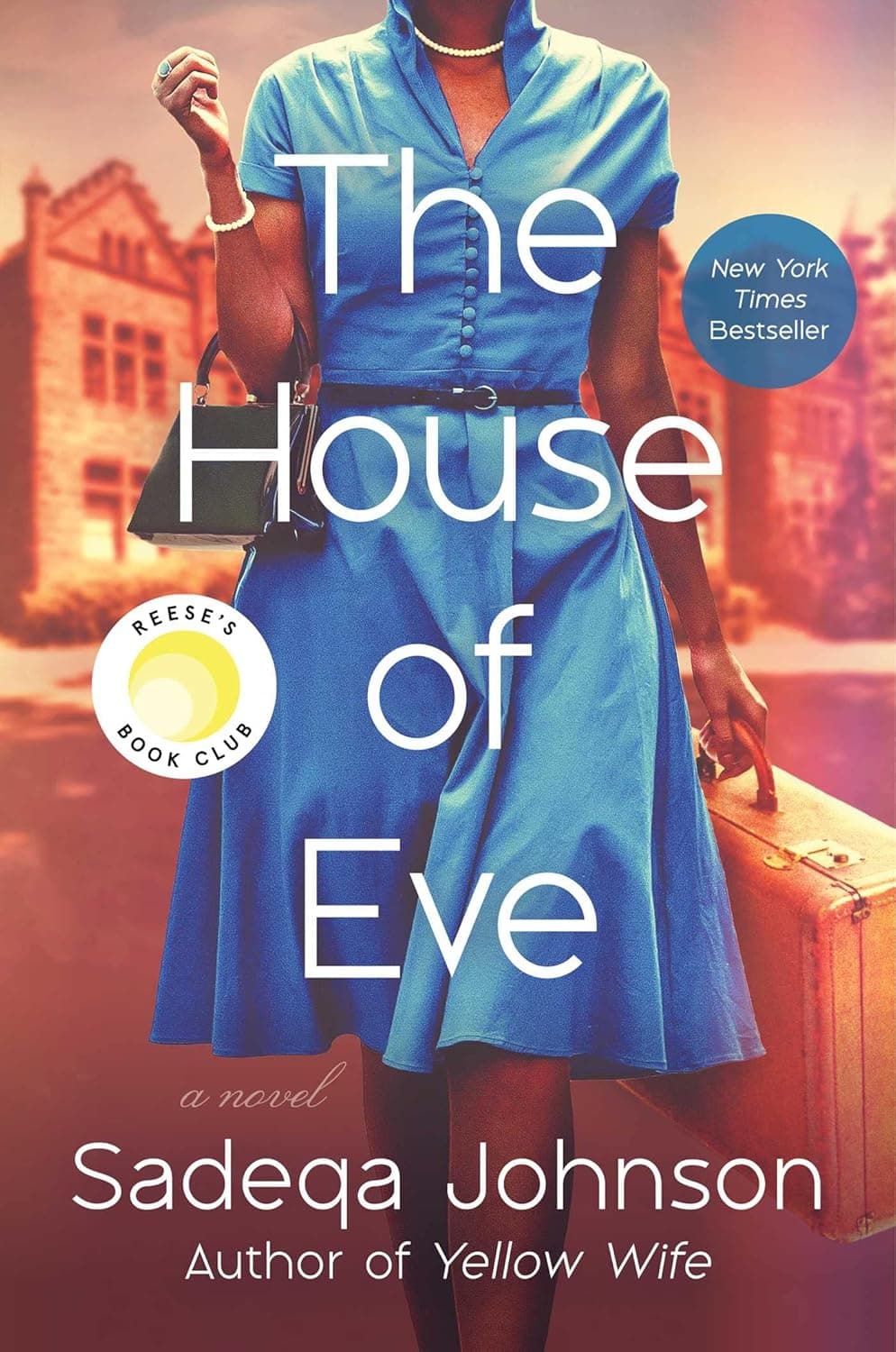
Sadeqa Johnson’s The House of Eve follows two young Black women—Ruby Pearsall and Eleanor Quarles—whose ambitions collide with the unforgiving realities of 1950s America. Across parallel storylines, the novel traces how race, class, and gender shape their options and burdens, and how secrets become both survival strategies and sources of lasting harm. At its core, the book interrogates the costs of motherhood, the sting of shame, and the fragile promise of social mobility.
Major Themes
Socioeconomic Class and Social Mobility
Bold and urgent, the theme of socioeconomic mobility drives both heroines’ choices and risks. For Ruby Pearsall, education is the only ladder out of North Philadelphia poverty—the We Rise scholarship becomes a lifeline constantly threatened by scarcity, as seen when a missing bus fare leads to predation (Chapter 1-5 Summary). Eleanor Quarles marries “up” into the Pride family—through William Pride—and enters a world of legacy and scrutiny policed by matriarch Rose Pride, whose “grand English castle” underscores the distance between working-class roots and Black upper-crust performance (Chapter 6-10 Summary).
Unwed Pregnancy, Motherhood, and Shame
Set against the Baby Scoop Era, the novel exposes how unwed pregnancy becomes a social crime and motherhood a site of control and loss. Ruby’s pregnancy reroutes her future into the House of Magdalene—an institution of forced repentance where labor and prayer stand in for punishment—framing surrender as salvation (Chapter 21-25 Summary). Eleanor’s repeated miscarriages and infertility create a parallel shame that pushes her toward secret adoption, a choice facilitated and policed by figures like Mother Margaret, and sustained by lies that protect status while wounding the self.
Race, Colorism, and Prejudice
Johnson maps racism across communities and within them, showing how external bigotry and internal color hierarchies constrain belonging and love. At Howard, unspoken rules about hair and skin tone gatekeep access to elite circles; Eleanor’s “warm bronze” marks her as other in spaces that prize paler complexions. Ruby’s relationship with Shimmy Shapiro dramatizes the dangers of interracial love—tenderness crushed by family and communal prejudice, culminating in decisions driven by fear rather than desire (Chapter 16-20 Summary).
Supporting Themes
Deception and Secrets
Secrets are the novel’s bitter currency: they shield women from social ruin even as they hollow out the truth of their lives. Eleanor stages pregnancies and hides an adoption to satisfy elite expectations of womanhood; Ruby disguises her confinement as a “prestigious internship”; and private dealings—such as William and Rose’s covert meetings with Mother Margaret—reveal how institutions and families collude to secure appearances.
Love, Marriage, and Sacrifice
Love in The House of Eve is tested by class, color, and propriety, demanding trade-offs that redefine intimacy. Eleanor’s marriage becomes a negotiation between affection and assimilation; to fit into the Pride world, she yields parts of herself. Ruby sacrifices first love and then motherhood to protect the future she’s fought to claim, recasting love as something one can lose on purpose to survive.
Mother-Daughter Relationships
Mothers shape their daughters’ choices, whether through care, neglect, or control. Ruby’s fraught bond with Inez Pearsall sharpens her refusal to repeat cycles of want and dependency, while Eleanor’s more nurturing—if imperfect—relationship with her mother contrasts with her adversarial dance with Rose. Across these pairings, the novel suggests daughters inherit both wounds and resolve.
Theme Interactions
- Class ↔ Shame: Poverty magnifies the penalties for female sexuality; Ruby’s lack of protection makes institutional coercion feel inevitable, while Eleanor’s working-class origins prime her to experience infertility as social failure in a wealthy family.
- Colorism ↔ Love: Desire runs up against color-coded rules; Eleanor’s visibility as darker-skinned invites judgment in courts of respectability, and Ruby’s romance with Shimmy collides with the era’s racial lines.
- Secrets ↔ Motherhood: Motherhood is secured—or surrendered—through concealment. Ruby’s hidden pregnancy leads to a child she cannot keep; Eleanor’s hidden losses lead to a child she vows to keep. Each woman’s survival rests on a lie that simultaneously saves and scars.
- Mobility ↔ Marriage: Eleanor’s ascent through marriage wins security but exacts identity compromises; Ruby’s educational climb requires sacrificing what marriage might have offered her in the moment. These interactions converge in the ending (Epilogue), where the child one woman relinquishes becomes the child another fiercely claims—turning private sacrifice into someone else’s hard-won salvation.
Character Embodiment
-
Ruby Pearsall: The face of ambition under siege, Ruby embodies class struggle, the policing of young women’s bodies, and the aching aftermath of forced surrender. Her path from scholarship hopeful to grieving birth mother shows how mobility can demand the costliest offerings of all.
-
Eleanor Quarles: A study in assimilation and longing, Eleanor gives shape to class anxiety, colorism’s quiet exclusions, and the elaborate secrecy required to be seen as a “proper” wife and mother. Her choice to adopt reveals motherhood as devotion forged in the shadow of loss.
-
Rose Pride: As gatekeeper of lineage and complexion, Rose crystallizes the Black upper class’s respectability politics—upholding standards that discipline Eleanor and silence inconvenient truths in the name of family.
-
William Pride: Loving yet complicit, William wavers between partner and son, reinforcing secrecy to reconcile his mother’s expectations with his wife’s vulnerabilities; he personifies how patriarchal systems enlist men to preserve appearances.
-
Mother Margaret: The sanctified face of institutional judgment, she weaponizes religion to separate mothers from children, illustrating how moral authority sustains social control.
-
Shimmy Shapiro: Ruby’s forbidden love becomes the prism for interracial prejudice; through him, the novel reveals how tenderness is often no match for communal fear and inherited bias.