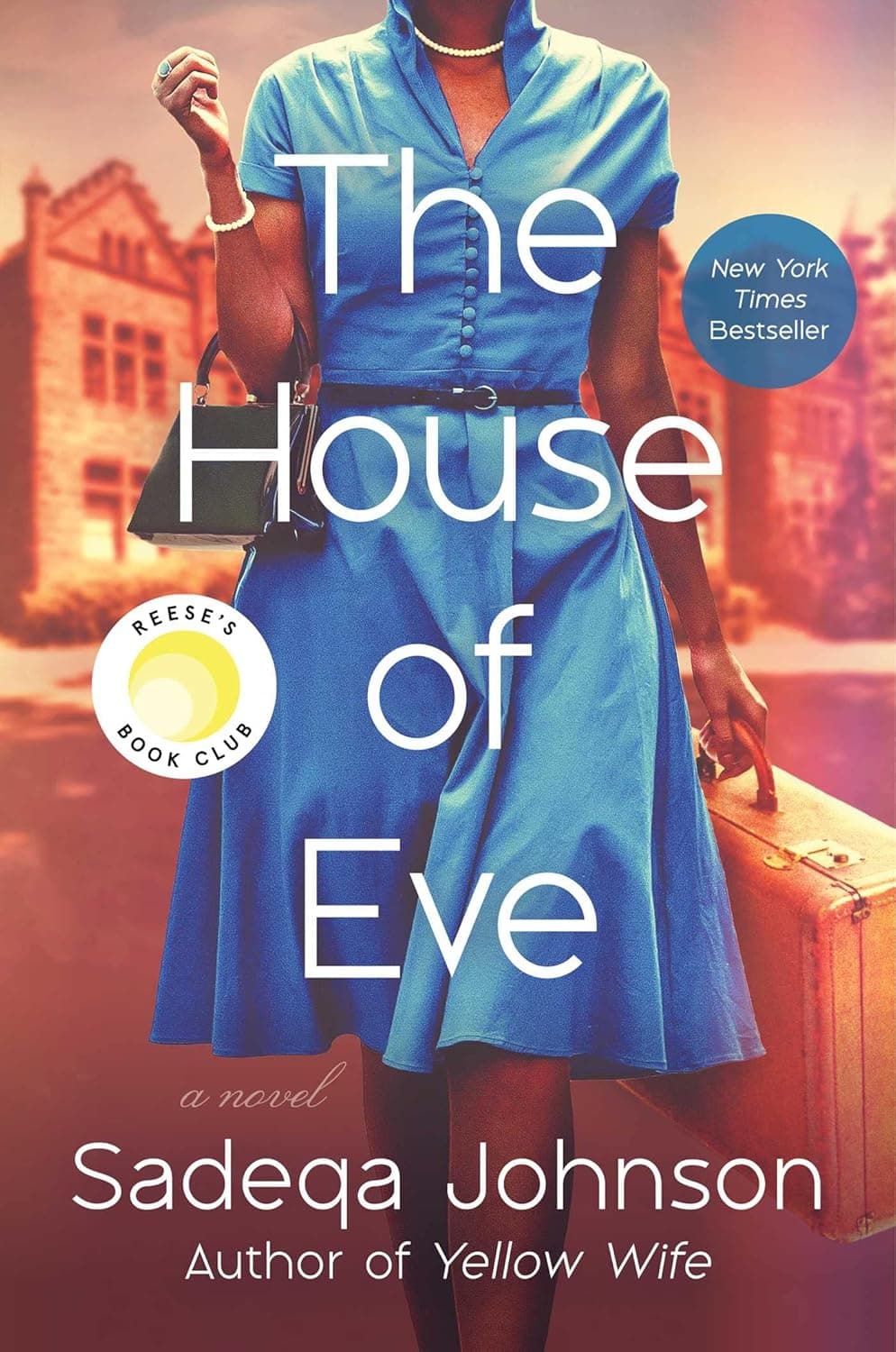
Opening
Two lives buckle under the weight of motherhood—one haunted by the child she surrenders, the other by the child she cannot claim as her own. As painful truths surface, marriages, loyalties, and identities fracture, pushing both women toward choices that redefine their futures.
What Happens
Chapter 41: Redeem Thyself
Returning to the Gingerbread House after relinquishing her baby, Ruby Pearsall moves through a home that suddenly feels hostile. The once-comforting smells and sounds slice at her; grief hollows her out. In the attic, she finds Loretta packing to leave with her parents—back to abundance, college prospects, and a soft landing Ruby no longer has. Loretta suggests staying in touch, but Ruby decides to bury this place along with the memory of Leap.
After Loretta’s car pulls away, Mother Margaret ushers in a new pregnant girl, Mary, and informs Ruby she must “redeem” herself by working a week in the laundry to pay for her keep. The “sentence” is brutal. The girls are marched through calisthenics to shed baby weight and spend long days scalding their hands over boiling linens. As the only Black girl in the basement, Ruby is isolated, assigned a damp cot in a hallway. Stripped of dignity and comfort, she prays—not for absolution for her supposed sins, but for the safety of her daughter, Grace.
Chapter 42: Green
Eleanor Quarles and William Pride bring home their newborn, Wilhelmina—Willa. The reality is relentless. Willa screams; William disappears into long shifts; Eleanor, exhausted and alone, fears the baby senses she isn’t her biological mother. When William’s parents arrive for dinner, Rose Pride swoops in and quiets Willa with ease, widening Eleanor’s private terror that she’s failing at motherhood.
At the table, Rose remarks that Willa’s “beautiful green eyes” must come from her side of the family. The comment collides with Eleanor’s memory of Mother Margaret mentioning Rose’s role in their adoption, and the truth snaps into focus. Eleanor accuses William and Rose of orchestrating the entire adoption, then pushes further: William, she believes, had an affair and fathered Willa; Rose arranged the adoption to hide the scandal and secure an heir. Rose calls her “delusional” and sneers about “what happens when you marry a girl from the wrong side of the tracks.” Shaken to the core, Eleanor grabs the car keys and drives away from her home and husband.
Chapter 43: The Aftermath
Ruby’s week ends. Mrs. Shapiro never arrives; her obligations are done. Aunt Marie wires bus fare, and Ruby rides back to Philadelphia. At the station, Mother Margaret offers a chilly blessing, then speeds away. In Aunt Marie’s kitchen—the first safe space Ruby has known in weeks—her defenses collapse. She sobs for Grace, for the ache in her body, for the thousands of girls funneled through this machine. Aunt Marie holds her and insists she did the right thing.
Ruby returns to school and moves through hallways as if underwater. She drowns herself in physics formulas and literature essays to numb the pain. One night, Shimmy Shapiro appears at her door, frantic to know what happened. They kiss, and for a moment she lets herself be held. Then she remembers her bargain with his mother—and the scholarship on the line. Ruby chooses her future over her heart, breaks things off, and closes the door.
Chapter 44: Open Road
Eleanor drives through the night to Elyria, Ohio, and collapses into her mother’s arms. In Lorraine’s warm kitchen—tea steaming, pound cake on a plate—she confesses everything: infertility, miscarriages, and the betrayal she believes the Prides engineered. Lorraine listens, then tucks her into bed like a child.
By morning, Lorraine offers practical, steely guidance. Don’t throw away a solid marriage to a doctor, she says, over a “highfalutin, uppity mama who can’t stop meddling.” Even if William strayed, a wife’s position is worth defending. The advice, shaped by a harsher set of options for women, challenges Eleanor’s instincts and complicates her next move, deepening the story’s exploration of Mother-Daughter Relationships.
Chapter 45: Bitter Taste
A week later, Ruby visits her mother, Inez Pearsall. She finds Inez remade as a homemaker, tending a new baby, Lena, with Leap. The air is taut; still, Ruby asks the question she’s never dared: Who is my father? Inez finally tells the truth. She once loved Junior Banks, a wealthy, light-skinned man who vanished when she became pregnant. His family dismissed her with cruelty and left her with nothing.
The confession reframes Inez entirely. Ruby recognizes the echo—both mother and daughter fell for men above their station and paid for it with their bodies and futures. For the first time, Ruby sees that Inez’s abandonment was desperation, not malice, mirroring Ruby’s own sacrifice of Grace. Before Ruby leaves, Inez hands her a letter from Cheyney State College. Ruby steps into the hall to the sound of Inez cooing to Lena—love Ruby never received—feeling both the sting of inherited hurt and the possibility of breaking the cycle.
Character Development
Across these chapters, grief strips both women down to their core beliefs. Each chooses a path that trades immediate comfort for long-term self-preservation, revealing how love, class, and power trap and test them.
- Ruby Pearsall: Moves from raw devastation to determined control. She rejects Shimmy to protect her education, reframes Inez as a fellow survivor, and begins to imagine a future that honors Grace.
- Eleanor Quarles: Finds her voice in a blistering confrontation, refuses to be managed by the Prides, and seeks refuge and counsel in her mother’s home as she weighs dignity against security.
- Inez Pearsall: Steps out from behind her hardness to expose early heartbreak and class-based rejection, transforming from antagonist to a tragic mirror of Ruby’s struggle.
Themes & Symbols
These chapters braid together unflinching portraits of Unwed Pregnancy, Motherhood, and Shame and Deception and Secrets. Ruby’s coerced “redemption” labor spotlights institutional shaming that polices girls’ bodies while profiting from their pain. Eleanor’s dawning realization—catalyzed by one offhand remark—exposes how secrecy corrodes trust and turns family into an engine of control.
Class stratification drives choices and devastations, sharpening the novel’s critique of Socioeconomic Class and Social Mobility. Loretta’s easy exit, Rose’s entitlement, and Junior Banks’s cowardice show how wealth shields some from consequences while magnifying them for others. Mother-daughter bonds become crucibles where competing values collide; Lorraine’s hard counsel and Inez’s confession illuminate how love can both constrain and liberate across generations.
- Symbol: Green Eyes. Willa’s green eyes become the visual tell of a deeper lie—an inheritance that seems to bypass Eleanor entirely. They crystallize her suspicion into certainty, embodying lineage, legitimacy, and exclusion in one relentless image.
Key Quotes
“Redeem” herself
The word frames motherhood outside wedlock as a moral crime requiring payment. Ruby’s forced labor exposes how institutions dress punishment in the language of salvation.
The laundry “sentence”
Calling the week a “sentence” recasts the home as a carceral space. Ruby’s isolation in the basement underscores how race compounds the punishment.
“Delusional.”
Rose’s dismissal silences and pathologizes Eleanor’s clarity. The insult wields class and power to discredit a woman’s intuition about her own life.
“When you marry a girl from the wrong side of the tracks.”
This sneer lays bare the Prides’ classism and contempt, confirming Eleanor’s deepest fear: she is a permanent outsider in her own family.
“Highfalutin, uppity mama who can’t stop meddling.”
Lorraine names the problem plainly—Rose’s control—while revealing a generational survival logic that urges accommodation over rupture, complicating Eleanor’s path forward.
Why This Matters and Section Significance
These chapters deliver the emotional crest and fallout of the novel’s twin arcs. Eleanor’s marriage fractures under the pressure of secrecy and class warfare; Ruby’s soul is scraped raw by institutional cruelty, then steeled by her choice to prioritize education over romance. Parallel betrayals—by family, by class structures, by systems that punish female desire—bind their stories more tightly than ever, setting up a resolution where survival depends on which legacies they keep and which they refuse to pass on.