Opening
Two parallel climaxes unfold: one built on a comforting lie, the other on a wrenching erasure. In Ohio, Eleanor Quarles faces a reckoning with her marriage as Rose Pride arrives with a story that rewrites the truth. In Philadelphia, Ruby Pearsall holds the future she’s dreamed of—and realizes it demands the costliest sacrifice.
What Happens
Chapter 46: Revelations
Eleanor returns to her parents’ modest Ohio home, adrift and avoiding William Pride. Her solitude breaks when Rose steps in, swathed in mink, her wealth and polish clashing with Eleanor’s surroundings. Rose insists on explaining herself. She recounts her family history: a grandmother born to a slave owner and a light-skinned grandfather who secured status and wealth by separating themselves from poorer, darker Black people. The monologue lays bare the colorism and class hierarchy shaping Rose’s worldview and her relentless pursuit of Socioeconomic Class and Social Mobility.
Then comes the calculated “revelation.” Rose confesses she arranged Wilhelmina’s adoption but claims William is not the biological father. She says she tapped into a secret “market of well-bred Negro children” connected to the Magdalene home, a discreet service for wealthy Black couples who can’t conceive. Framing this as a protective act of Deception and Secrets, Rose offers what she believes Eleanor wants but could never accept from her: a family built without the stain of infidelity. To seal the truce, she gives Eleanor her grandmother’s pearl bracelet and pleads for Eleanor to forgive William and come home, invoking Love, Marriage, and Sacrifice.
Stunned, Eleanor walks the neighborhood, feeling the pull of her roots and the weight of Rose’s story. When she returns, William waits on the porch with Wilhelmina. He apologizes—he panicked when Eleanor hid her first miscarriage and made a terrible decision. He explains Rose called him. Believing Rose’s lie and moved by William’s remorse, Eleanor forgives him. She takes the baby, and they go inside together. The chapter closes on reconciliation and a tentative shift in their tense Mother-Daughter Relationships dynamic, even as Eleanor’s new happiness rests on a falsehood.
Chapter 47: Signed and Sealed
Ruby opens an envelope at Aunt Marie’s house: a university acceptance and a full four-year Armstrong Foundation scholarship—Mrs. Shapiro’s promise kept. This is everything she has fought for. Yet the words blur; elation never arrives. Instead, a hollow quiet settles in, the weight of what she has lost eclipsing what she has won.
Aunt Marie bursts with joy, praise dancing as she celebrates the first college student in their family. Her pride and relief radiate through the room, a buoyant counterpoint to Ruby’s numbness. The gap between them widens—Aunt Marie sees salvation; Ruby feels isolation.
Watching her aunt, Ruby understands what moving forward will require. She must do as Mother Margaret advised at the home for unwed mothers: choose to forget her baby and the birth. To take her place in the life she planned, she must seal off the part of herself that aches. The chapter crystallizes the tragedy of Unwed Pregnancy, Motherhood, and Shame: Ruby’s success demands a deliberate erasure.
Key Events
- Rose tracks Eleanor to Ohio and recounts a family history rooted in colorism and class.
- Rose lies that William isn’t Wilhelmina’s father and claims she arranged a discreet adoption through the Magdalene home.
- As a peace offering, Rose gifts a pearl bracelet—an heirloom symbol of acceptance.
- William arrives; he apologizes, and he and Eleanor reconcile. Eleanor embraces motherhood under false assumptions.
- Ruby receives a university acceptance and a full Armstrong Foundation scholarship.
- Ruby feels emotionally numb despite the victory.
- Ruby resolves to forget her baby to pursue college and the future she planned.
Character Development
These chapters pivot both protagonists toward their endgames—Eleanor toward a restored family built on illusion, Ruby toward achievement bought with silence.
- Eleanor Quarles: Moves from betrayal to forgiveness, accepting motherhood by embracing Rose’s lie and choosing family over truth.
- Rose Pride: Reveals her ruthless pragmatism and deep-seated classism; manipulates the narrative to protect legacy while extending a genuine olive branch.
- William Pride: Shows earnest remorse and a need to repair what he broke; allows Rose’s intervention to reassemble his family.
- Ruby Pearsall: Attains her lifelong goal yet feels emptied by trauma; commits to self-erasure as the price of advancement.
Themes & Symbols
Deception and Secrets drive Eleanor’s storyline: Rose’s fabrication functions as a balm that “heals” by hiding the wound. The reunion works because everyone agrees not to touch the truth. That fragile accord underscores how easily a family can be rebuilt on appearances—and how precarious such peace remains.
Socioeconomic Class and Social Mobility underline both chapters. Rose’s origin story rationalizes her colorism as survival strategy, not mere snobbery; lineage becomes armor. For Ruby, mobility comes with an invoice: she must sever herself from her past to be permitted a future.
Love, Marriage, and Sacrifice surface in competing forms. Eleanor’s marriage is saved by surrendering the truth. Ruby’s love for her own future requires relinquishing her child and the self that remembers. Motherhood and Shame binds the arcs together: Eleanor accepts mothering when shame is scrubbed away by a lie, while Ruby is shamed out of mothering to escape social punishment.
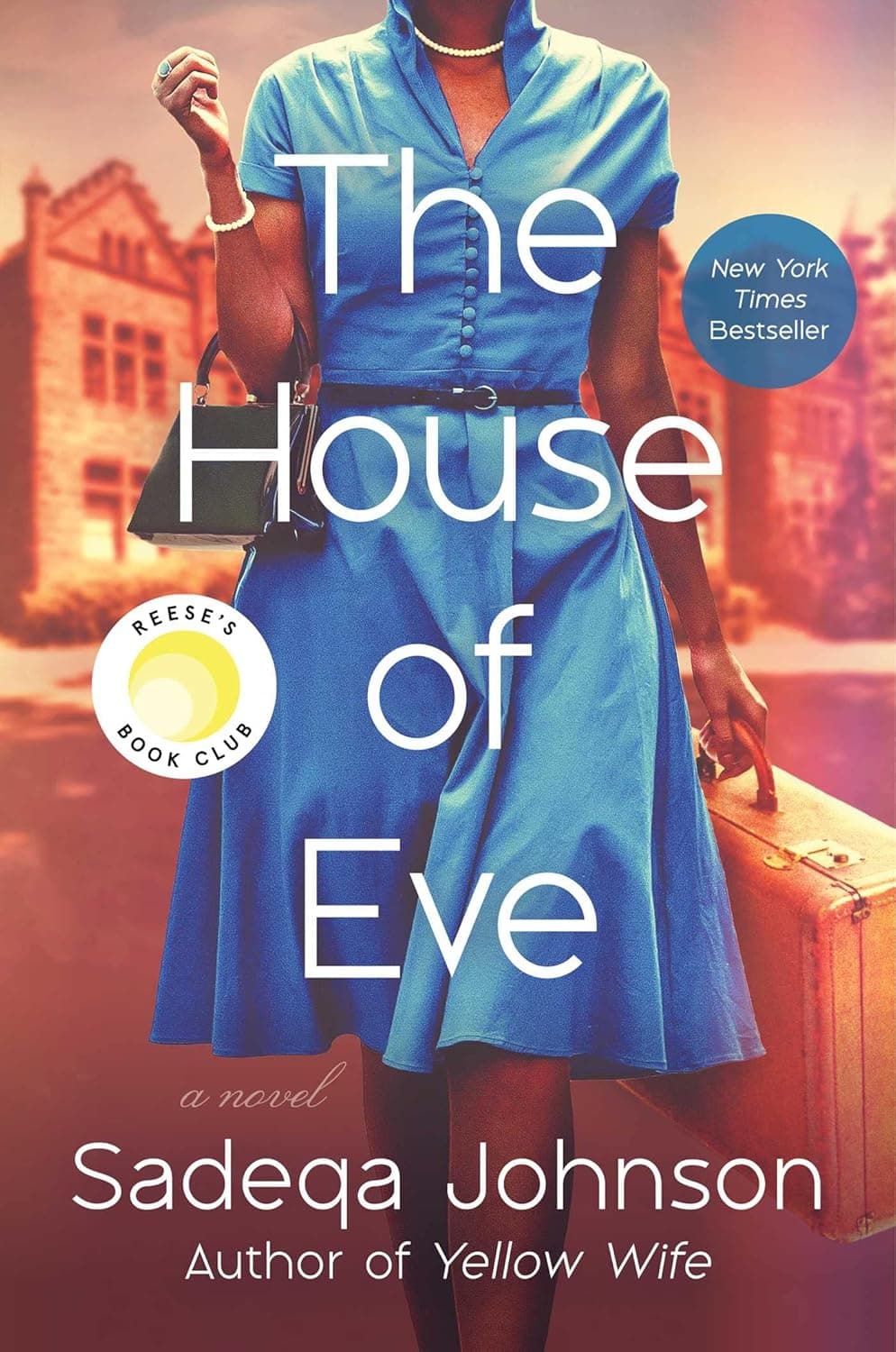
- Symbol — The Pearl Bracelet: A gleaming contract. The heirloom offers Eleanor entry into the Pride lineage and cements a truce. It carries legacy, approval, and a cost: accepting the terms of the family story as Rose dictates it.
Why This Matters and Section Significance
-
Eleanor’s False Resolution: The reunion satisfies in the moment but hums with dramatic irony. The lie that restores the family also endangers it, promising future fractures when truth surfaces.
-
Ruby’s Tragic Victory: The scholarship fulfills a dream while exposing the cruelty of the system that demands her silence. Her ascent is real—and so is the loss it requires.
-
Parallel Design: Side by side, the chapters reveal how class and circumstance dictate the shapes of sacrifice. One woman gains a child through a lie; the other relinquishes a child to grasp a future. Together, they frame the novel’s urgent questions about what survival costs—and who pays.