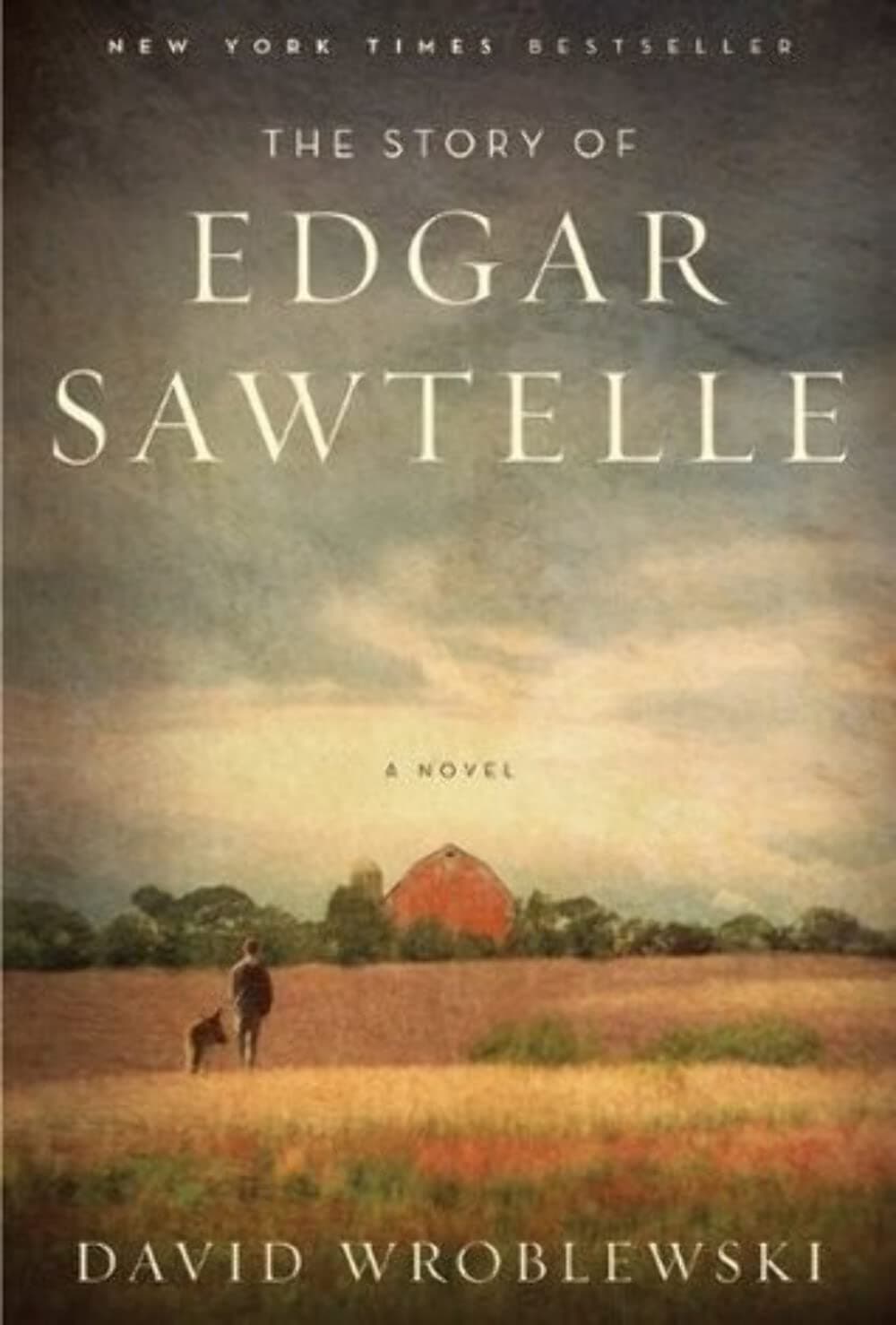
Opening
A barn erupts into flame as loyalties snap and long-buried secrets surface. Amid smoke and panicked dogs, a son races to salvage his family’s history while a murderer moves to erase his past. The night becomes the crucible where legacy, guilt, and love collide.
What Happens
Chapter 46: The Fire Begins
From the kitchen, Trudy Sawtelle waits for Edgar Sawtelle to return from the barn. The dogs erupt, and a man groans. Claude Sawtelle jolts awake, feigning confusion, and claims it must be a drunk Glen Papineau. Outside, Trudy finds Glen on his knees by the tractor, face and shoulders caked in white powder. In the barn’s flicker, she glimpses Edgar before he slips back into shadow.
The powder is quicklime, burning Glen’s eyes. When Trudy confronts him, Glen blurts, “Tell her, Claude! It was just to ask him a question,” exposing Claude’s role. Trudy slaps him, demanding to know Edgar’s safety—then a pocket of vapor ignites, ether flashing into a fireball at the barn doors. Flames take hold. Trudy and Edgar sprint to release the dogs while Claude guides the blinded Glen toward the house and lies that the barn phone line has burned through, a sharp turn into Truth and Deception.
Reuniting, Trudy and Edgar sign. Edgar confirms Glen used ether; he hurled the quicklime in self-defense. Trudy realizes Glen, out of uniform, could only know Edgar was back if someone told him. Fury and dread fuse into one as the night tilts toward Betrayal and Revenge; she charges the house, screaming at Glen and Claude for the truth.
Chapter 47: Remember Me
Edgar finishes freeing the dogs. He finds Essay, singed but safe. Smoke pours from the barn; he understands it will be lost. The sight pulls him back to his father, Gar Sawtelle, and the sacred weight of the kennel records—fifty generations of work, the essence of Family and Legacy. He can’t let them burn.
He runs into the smoldering workshop and hauls out armloads of files. Outside, elation surges—“as if he’d somehow traveled back to the moment his father lay on the workshop floor and found the thing that could save him”—and he plunges back in. Through the wavering smoke, he sees Trudy trapped beneath the thrashing, blinded Glen while Claude watches from the porch.
Edgar grabs a wheelbarrow from the milk house to move more records at once. Before his next trip, he signs a final command to Essay to go. She licks his face and bolts to join the others. Edgar turns to the fire again, focused on rescuing the Sawtelle history.
Chapter 48: Let It Burn
From Claude’s point of view, the fire is deliverance. “Let it burn,” he thinks. The barn is insured, but more important, the blaze can erase the evidence of his crime: the poison he used to kill Gar, hidden with a syringe in the bottom drawer of the oldest file cabinet. He has already lied about the phone line to keep the fire unchecked.
As Edgar ferries records, Claude’s panic sharpens. If the files survive, so might the truth. He imagines tackling Edgar—appearing heroic to Trudy—while guiding events so Glen takes the blame and Edgar looks unstable. But Essay’s stare rattles him, recalling the night Edgar used a syringe in “play.” And Edgar, smeared in lime, looks like Gar. The pressure of guilt and fear crushes his caution. Claude walks into the burning barn and “helps” Edgar, edging closer to the cabinet where the poison waits.
Chapter 49: To Resurrect or Revenge
Edgar works in a rush of purpose. Claude materializes in the smoky workshop and starts shoveling files into the barrow. When the load overflows, Edgar heaves it outside and dumps a paper blizzard across the grass—genealogies, notes, letters, the living record of their dogs.
Trudy, still pinned by Glen, begs him to stop. Edgar signs back: He can’t. Not yet. His choice hardens into necessity.
He understood what it meant to go back into the workshop... It was only that he could not split himself the way he once had; could not choose between imperatives. To resurrect or revenge. To fight or turn away.
Remembering a dream-born idea to clear the smoke, he angles the empty barrow toward the doors and heads in for one last haul.
Chapter 50: The Act Itself
As soon as Edgar leaves the workshop, Claude moves. He opens the file drawer, takes the bottle and syringe, and in his haste pricks his own palm. He draws a trace of poison into the needle and waits.
Edgar returns with the barrow and digs into the lowest drawer—the same drawer. Claude crosses the room. The narration is bare and merciless: “The act itself took just an instant.” He injects Edgar, then backs away, shuts the workshop door, and slumps, flinging the syringe aside as he once did after killing Gar.
Edgar keeps working, oblivious. Then he stops, listening for something unheard. He bypasses Claude, grabs a pitchfork, and stares upward. Focused on his plan to rake the smoke from the rafters, he crouches, aims, then drives the tines straight into the dark above.
Key Events
- Glen Papineau, sent by Claude, ambushes Edgar with ether in the barn.
- Edgar blinds Glen with quicklime; spilled ether ignites, and the barn catches fire.
- Edgar and Trudy free the dogs amid spreading flames.
- Edgar repeatedly reenters the barn to save the kennel’s breeding records.
- Claude, intent on erasing his crime, retrieves the hidden poison and syringe.
- Inside the workshop, Claude poisons Edgar.
Character Development
In the pressure of the fire, each character reveals their core.
- Edgar Sawtelle: Purpose eclipses fear as he commits to safeguarding his father’s work. His drive shifts from revenge to preservation, defining him by duty and legacy rather than grievance.
- Claude Sawtelle: The mask drops. Calculating and cornered, he chooses murder over exposure, narrating to himself how he’ll reshape the story even as he repeats his crime.
- Trudy Sawtelle: Maternal ferocity replaces doubt. She confronts Glen and condemns Claude, seeing through his lies even as she’s physically restrained.
- Glen Papineau: Reduced from menace to pawn, his blindness and panic pin Trudy and entangle him further in Claude’s scheme.
Themes & Symbols
The burning barn concentrates the novel’s central tensions. Family legacy faces annihilation as personal guilt seeks a cleansing fire. Edgar’s rescue of the records reframes vengeance: preserving what matters becomes its own form of resistance. Truth and deception structure every choice—Claude’s lies about the phone, Glen’s confession, Edgar’s towering faith in what the records mean—even as the smoke obscures sight and judgment.
Symbols crystallize meaning:
- The Barn: The Sawtelle heartland, now a pyre. Its destruction signals an ending for the line and an attempt to cauterize history.
- The Breeding Records: The family’s living archive. Saving them is Edgar’s attempt to rescue memory itself and assert that lineage outlasts catastrophe.
- Fire: Destruction and supposed purification. For Claude, it promises erasure; in practice, it exposes everything.
- The Syringe: Cold continuity between murders, the instrument tying past and present—proof of a cycle Claude refuses to break.
Key Quotes
“Let it burn.”
- Claude reframes disaster as opportunity, revealing his primary allegiance to self-preservation. The starkness of the line strips away any pretense of grief or accidental tragedy.
“As if he’d somehow traveled back to the moment his father lay on the workshop floor and found the thing that could save him.”
- Edgar’s rescue mission becomes a time-bending act of love, an effort to undo the foundational wound of the novel. Saving the records substitutes for saving Gar.
“The act itself took just an instant.”
- The clipped narration mirrors the precision and moral void of Claude’s violence. Repetition—here echoing Gar’s murder—becomes damning evidence rather than cover.
“To resurrect or revenge. To fight or turn away.”
- Edgar names the competing imperatives that have driven him. In choosing preservation, he resolves a long-standing split, even as it leads him back into danger.
Why This Matters and Section Significance
These chapters form the tragic climax. Gar’s murder, Edgar’s search for truth, Claude’s manipulation, and Trudy’s divided loyalties converge in one night of smoke and flame. The fire stages a Hamlet-like endgame: poison returns, a son tries to redeem a father, and a family collapses under the weight of secrets. Claude’s choice to murder Edgar rather than face exposure fixes the path to the novel’s devastating conclusion, while Edgar’s last, determined labor preserves what he can—meaning, memory, and the fragile thread of the Sawtelle name.