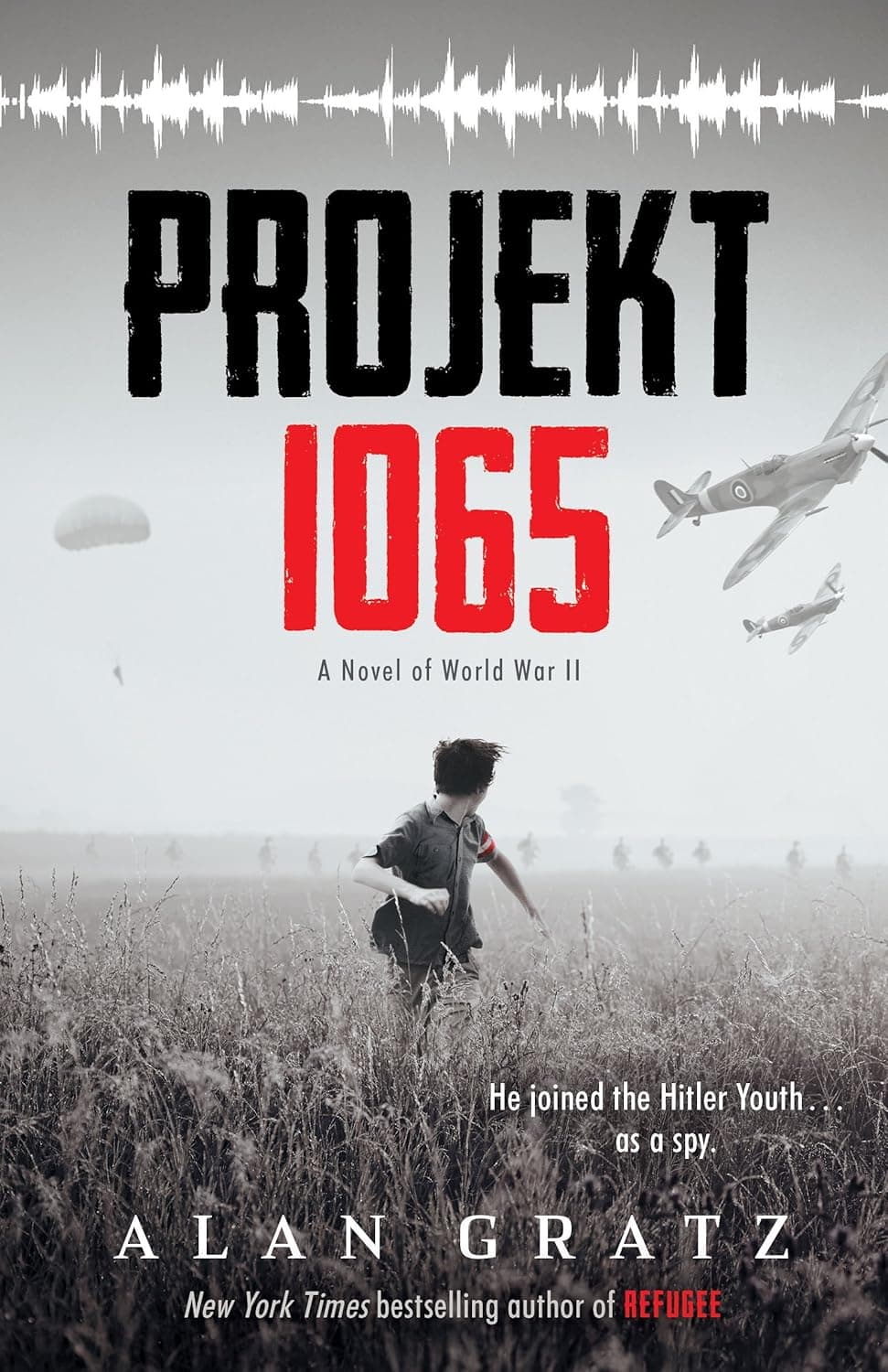
Opening
Three days after their harrowing escape from Berlin, Michael O'Shaunessey sits in a London office, turning everything he remembers into weapons against the Nazis. While the adults talk politics and protocols, Michael quietly finishes the most dangerous part of his childhood—by giving it away to the British.
What Happens
In London, the Special Operations Executive debriefs Michael’s Ma and Da while Michael works with Chief Technician Ross, a dryly funny Scotsman, and Agent Faulkner, a prim English gentleman. Using the photographic memory he sharpened playing Kim’s Game with Lieutenant Simon Cohen, Michael reconstructs the blueprints for Projekt 1065 with exacting precision. Every line and measurement returns; he’s certain the Allies can counter the Nazi jet if it ever reaches production. He punctures the room’s stiffness with a joke at the English—asserting his Irishness—leaving the aristocratic Faulkner puzzled and Ross amused.
As the drawings take shape, so do Michael’s memories. He credits Simon for the training that helped him save Professor Goldsmit and thinks of Fritz Brendler, once a friend, ultimately a fanatic who lived by the Hitler Youth creed yet did not, as the song promised, “die laughing.” Then Faulkner delivers the future: the O'Shaunesseys are reassigned to Washington, D.C., where Michael’s mother will help the Americans build their own intelligence service. When Michael asks—half-earnest, half-hopeful—for a medal, Faulkner answers with the cold machinery of wartime secrecy: under the Official Secrets Act, none of this can ever be spoken of. Breaking that silence means prison, and worse—exposure for Irish agents still in the field and the collapse of Ireland’s cover of neutrality.
The truth lands hard. Michael flares with outrage at the erasure of his family’s risks and sacrifices, but the anger fades into understanding. He once resented Ireland’s “neutrality”; now he sees it as deliberate camouflage that made covert work possible. Faulkner’s brusque farewell—“Welcome to the world of international espionage”—closes the door on Michael’s boyhood. The reward is not a ribbon but the quiet knowledge that he, his family, and his country fought for freedom in secret.
Character Development
Michael’s transformation completes itself not in a blaze of glory, but in acceptance. He releases the fantasy of public honor and embraces the hidden work of service.
- He lets go of his desire for a medal and recognizes anonymity as part of duty.
- He reframes Ireland’s neutrality from cowardice to strategy, aligning pride with secrecy.
- His training with Simon matures from a game into a life-saving skill—and a way to carry responsibility without applause.
- His coming of age hinges on a new definition of heroism: doing the right thing when no one can know you did it.
Themes & Symbols
Secrecy defines victory. The chapter distills the logic of spycraft: deception does not end with the mission; it begins again as silence. Ireland’s neutrality functions as an operational mask, shielding the O’Shaunesseys and other covert operatives while enabling Allied strategy. The glamour of intelligence work dissolves into the discipline of keeping the story untold—an ethic at the heart of Deception and Espionage.
The cost of war arrives as erasure, not injury. Being forbidden from speaking is the ultimate tax on Michael’s bravery, crystallizing Moral Compromise and the Cost of War. His final step into adulthood closes the loop on Coming of Age and Loss of Innocence: he abandons the visible trappings of heroism and accepts a private, permanent weight. The small detail of the “WH SMIT” eraser, its “H” rubbed away, becomes emblematic—Michael’s name and deeds are rubbed from the public record, even as the work endures.
Key Quotes
“Welcome to the world of international espionage.” Faulkner’s flat declaration strips away fantasy and frames the chapter’s thesis: espionage is duty without recognition. The line ends Michael’s childhood and inaugurates the long quiet of secrecy that protects others more than it honors the self.
“Die laughing.” The bitter echo of the Hitler Youth lyric underscores the lie at the heart of fascist fanaticism. Fritz’s fate exposes the emptiness of the creed he served, contrasting Michael’s silent, life-preserving courage with a cult of death that can’t keep its own promises.
Why This Matters and Section Significance
This chapter serves as a sober epilogue that reframes the entire novel: the greatest acts may be those no one can ever acknowledge. It binds plot and theme—memory as weapon, secrecy as shield—and connects Michael’s training, choices, and risks to a larger network of hidden Allied efforts. The absence of public reward becomes the point. Michael’s victory is inward: a settled conscience and the knowledge that he upheld his values, aligning courage with restraint and the private heroism explored throughout the book’s meditation on Courage, Fear, and Confronting Weakness.