Opening
Chaos at the casting call collides with revelation at rehearsal. As Mother battles interference, a town’s outrage, and six unruly kids, the Herdmans seize every lead role—and then hear the nativity for the first time, transforming the pageant and everyone’s understanding of it.
What Happens
Chapter 3: The Casting Call
Mother fields constant phone calls from the recuperating Mrs. Armstrong, who tries to direct the Christmas pageant from her hospital bed. She dictates the “right” way to cast Mary—“cheerful, happy...unselfish and kind”—and repeats clichés like “there are no small parts, only small actors,” usually while interrupting the family’s dinner. By the time the first rehearsal arrives, Mother is already worn thin.
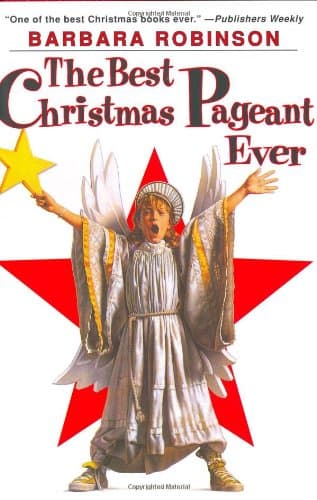
At church, Mother follows Mrs. Armstrong’s script and asks for volunteers for Mary, expecting only Alice Wendleken. Instead, Imogene Herdman raises her hand—alone—and promptly declares that Ralph Herdman will be Joseph. The room freezes. No one else dares to compete, so the rest of the brothers—Leroy Herdman, Claude, and Ollie—claim the Wise Men, and the youngest, Gladys Herdman, snatches the Angel of the Lord. Terrified shepherds consider quitting on the spot, convinced Gladys’s “good news” will arrive with a punch.
Afterward, the narrator explains why Alice didn’t volunteer: Imogene threatened a campaign of torments, ending with shoving a pussy willow down Alice’s ear until it sprouted—believable because it once happened to Ollie. News of the Herdmans’ takeover races through town. Parents phone to complain and suggest demoting the Herdmans to handing out programs. When Mrs. Armstrong pronounces, “Whatever happens, I accept the blame,” her condescension ignites Mother’s resolve. Backed by Reverend Hopkins, who reminds everyone that Jesus’s “suffer the little children” includes all children, Mother vows to produce “the very best Christmas pageant anybody ever saw”—with the Herdmans—foregrounding Inclusion and Acceptance.
Chapter 4: The First Rehearsal
The first full rehearsal is unusually quiet—everyone is waiting for the Herdmans to explode. They arrive late and immediately reveal they know nothing about the nativity: not shepherds, not inns, not mangers. Mother starts at the beginning and reads the story from the Bible. The regulars zone out, but the Herdmans lean in, riveted. Their attention reframes them in the community’s eyes—from menaces to kids who’ve never had anyone explain any of this—shifting the lens toward Perspective and Understanding.
Their reactions are blunt and startling. When Mother reads that Mary is “great with child,” Ralph translates, “Pregnant!” Imogene explodes at the innkeeper—“Not even for Jesus?”—and wonders why Joseph doesn’t do more. They compare the manger to a bureau drawer they once put Gladys in. “Swaddling clothes” sound to them like tying up a baby and sticking him in a feedbox—“Where was the Child Welfare?” Their questions scrape off the sentimentality and expose the story’s harsh realities: poverty, rejection, and danger.
They keep filtering the tale through their own world. Gladys imagines the Angel’s entrance like a comic book hero—“Shazam!” Imogene calls frankincense and myrrh a cheap gift, like oil from “a cheap king.” King Herod seizes their imagination as a villain; they demand he appear in the pageant so they can beat him up. Arguing over whether Joseph should have burned down the inn or just chased off the innkeeper, they respond fiercely to injustice. Their rough moral focus signals early Transformation and pushes the rest of the kids—and the reader—to reconsider The True Meaning of Christmas.
Character Development
The pageant becomes a mirror, revealing what each character values—rules, reputation, justice, or compassion—and how those values evolve under pressure.
- Mother: Moves from reluctant substitute to determined director. Stung by Mrs. Armstrong’s meddling, she doubles down, showing patience, grit, and creativity as she teaches kids who’ve never heard the story.
- The Herdmans: Shift from cartoonish terrors to vivid, uncoached truth-tellers. Their ignorance is real; so is their outrage at cruelty. They don’t mock the story—they wake it up.
- Alice Wendleken: Embodies the town’s propriety and judgment. She frets over decorum and tattles, missing the story’s human stakes.
- The Narrator: Watches fear turn to curiosity. She begins to bridge the gap between the church kids and the Herdmans, recognizing the power of fresh eyes.
Themes & Symbols
-
Challenging Preconceptions: The town expects sabotage; the Herdmans deliver sincerity. Their takeover looks like a prank, but their awed, angry questions prove they are trying to understand, not destroy, revealing how reputation blinds people to reality.
-
Perspective and Understanding: Hearing the nativity for the first time, the Herdmans notice what familiarity has dulled—exclusion at the inn, a birth in a feedbox, a threatened infant. Stripping away pageant polish, they uncover the story’s grit, danger, and tenderness.
-
Inclusion and Acceptance: Reverend Hopkins applies the gospel to the hardest case. Mother’s insistence on keeping the Herdmans in the spotlight turns inclusion from a slogan into a communal test—who is the church for?
Symbols emerge in new light: the manger becomes a symbol of emergency shelter rather than quaint décor; the Angel’s proclamation feels like a battle cry; Herod personifies the ever-present threat to vulnerable lives.
Key Quotes
“There are no small parts, only small actors.”
Mrs. Armstrong’s cliché exposes how out of touch the old pageant model is. It promises dignity while enforcing rigid casting that keeps the same children important and others invisible—exactly what Mother overturns.
“Whatever happens, I accept the blame.”
Framed as magnanimous, this line patronizes Mother and the church. It backfires, galvanizing Mother to own the pageant and to defend the Herdmans as participants, not problems.
“My God! Not even for Jesus?”
Imogene’s outburst shatters polite distance. What sounds irreverent is actually reverent—she names the moral failure at the inn and insists hospitality should meet need, not respectability.
“Suffer the little children to come unto me.”
Reverend Hopkins’s reminder brings doctrine down to earth. It silences complaints by applying the text to the town’s most disruptive children, turning a verse into a mandate for practice.
Why This Matters and Section Significance
These chapters trigger the book’s central conflict—tradition versus truth—and introduce its guiding device: an outsider lens that revives a familiar story. The Herdmans’ casting supplies the stakes; their first encounter with the nativity supplies the spark. Together they compel the community, and the reader, to trade a tidy pageant for a living story—and to recognize that the “best” Christmas pageant depends less on perfect performances than on who is welcomed in.