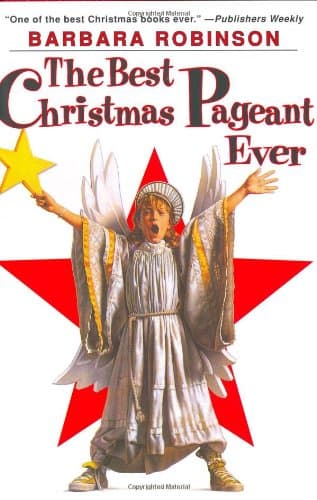
A small-town church pageant becomes the unlikely stage for a moral reset in Barbara Robinson’s The Best Christmas Pageant Ever. When the notorious Herdman siblings crash the production, their blunt curiosity and unruly energy push a complacent community to confront what it believes about faith, charity, and one another. Through humor and disruption, the book reawakens old truths and reframes the familiar.
Major Themes
Challenging Preconceptions
The town confidently “knows” who the Herdmans are—and what they deserve—until the pageant exposes how thin those judgments are. Faced with the children’s rough edges, adults like Mother and the Narrator learn to separate harmful behavior from the poverty and neglect that shape it. The novel argues that labels protect the comfortable more than they reveal the truth, and that seeing people clearly is the first step toward grace.
Perspective and Understanding
The Herdmans’ unfamiliarity with the Nativity story turns cliché into revelation. Their raw questions—voiced most memorably by Imogene Herdman—strip away reverent routine and re-center the story’s human stakes: a displaced family, unjust rulers, and precarious hope. By letting outsiders “misread” the sacred tale, the book shows how fresh perspective restores meaning that habit dulled.
The True Meaning of Christmas
Robinson contrasts a polished ritual with a messy, honest encounter with the holy. Against the rote perfection embodied by “model Mary” Alice Wendleken, the Herdmans’ choices—guarding the baby fiercely, offering what they actually value, weeping at the wonder—recover the story’s vulnerability and awe. The pageant stops performing Christmas and begins living it.
Inclusion and Acceptance
Inviting the town’s least welcome children into the pageant tests whether the church believes what it preaches. Mother insists on fairness, and Reverend Hopkins nudges the congregation toward hospitality, turning inclusion from a slogan into a practice. Acceptance doesn’t erase conflict; it creates the conditions for understanding to take root.
Transformation
Change arrives not as instant reform but as softened hearts and truer sight. The Herdmans don’t become saints, yet the ham they surrender and the tears they shed mark the beginnings of generosity and reverence; the narrator’s vision of Mary and the Wise Men is permanently altered. The town leaves the pageant unable to explain why it was “the best”—only that it was real, and therefore changing.
Supporting Themes
Chaos vs. Order
The Herdmans’ chaos shatters a pageant prized for order, exposing how “order” had become emptiness. Their unruliness unsettles the congregation, but that very disruption makes space for humility and truth, fueling Inclusion and Acceptance while clearing a path to The True Meaning of Christmas.
Community and Belonging
Living “over a garage” and outside every social circle, the Herdmans crave belonging even as they sabotage it. The pageant becomes their first shared ritual with the town, revealing how community strengthens when it risks hospitality—a direct echo of Inclusion and Acceptance leading toward Transformation.
The Power of Storytelling
The Nativity story itself changes the tellers. Long dulled by repetition, it flares alive when heard by people with no pious filter, powering Perspective and Understanding and unlocking The True Meaning of Christmas. The book insists that stories prove their worth in the hearts they move, not the scripts they follow.
Theme Interactions
- Challenging Preconceptions → Inclusion and Acceptance: The town can’t include who it refuses to see; confronting stereotypes makes genuine welcome possible.
- Perspective and Understanding → The True Meaning of Christmas: The Herdmans’ blunt questions recover the Nativity’s moral urgency, turning tradition into conviction.
- Inclusion and Acceptance → Transformation: Making room for outsiders alters insiders too; grace given becomes grace recognized.
- Chaos vs. Order → Perspective and Understanding: Disorder forces new sight, pushing characters past ritual and toward reality.
Character Embodiment
The Herdmans As ultimate outsiders, the Herdmans embody Challenging Preconceptions and ignite Chaos vs. Order. Their ham-gift, fierce protectiveness, and awed silence midpageant show the first steps of Transformation while revealing The Power of Storytelling at work.
Imogene Herdman Imogene’s outrage at injustice and her tears before the manger stand at the crossroads of Perspective and Understanding and The True Meaning of Christmas. Her fierce, unpolished Mary reframes holiness as courage and costly love.
Mother Mother champions Inclusion and Acceptance not from naivety but conviction, insisting the pageant serve all who show up. Her steady risk-taking dismantles communal prejudice and creates the arena where Transformation can occur.
The Narrator Beginning inside the town’s easy judgments, the narrator becomes the clearest witness to change. Her final, reimagined vision of Mary and the Wise Men seals the journey from Challenging Preconceptions to lasting Transformation.
Alice Wendleken Alice personifies the comfort of Order and performance. Her displacement by the Herdmans exposes the difference between looking “holy” and encountering the holy, sharpening the contrast that reveals The True Meaning of Christmas.
Reverend Hopkins Gentle but firm, the Reverend anchors Inclusion and Acceptance in the church’s own message. By backing Mother and refusing to exclude, he helps turn principle into practice—and practice into communal change.