The Best Christmas Pageant Ever — Summary & Analysis
At a Glance
- Genre: Children’s fiction; comic realist novella with heart
- Setting: A small American town’s church community during Advent
- Perspective: First-person narration from The Narrator
Opening Hook
Six kids who smoke cigars, start fires, and bully everyone else walk into Sunday school—and volunteer to play Mary, Joseph, the Wise Men, and the Angel of the Lord. That’s how the town’s most boring tradition becomes its most unforgettable Christmas. When the dreaded Herdmans seize the pageant, they don’t just wreck rehearsals; they rip the varnish off a familiar story and see what’s still raw and beating beneath it. What starts as a joke becomes a revelation: the holy night wasn’t tidy, and the people in it weren’t either.
Plot Overview
Act I: A Tradition Meets Trouble
In a town where the annual church pageant is predictably polite, the narrator and her brother Charlie endure their usual parts while the formidable Mrs. Armstrong keeps the production tightly controlled. When Mrs. Armstrong breaks her leg, the siblings’ Mother is reluctantly drafted to direct. Her timing couldn’t be worse: the casting announcement coincides with the Herdmans’ first-ever raid on Sunday school—drawn in by Charlie’s desperate, ill-advised claim that there are endless snacks, a lie told to ward off Leroy Herdman from stealing his dessert. As the Chapter 1-2 Summary shows, the Herdmans immediately volunteer for every lead role.
Act II: The Herdmans Take Over
With everyone else too scared to argue, the parts fall into their hands: Ralph Herdman as Joseph, Imogene Herdman as Mary, the boys as the Wise Men, and the pint-sized terror Gladys Herdman as the Angel of the Lord. The church is scandalized, led by prim, rule-abiding Alice Wendleken, who can’t imagine the Holy Family portrayed by the town’s worst kids. But Mother refuses to back down, fielding Mrs. Armstrong’s patronizing phone calls and insisting that a pageant about welcome has to practice it.
Act III: Rehearsals Upended
Chaos reigns at rehearsals, as captured in the Chapter 3-4 Summary. The Herdmans have never heard the nativity story and treat it like breaking news. Their blunt questions—Why a barn? Who lets a baby sleep in a feed box? Why isn’t anyone stopping Herod?—shift the room’s mood from recital to reckoning. They don’t sentimentalize the story; they recognize danger, poverty, and courage, and they want justice. A botched dress rehearsal (complete with Imogene’s bathroom cigar and a panicked visit from the fire department) convinces the town the show will be a fiasco, as the Chapter 5-6 Summary details.
Act IV: The Best Pageant Ever
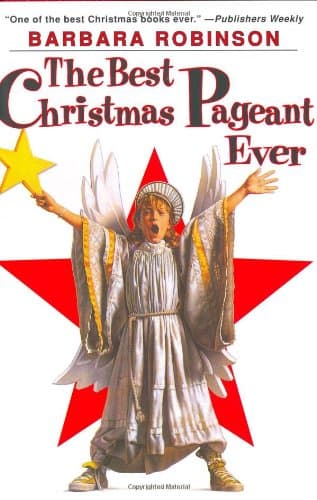
Opening night draws a full house eager to watch the train wreck, according to the Chapter 7 Summary. Instead, something real happens. Joseph and Mary look exhausted and fiercely protective, as if their baby’s safety is the only thing holding them upright. Gladys doesn’t whisper “Fear not”; she bellows good news like an alarm that actually wakes people. The Wise Men arrive not with glitter but with a ham from their charity basket—the best thing they own. Watching Imogene quietly cry during the final carol, the narrator understands: the Herdmans have seen the story’s stakes clearly. In their hands, the nativity stops being a pageant and becomes a lived moment of need, refuge, and fierce love.
Coda: What Changes Sticks
Declared “the best ever,” the pageant alters the town’s memory of Christmas. For the narrator, Mary will always look a little like Imogene—untidy, tired, and brave—and the Wise Men will always be carrying a ham. The Herdmans, by refusing to pretend, reveal the truth everyone else had rehearsed past feeling.
Central Characters
The book’s comic spark and moral weight come from the collision between the untamable Herdmans and the tidy church world that wants Christmas to stay nice.
-
The Herdmans
- Six siblings who arrive like a thunderclap and end up recentering the story. They begin as local legends of chaos—fighters, thieves, fire-starters—but their blunt curiosity and fierce protectiveness make the nativity feel freshly dangerous and tender. Their journey is a messy, moving Transformation from neighborhood menace to accidental truth-tellers.
-
The Narrator
- Wry, observant, and honest about her own biases. She starts by parroting the town’s judgments but learns to see what the Herdmans see: that the Christmas story is about real people in hard circumstances, not porcelain figurines.
-
Mother
- A reluctant director who becomes the conscience of the production. She insists on fairness, steadies a panicking congregation, and demonstrates that hospitality isn’t a slogan but a practice—especially when it’s inconvenient.
-
Charlie
- The narrator’s brother, whose offhand lie brings the Herdmans into church. His kid logic and sibling banter add humor, while his role in the fiasco shows how change often begins with small, unintended acts.
-
Alice Wendleken
- The poster child for good behavior who prizes order over empathy. Unmoved by the Herdmans’ sincerity, she represents the town’s blind spot: a holiness that prefers neatness to compassion.
For expanded profiles and relationships, see the Character Overview.
Major Themes
-
Perspective and Understanding The Herdmans’ ignorance isn’t a flaw—it’s a gift. With no script to protect them, they ask obvious, human questions that expose how routine has dulled everyone else’s wonder. Their fresh eyes reanimate the nativity as a story of risk, margin, and mercy.
-
Challenging Preconceptions The town’s reputation-based morality collapses when the “worst kids” become the truest storytellers. By the end, it’s clear that goodness isn’t about polish; it’s about a heart capable of recognizing need and responding with care.
-
The True Meaning of Christmas Away from tinsel and sentiment, the book centers a family with no room, a dangerous ruler, and a baby who needs protecting. The Herdmans’ raw gifts and urgent angel turn an ornamented tale into a testimony about shelter, courage, and unearned grace.
-
Inclusion and Acceptance A church that preaches welcome resists welcoming the people who need it most. Mother’s insistence on making room for the Herdmans converts creed into practice, showing that real inclusion is disruptive, particular, and costly—and therefore meaningful.
Explore deeper connections among these ideas on the Theme Overview.
Literary Significance
Published in 1972, Barbara Robinson’s novella has become a perennial holiday classic because it makes the familiar feel new without preaching. Its comedic mayhem clears space for moments of piercing honesty, turning a school-pageant plot into a modern parable about faith, community, and empathy. The story’s legacy includes countless stage productions and annual rereadings in classrooms and living rooms, where its blend of irreverence and reverence continues to disarm audiences. Most of all, it offers a craft lesson: tell the old story straight, let imperfect people inhabit it fully, and it will surprise you again. For memorable lines and key moments, visit the Quotes page.