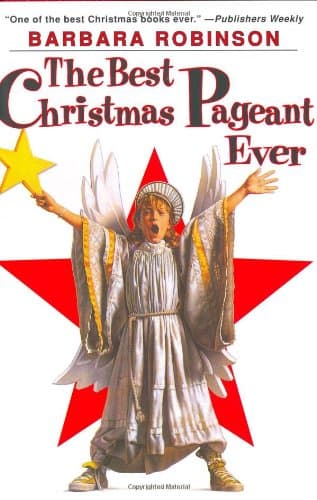
Mother
Quick Facts
- Role: Narrator’s mother; substitute-turned-director of the church pageant
- First appearance: Takes over after Mrs. Armstrong’s accident in Chapter 1-2 Summary
- Family: Mother of the Narrator and Charlie; married to “Father”
- Core conflicts: Managing the Herdmans, fending off Mrs. Armstrong’s micromanagement, calming a judgmental congregation
- Defining strength: Turning chaos into insight—and tradition into living meaning
Who They Are
Barbara Robinson never describes Mother’s appearance; she’s built through choices, tone, and steady action. At first, she’s the harried volunteer stuck with a thankless job. But once she realizes the Herdmans can’t fake their way through a story they’ve never heard, she refuses to fake it either. Mother becomes the adult who takes the Christmas story seriously enough to let it be risky, messy, and real.
Personality & Traits
Mother blends brisk practicality with an expanding empathy; her exasperation often hides a sharper moral courage. She keeps rehearsals moving, fields complaints, and—crucially—listens. As she teaches the story to the Herdmans, she relearns it herself.
- Dutiful and responsible: She accepts the directorship when no one else will, organizes rehearsals, and sees the production through despite mounting chaos.
- Pragmatic: When Charlie admits he likes Sunday school because it’s “Herdman-free,” she tells Father the reason may not be noble, but it’s “practical”—the same levelheadedness she applies to teaching the Nativity from scratch.
- Patient yet easily exasperated: She calmly answers the Herdmans’ blunt questions (“What kind of cheap hotel is this?”) yet bristles at Mrs. Armstrong’s endless criticisms and the community’s gossip.
- Determined and resilient: Mrs. Armstrong’s patronizing “I’ll take the blame” speech flips a switch; Mother resolves to make the best pageant—with the Herdmans—out of sheer conviction.
- Open-minded and perceptive: She recognizes the Herdmans’ raw, literal reading of the Nativity exposes emotions tradition has sanded down—fear, danger, and ordinary people doing extraordinary kindness.
Character Journey
Mother’s arc is a classic Transformation: from reluctant stand-in to quietly radical director. At first she plans to replicate the usual pageant and survive the season. The Herdmans force her to abandon autopilot. Fielding their ferocious questions, Mother defends their right to participate and discovers how shockingly new the Nativity sounds to the uninitiated. In doing so, she gains Perspective and Understanding—not just about the Herdmans, but about the Holy Family’s vulnerability and the story’s risk, danger, and grace.
Key Relationships
- The Herdmans: Mother is the first authority figure to meet them with patience rather than punishment. By answering their questions instead of silencing them, she invites their investment—and gets back a fiercer, truer performance than any polished tradition could produce.
- Mrs. Armstrong: As a disembodied voice of tradition on the telephone, Mrs. Armstrong becomes Mother’s foil. Her micromanaging and condescension crystallize Mother’s resolve to reject empty perfection and make meaning instead.
- Father: He’s comic relief and a sounding board, but also a quiet ally. Their kitchen-table exchanges chart Mother’s shift from endurance to conviction, culminating in his stunned admiration during the final performance.
- The Community: Against church members like Alice Wendleken’s mother, Mother acts as a buffer and advocate, insisting on dignity for every child. In doing so, she embodies the story’s theme of Inclusion and Acceptance, even when the congregation prefers comfort over charity.
Defining Moments
Mother’s leadership is forged in resistance and care; each crisis clarifies what she’s willing to defend.
- Taking the job: When Mrs. Armstrong is injured in Chapter 1-2 Summary, Mother ends up “stuck” with the pageant—an ordinary obligation that becomes her crucible.
- Casting the Herdmans: At auditions in Chapter 3-4 Summary, she honors the Herdmans’ demand for lead parts. It’s a procedural decision that becomes a moral stand: access before respectability.
- The turning vow: After Mrs. Armstrong “accepts the blame,” Mother declares she’ll make the best pageant ever—with the Herdmans. This reframes the project from damage control to intentional storytelling.
- Fire department fiasco: When a chaotic rehearsal brings the fire department and the Reverend hints at canceling, Mother refuses. Her defiance shows that inclusion isn’t cute—it’s costly, and she’ll pay the cost.
- The final performance: In Chapter 7 Summary, Mother watches the messy, moving show cohere; she alone immediately grasps why Imogene Herdman weeps—because the story has finally reached its audience: the children performing it.
Themes & Symbolism
Mother becomes the bridge between ritual and reality. By trusting messy authenticity over polished habit, she models Challenging Preconceptions and discovers The True Meaning of Christmas: compassion that acts, protects, and dignifies.
Essential Quotes
"I just mean that Helen Armstrong is not the only woman alive who can run a Christmas pageant. Up till now I’d made up my mind just to do the best I could under the circumstances, but now— I’m going to make this the very best Christmas pageant anybody ever saw, and I’m going to do it with Herdmans, too."
Analysis: Mother shifts from coping to creating. The repetition of “best” isn’t vanity; it signals a moral claim—that excellence includes the excluded. “With Herdmans, too” is both a promise and a dare to the town’s prejudices.
"Well, now, after all," Mother explained, "nobody knew the baby was going to turn out to be Jesus."
Analysis: Her brisk pragmatism reframes the Nativity as a story about ordinary people responding without certainty. Mother’s theology is practical and humane, a perfect bridge for the Herdmans’ literal-minded questions.
"Certainly not!" Mother said. By that time she was mad, too. "Why, it’s going to be the best Christmas pageant we’ve ever had!"
Analysis: Anger becomes fuel for courage. Her refusal to cancel asserts that orderliness isn’t the same as goodness—and that a “best” pageant is measured by truth, not polish.
"It’s the ham," she said. "They wouldn’t take it back. They wouldn’t take any candy either, or any of the little Bibles. But Imogene did ask me for a set of the Bible-story pictures, and she took out the Mary picture and said it was exactly right, whatever that means."
Analysis: Mother notices the smallest signs of transformation. The Herdmans’ refusal of charity but acceptance of an image of Mary shows a shift from taking to seeing; Mother’s wry “whatever that means” masks a dawning recognition that the pageant has reached them where lectures could not.