Opening
The pageant night begins in chaos and ends in revelation. As the town braces for disaster, the Herdmans bring raw honesty to the Nativity, stripping away polish and forcing everyone—especially the narrator—to see the Christmas story anew.
What Happens
Anxious energy fills the house as Mother forgets supper, certain the performance will implode. At church, baby angels cry and shepherds stumble, then the opening carols give way to an awkward pause—Mary and Joseph are missing. Alice Wendleken whispers that the Herdmans have bailed, but Ralph Herdman and Imogene Herdman finally enter, hesitant and disoriented, “like refugees.” The narrator realizes, with a jolt of perspective and understanding, that this is exactly how the real Holy Family must have looked: untidy, out of place, and unsure. When Imogene thumps the baby doll and burps it, Alice is scandalized—but the narrator sees practical love, the kind a real mother would give a fussy baby.
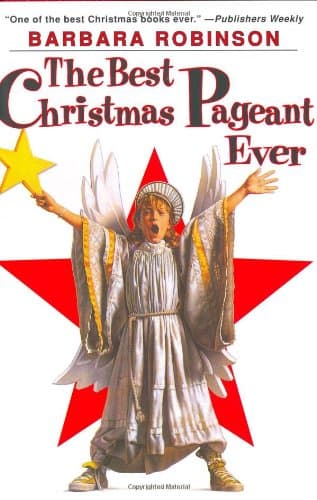
The Herdmans’ choices keep surprising everyone. The shepherds are loud and jittery, and Gladys Herdman, as the Angel of the Lord, explodes down the aisle with, “Hey! Unto you a child is born!” The shepherds tremble—mostly at Gladys—but the moment lands as genuine awe. Then the Wise Men arrive. Leroy Herdman and his brothers bring a ham instead of gold, frankincense, and myrrh—a ham the narrator recognizes from the Herdmans’ own charity basket. Their gift, costly to them, ends up challenging the town's preconceptions about who the Herdmans are. Instead of exiting on cue, the Wise Men sit to rest, which feels truer than the scripted version.
During “Silent Night,” the narrator glances at Imogene and sees her crying, candlelight glistening on her face. This is the Herdman twist everyone expects—only it isn’t mischief; it’s grief and wonder. Afterward, the congregation calls it the best pageant ever without knowing why. The narrator knows: the Herdmans have revealed The True Meaning of Christmas—a frightened family, a newborn’s miracle, and a costly, selfless gift—and their Transformation transforms the narrator, too. Post-pageant, they skip the treats; Imogene quietly slips a Bible picture of Mary into her coat, keeping the mother she has come to understand.
Character Development
In this final performance, façades fall. The Herdmans’ rough edges become strengths, and the narrator learns to look past appearances to the heart of the story.
- Imogene Herdman: Embodies Mary as bewildered, fierce, and tender. Her tears reveal real connection to the child and the danger surrounding him.
- The Narrator: Moves from dread to insight, reading the Herdmans’ choices as truer to life and faith than tradition.
- The Herdman Brothers: By giving away their ham, they shift from takers to givers, proving they can choose sacrifice.
- Gladys Herdman: Channels her brashness into a thunderous angelic announcement that makes the news feel urgent and joyful.
- Alice Wendleken: Remains scandalized and unchanged, a foil to the narrator’s growth.
Themes & Symbols
The chapter crystallizes The True Meaning of Christmas: not prettiness, but poverty, fear, and radical hope. By playing the story as if it’s happening to them, the Herdmans refuse sentimentality and make the Nativity feel both dangerous and alive. Their Transformation is complete, yet it is the congregation’s conversion of outlook that matters most.
The narrator’s evolving view underscores perspective and understanding. Seeing Mary and Joseph as refugees, accepting the practicality of burping a baby, and letting the Wise Men rest redraw the familiar story with human truth. The ham becomes the chapter’s central symbol: unlike exotic, symbolic gifts, it is immediate and costly, a sacrifice the givers will feel. The pageant’s power also flows from inclusion and acceptance; welcoming the Herdmans doesn’t ruin tradition—it redeems it.
Key Quotes
“Hey! Unto you a child is born!”
- Gladys’s shout turns scripture into news you can’t ignore. It captures the Herdmans’ gift: replacing reverent distance with electric urgency, so the shepherds (and the audience) feel the shock of good news.
But as far as I’m concerned, Mary is always going to look a lot like Imogene Herdman—sort of nervous and bewildered, but ready to clobber anyone who laid a hand on her baby. And the Wise Men are always going to be Leroy and his brothers, bearing ham.
- The narrator’s final image redefines the Nativity through the Herdmans’ lens. Mary becomes protective and poor; the Magi become givers who pay a price—images that will permanently shape the narrator’s faith and memory.
They don’t barge in but hesitate, looking “like refugees.”
- This moment reframes the Holy Family as displaced and vulnerable. By naming what the tableau usually hides, the story insists on empathy for outsiders and attention to the human cost beneath tradition.
Why This Matters and Section Significance
This chapter delivers the novel’s climax and answer: the Herdmans don’t wreck the pageant—they redeem it. Their unruly authenticity exposes what ritual often conceals: fear, risk, wonder, and costly love. As the community calls it the best pageant ever without knowing why, the narrator understands that inclusion, empathy, and fresh eyes can renew tradition and deepen belief. The result isn’t a perfect performance—it’s a truer story.